
BY K.P. SANDER
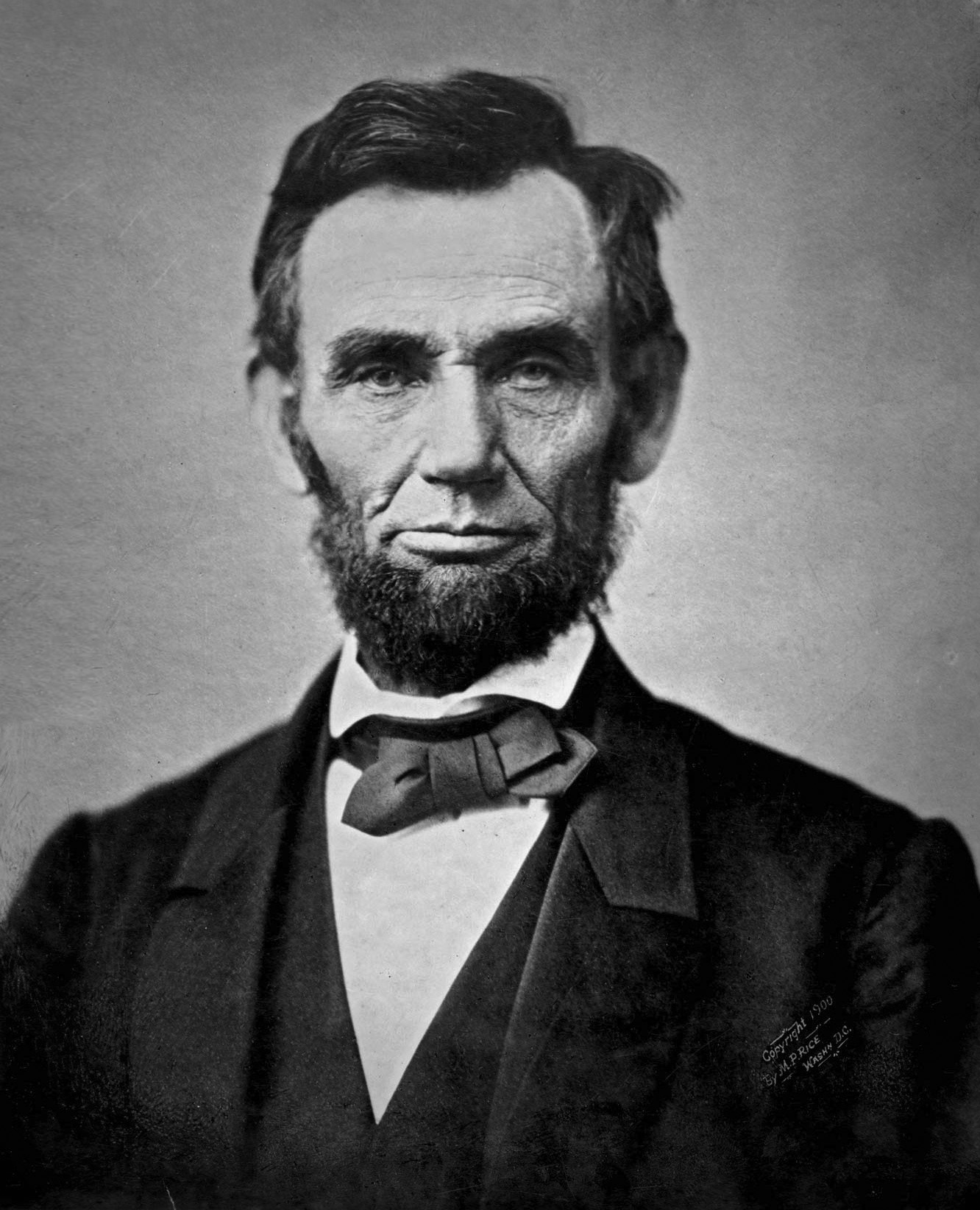
Abraham Lincoln
On Thurs., Nov. 19, 1863, President Abraham Lincoln delivered what is perhaps one of the most famous speeches in American history. Lincoln spoke at the dedication of the Soldiers’ National Cemetery in Gettysburg, Pennsylvania, just months after the Union army defeated the Confederacy on the fields in that same town in what resulted in the largest number of casualties in the entire Civil War.
In a mere two minutes, Lincoln articulated on the struggles of the war and the great sacrifices that had been made, but he also reminded his audience of the principles of human equality that were handed down by the Declaration of Independence 87 years prior at the start of the American Revolution.
Generations of school children have learned about – if not memorized – the Gettysburg Address, and it remains one of the greatest congregations of words that the ever-profound President Lincoln shared with the world. It bears rereading again and again.
“Four score and seven years ago our fathers brought forth on this continent a new nation, conceived in liberty, and dedicated to the proposition that all men are created equal.
“Now we are engaged in a great civil war, testing whether that nation, or any nation so conceived and so dedicated, can long endure. We are met on a great battlefield of that war. We have come to dedicate a portion of that field, as a final resting place for those who here gave their lives that that nation might live. It is altogether fitting and proper that we should do this.
“But, in a larger sense, we cannot dedicate, we cannot consecrate, we cannot hallow this ground. The brave men, living and dead, who struggled here, have consecrated it, far above our poor power to add or detract. The world will little note, nor long remember what we say here, but it can never forget what they did here. It is for us the living, rather, to be dedicated here to the unfinished work which they who fought here have thus far so nobly advanced. It is rather for us to be here dedicated to the great task remaining before us – that from these honored dead we take increased devotion to that cause for which they gave the last full measure of devotion – that we here highly resolve that these dead shall not have died in vain – that this nation, under God, shall have a new birth of freedom – and that government of the people, by the people, for the people, shall not perish from the earth.”
 ABC PR -Community News, Public Relations and Advertising Services