
Photo courtesy: Google Images
What’s the best produce to buy?
Courtesy of Food Network
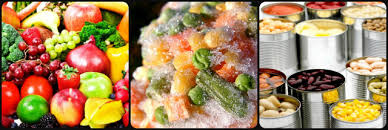
Spring is finally here! And with it, fresh, locally grown produce is starting to return to farmers markets that have peddled root vegetables all winter. But how do frozen and canned rank? Are they always inferior to the fresh stuff? Let’s break it down.
Fresh, uncooked produce tends to be highest in the nutrients that break down or get leached out with heat (especially water-soluble vitamins, like vitamin C). Many nutrients in produce are also highest at the moment the fruits or vegetables are picked and then start to degrade with time — so if it’s fresh but has been shipped a long distance and takes a week or more to get to the supermarket, it’s probably not bursting with nutrients. The same is true if you buy a picked-that-morning lettuce from your farmers market and then let it sit in your fridge for several days.
Canned produce is cooked as part of the canning process, so it’s often lower in water-soluble vitamins. On the other hand, some vitamins get intensified by cooking — canned peas, for instance, have three times the vitamin A of fresh, uncooked peas. Most canned vegetables have salt added, although you can sometimes find “no salt added” varieties (typically for an up charge). Canned fruit can be canned in fruit juice or in syrup — syrup adds a lot of extra sugar that’s not good for you.
Frozen produce is frozen soon after picking, so a lot of the nutrients are locked in. And, since it stays frozen until you’re ready to use it, it’s often a better bet nutritionally than those fresh peas you bought last week and meant to use but didn’t. However, the texture is definitely compromised, and so it works better in some dishes than in others — you can’t use frozen spinach in a spinach salad, for instance.
Your diet should include a variety of fruits and vegetables. Explore your supermarket and see what new foods await you!
 ABC PR -Community News, Public Relations and Advertising Services