Tag Archives: Healthy Living

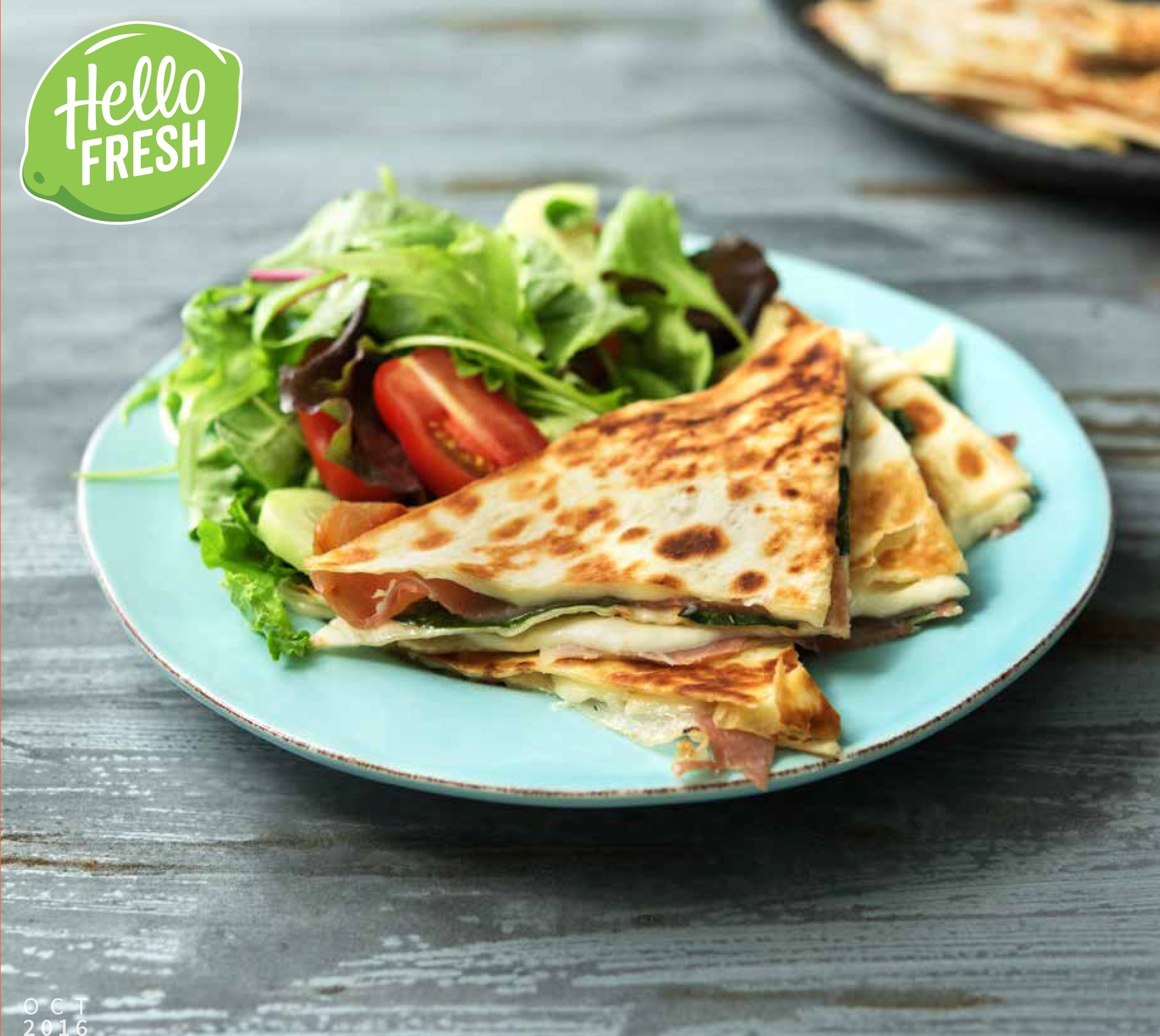
Creamy Prosciutto Panini

With Fresh Mozzarella Cheese, Basil, and Green Salad

By Hello Fresh18

Let’s face it: sometimes, you just want a warm and gooey grilled cheese for dinner. We totally get it, which is why our chefs created this hearty panini with all the cheesy goodness you love plus Italian ham, herbs, and a side of greens for balance.

Cooking Time: 30 min.

Servings: 2

Nutrition: Calories: 528 cal, Fat: 25g, Sat. Fat: 11 g, Protein: 28g, Carbs: 51 g, Sugar: 6 g, Sodium: 1146 mg, Fiber: 4 g

Ingredients:

  • Basil- ½ oz.
  • Cucumber- 1
  • Mozzarella Cheese- 4 oz.
  • Flatbreads- 2
  • Prosciutto- 2 oz.
  • Grape Tomatoes- 4 oz.
  • Spring Mix- 4 oz.
  • Balsamic Vinegar- 1 T
  • Olive Oil- 2 t

Prepraration:

  1. Prep: Wash and dry all produce. Preheat oven to 200 degrees. Pick basil leaves from stems. Discard stems. Peel and halve cucumber lengthwise, then thinly slice into half-moons. Thinly slice mozzarella.
  2. Assemble the panini: Pile one flatbread with mozzarella, prosciutto, and basil leaves. Top with other flatbread. Cut stack in half widthwise.
  3. Cook the panini: Heat a drizzle of olive oil in a large pan over medium heat. Add panini. Cook until golden brown and cheese has melted, 3-4 minutes per side. Transfer to a baking sheet, and place in oven to keep warm. Repeat with remaining panini, and add more olive oil if necessary.
  4. Toss the salad: In a large bowl, toss tomatoes (halve the ones that are too large), spring mix, and cucumbers with a drizzle of balsamic vinegar and olive oil. Season to taste with salt and pepper.
  5. Serve: Cut the creamy prosciutto panini into triangles, and serve with green salad on the side. Enjoy!

Ask Clark’s

"ask clarks" headerI was talking with my neighbor the other day, and he was telling me that he takes B-vitamins to increase his energy level. What are B-vitamins, and can they be used to increase energy? -A question from Alex of Mentone

By Clark’s Nutrition    

B-vitamins have many different effects on the human body, with one of these being an increase in energy levels. Energy is obtained from foods that have macronutrients which are proteins, carbohydrates and fats. B-vitamins have active cell enzymes that help manufacture high energy compounds like adenosine tri-phosphate (also known as ATP) from these macronutrients.  So ultimately, B-vitamins help with energy either inadvertently or directly. The B-vitamins that work in the ATP energy building area are vitamins B1 (thiamine), B2 (riboflavin), B3 (niacin), B5 (pantothenic acid) B6 (pyridoxine hcl) and biotin. Additionally the building of red blood cells is dependent on vitamins B12 and folic acid with additional help from B6. Red blood cells are rich in hemoglobin which carries oxygen to cells in the body and to the brain. Oxygen is essential for humans to exist; therefore red blood cell production is a very important component to maintaining a healthy life. This process gives us another possible reason why some might get energy from B-vitamins.

Food sources of B-vitamins include the following groups: vegetables (folic acid), protein foods (meat, sea foods, nuts and seeds, and legumes), soy foods (b1, b2, b3, b6, b12, and folic acid), whole grains (folate, b1, b2, and b3), fruits (folic acid), milk products (b12, b2). Although we grouped these together for saving space, consider looking at specific foods for guaranteed availability and possible percent of daily value also known as the RDA.

Each one of the B-vitamins has a deficiency symptom as well. Deficiencies in the United States are typically less common than in countries that don’t have food(s) that are fortified which is a common practice in the U.S. As an example of one of these deficiencies, a b-12/ folic acid deficiency is typically seen in certain types of anemia (Macrocytic). Current and recurring research has  also suggested individuals at the early onset stages of Alzheimer’s disease are typically low in blood levels of b12, indicating a sub-clinical effect on B-vitamin deficiency and a possible link to development to Alzheimer’s disease. For this and other reasons, many individuals choose to take a multivitamin to prevent possible deficiency or sub clinical deficiency. Currently, serum folic and vitamin b12 levels are not diagnostically reliable tests for screening presymptomatic Alzheimer disease. However, the results may statistically be significant if increases are seen in sample size populations. Additionally getting adequate amount of B-vitamins are important for nerve, energy and mental cognition. A recent study done in Geneva Switzerland by Professor Scholey with the Center for Psychopharmacology on supplemental B-vitamins and the use of multivitamins suggested improved mental, cognitive, working memory, attention and improved mood.

So maybe what your neighbor is talking about is just feeling better. Remember that all individuals are not going to respond the same way when using supplementation.  Always check with a qualified health professional if you have any questions about your health.

Have a health related question?

Send us your question, your first and last name, and the city you live in to: askclarks@clarksnutrition.com

Due to the number of responses, we will only be able to answer published questions.

References.

  1. Whitney, Understanding Normal & Clinical Nutrition, Belomnt CA, 2012, pg 38-42.
  2. Jane Digdon, Ph.D. An Evidence –Based Approach to Vitamins and Minerals Thieme New York, NY.2003. PG. 56-65.
  3. http://www.swinburne.edu.au/news/latest-news/2016/09/swinburne-to-present-at-vitafoods-asia-conference.php
  4. Recent Findings inAlzheimer Disease and Nutrition Focusing on Epigenetics.Athanasopoulos D, Karagiannis G, Tsolaki M.Adv Nutr. 2016 Sep;7(5):917-27. doi: 10.3945/an.116.012229. Review.https://www.ncbi.nlm.nih.gov/pubmed/27633107
  5. A Turkish 3-center study evaluation of serum folic acid and vitamin B12 levels inAlzheimer disease.Ulusu NN, Yilmaz G, Erbayraktar Z, Evlice AT, Aras S, Yener G, Avci A. Turk J Med Sci. 2015;45(5):1159-66. https://www.ncbi.nlm.nih.gov/pubmed/26738362
  6. Buccal Cytome Biomarkers and Their Association with Plasma Folate, Vitamin B12 and Homocysteine inAlzheimer’s Disease. Thomas P, Fenech M. J Nutrigenet Nutrigenomics. 2015;8(2):57-69. doi: 10.1159/000435784. https://www.ncbi.nlm.nih.gov/pubmed/26228832


Pan-Roasted Chicken

recipe-cropped-colorWith Dijon Mushroom Sauce and Israeli Couscous

By Hello Fresh

Chicken gets a major flavor upgrade when Dijon mustard is involved. In fact, it’s one of our secret weapons in the kitchen. Hailing from Dijon, France, this grayish-yellow condiment pairs impeccably with garlic and lemon to lend a distinct and rich flavor to the sauce.

Cooking Time: 30 min.

Servings: 2

Nutrition: Calories: 500 cal, Fat: 21g, Sat. Fat: 6 g, Protein: 46g, Carbs: 36 g, Sugar: 4 g, Sodium: 359 mg, Fiber: 6 g

Ingredients:

  • Button Mushrooms- 4oz.
  • Garlic- 1 Clove
  • Chicken Breasts- 12 oz.
  • Whole Wheat Israeli Couscous- ½ Cup
  • Chicken Stock Concentrate- 1
  • Sour Cream- 4 TBSP
  • Dijon Mustard- 1 tsp
  • Lemon- 1
  • Arugula- 2 oz.
  • Olive Oil- 5 tsp.

Preparation:

  1. Preheat and prep: Wash and dry all produce. Preheat oven to 350 degrees. Bring a medium pot of salted water to a boil. Thinly slice mushrooms and garlic.
  2. Cook the chicken: Heat a large drizzle of olive oil in a large pan over medium heat. Season chicken on all sides with salt and pepper. Cook until browned but not yet cooked through, 2-3 minutes per side. Place on a baking sheet, and bake until juices run clear when pierced with a knife, 10-11 minutes. Let rest 5 minutes.
  3. Cook the couscous: Add Israeli couscous to boiling water, and cook until al dente, 8-9 minutes. Drain (just like pasta).
  4. Cook the mushrooms: Meanwhile, heat a drizzle of olive oil in same pan over medium heat. Add garlic and cook until fragrant, about 30 seconds. Add mushrooms and toss until browned, 3-4 minutes. Season with salt and pepper.
  5. Make the sauce: Add ½ cup water and stock concentrate. Scrape up any browned bits from pan. Simmer on low until reduced by half, 2-3 minutes. Remove pan from heat, and stir in sour cream and 1 tsp Dijon mustard. Season to taste with salt and pepper.

Clark’s Nutrition Health Tip

Clark’s Tips Clarks-Header-WEB

The Meta-Diet!

By Clark’s Nutrition

The search to find a “one-size-fits-all” approach to nutrition and health has led to the proliferation of diets and eating philosophies. Some diets exclude certain combined macronutrients at certain times of the day, while others originate from certain regions or exotic locales and tout themselves as nutritional panaceas. It would be impossible (and inarguably unhealthy) to try them all, which leaves us with the dieters dilemma; how to find a diet that is right for us and will not only increase our quality of life, but the quantity as well. If history is our guide, then we know the best hope for a quick fix is slow science.

To this end, researchers from Stanford University conducted the “A to Z Weight-Loss Study”, which compared diets ranging from the Atkins (A) Diet (along with the Ornish and LEARN diet), to The Zone (Z) Diet. The researchers assigned 311 nondiabetic women to one of the four diets, with weight loss at 12 months as the primary outcome. It must be noted that one caveat to all diet-related research is the issue of compliance, or lack thereof, as the number one reason why diets tend to fail over time. People resort to their old eating style and this variance, inevitably, confounds the data. However, in this study the participants adhered very well to their diets and shockingly, for some, the Atkins Diet outperformed the other three in weight loss (primary outcome) and had mildly significant advantages for lowered blood pressure and blood fats. Does this mean the Atkins Diet is the right one for everybody? Certainly not, yet the methodology used in this study does demonstrate that if weight loss, lowered blood pressure and triglycerides are the goal, this diet could serve those outcomes moderately well.

Where does that leave us in our quest for a sustainable and personalized diet? Is a convergence of agreement our best hope, coupled with ongoing modification and a judicious dose of trial-and-error? Yes, every healthy and sustainable diet (married to exercise) have these foods in common, fruits, fatty fruits, vegetables, legumes, nuts, and seeds with different (well-tolerated) sources of meats, eggs, and dairy added in if desired. It should be noted that dairy, animal proteins, and grains are one area where people make decisions for more reasons than weight loss and this should be respected and explored. One admonition for exercise needs elucidating, while it is a vital component in the quest for a prolonged health span, it cannot overcome the phenomenon of non-homeostatic eating (eating beyond satiety signals and bodily requirements). This may have led Dr.s Phinney and Volek to declare in their book, “The Art and Science of Low Carbohydrate Living”, ‘exercise is great for wellbeing but poor for weight loss’. This concept is aptly embodied in the adage, “You can’t outrun a bad diet”.

Ultimately, recommending a diet is easy to do but ensuring the diet is the correct approach requires much more finesse. Without the proper blood work (medical involvement), family history (repeated interviews), assessment of health literacy (objective tests), ability to shop, prepare, serve, preserve, and store foods (skills mastery), and a good dose of behavior modification techniques, then the recommendation is incorrectly administered. Speak to a nutritional consultant today and start your informed journey to maximizing your health span, and beyond.

C Doussett MPH, RDN

 

Yogurt-Marinated Chicken

With Rice Pilaf, Roasted Zucchini, and Cilantrorecipe-cropped-color

By Hello Fresh

On the menu for tonight is the furthest thing from a boring chicken dinner. Our chefs combined berbere (an Ethiopian spice blend with garlic, red pepper, cardamom, coriander, and fenugreek) with garlic and yogurt for a tangy marinade that becomes ever-so-slightly charred under the broiler. What are you waiting for? Get cooking!

Cooking Time: 35 min.

Servings: 2

Nutrition: Calories: 590 cal, Fat: 11g, Sat. Fat: 2 g, Protein: 54g, Carbs: 74 g, Sugar: 10 g, Sodium: 355 mg, Fiber: 5 g

Ingredients:

  • Yellow Onion- 1
  • Garlic- 2 Cloves
  • Zucchini- 1
  • Chicken Breasts- 12 oz.
  • Berbere Season- 1 tsp.
  • Greek Yogurt- 5.3 oz.
  • Basmati Rice- ¾ Cup
  • Chicken Stock Concentrate- 1
  • Lemon- 1
  • Cilantro- ¼ oz.
  • Olive Oil- 1TBSP

Preparation:

  1. Preheat and prep: Wash and dry all produce. Preheat broiler to high or oven to 500 degrees. Halve, peel, and dice onion. Mince garlic. Cut zucchini into ½-inch cubes. Combine chicken, berbere, half the yogurt, and a large pinch of salt and pepper in a medium bowl. Turn to thoroughly coat in marinade.


  1. Make the rice pilaf: Heat a drizzle of olive oil in a medium pot over medium-high heat. Add onions and garlic, and toss until softened, 3-4 minutes. Add rice and stir. Add 1½ cups water, a large pinch of salt, and stock concentrate. Bring to a boil, cover, then reduce to a low simmer until tender, about 15 minutes.


  1. Broil the chicken and toss the zucchini: Place chicken on one half of a lightly oiled baking sheet. Broil until slightly charred, 3-5 minutes. Meanwhile, toss zucchini in a medium bowl with a drizzle of olive oil and a pinch of salt and pepper.


  1. Bake the chicken and zucchini: Remove baking sheet from oven, flip chicken, and reduce heat to 425 degrees. Spread zucchini on other half of baking sheet. Bake until chicken is no longer pink inside and zucchini is tender, about 12 minutes.


  1. Make the lemony yogurt: Meanwhile, zest and halve lemon. Stir zest and a squeeze of juice into a small bowl with remaining yogurt. Thin with a Tablespoon or so of water. Season with salt and pepper.


  1. Finish the pilaf and serve: Coarsely chop cilantro, and stir half into rice pilaf. Serve zucchini and chicken on a bed of rice pilaf. Top with a dollop of lemony yogurt and a sprinkle of the remaining cilantro. Enjoy!

Ask Clark’s

I have been hearing a lot about essential oils lately. What are "ask clarks" headeressential oils and what are they commonly used for? Also, can essential oils be used internally?

A question from Jeremy of Palm Lake Arrowhead

By Clark’s Nutrition

Essential oils are very popular right now. Although the current rise in popularity has made a nice craze for the essential oil industry, a lot of these oils have been available for many years. The most common essential oils being used today are lavender, peppermint, eucalyptus, frankincense and many different kinds of blends. ­­­­­­What is an essential oil? Essential oils are the essence of plants. They are typically derived from plants with a distillation process that uses steam or a chemical extraction. This process removes the oils away from water and concentrates only the oils in one area during the distillation process. Essential oils are considered to be of higher quality when low temperature steam distillation methods are used vs. a high heat steam distillation process. Some essential oils are only available from chemical extraction processes. Further distillation of the extraction leaves behind minimal residues and a finished product of essential oils.

Remember when buying an essential oil for therapeutic reasons one should look for higher quality oils and also have some knowledge of the oils being selected. For instance lavender, one of the most popular oils is grown in different areas of the world. French lavender is considered to be one of the best for aromatherapy for a few reasons including relaxation, muscle calming and pain relief. French lavender that is grown in altitudes of 1,500-4,000 feet have more active compounds called linalyl acetate and linalool which have the relaxing qualities attributed to the aromatherapy effects that many people are looking for. Lavender grown in lower altitudes which is also known as Spanish lavender and in drier desert areas has higher amounts of camphor which is also found in French lavender but in less quantity. This Spanish lavender is nice for use in massage or pain relief but have less of the relaxing qualities. And finally lavender clones are grown in France as well but these oils are only used commercially for the perfume industry, some aromatherapy companies and food processers.  So remember to ask questions about the essential oil quality, manufacturing standards to make sure you are getting the oil you want and are looking for.

Essential oil effects are seen when inhalation or direct application to the body is done. Some essential oils can also be ingested, but often times they must be diluted. A common example of this is when ingesting peppermint oil for use as a mouth freshener. Many times dilution of an essential oil is recommended. So please pay attention to any details on the instruction of the use of the oil of choice. Essential oils have a direct effect on the olfactory or smell centers which can inadvertently affecting the nervous system and organ system of the body in many circumstances. When using an essential oil for the first time and especially with children please use caution.

Have a health related question?

Send us your question, your first and last name, and the city you live in to: askclarks@clarksnutrition.com

Due to the number of responses, we will only be able to answer published questions.

Italian Sausage and Baby Broccoli Pasta

with Oregano Gremolata and Parmesan Cheese

By HelloFresh

Gremolata may sound fancy, but it’s really just a simple combination of herbs, garlic, and lemon zest. Our chefs added almonds into the mix and toasted it all for a deep flavor and slight crunch. We may be biased, but we think it pairs beautifully with the old-school Italian combo of sausage, baby broccoli, and pasta.

Cooking Time: 30 min.

Servings: 2

Nutrition: Calories: 767 cal, Fat: 31g, Sat. Fat: 9 g, Protein: 45g, Carbs: 85 g, Sugar: 6 g, Sodium: 936 mg, Fiber: 11 g

Ingredients:

  • Sweet Italian Sausage- 9 oz.
  • Gemelli Pasta- 6 oz.
  • Baby Broccoli- 6 oz.
  • Parmesan Cheese- ¼ Cup
  • Garlic- 2 Cloves
  • Almonds- 1 oz.
  • Oregano- ¼ oz.
  • Lemon- 1
  • Olive Oil- 1 T

Preparation:

  1. Prep: Wash and dry all produce. Preheat the oven to 425 degrees. Bring a large pot of salted water to a boil. Line up the baby broccoli on your cutting board, and cut into 1-inch pieces. Discard the ends. Roughly chop the garlic. Pick the oregano leaves off the stems. Discard the stems.
  2. Cook the sausage: Place the sausage onto a baking sheet. Cook in the oven for about 15 minutes.
  3. Boil the pasta: Add the pasta to the boiling water. Cook 9-11 minutes, until al dente. While the pasta cooks, add the baby broccoli to the same water. Cook 3-4 minutes, until tender. Remove the baby broccoli with a slotted spoon and set aside.
  4. Prep the gremolata: Meanwhile, place the almonds, oregano leaves, and chopped garlic in a pile on your cutting board. Run your knife over the mixture until finely chopped (some larger pieces of nuts can remain). Check on the pasta, drain when ready, then return to the pot.
  5. Cook the gremolata: Heat a large drizzle of olive oil in a large pan over medium-low heat. Add the gremolata mixture. Cook, tossing, for 3-4 minutes, until beginning to turn golden brown. Season generously with salt and pepper. Remove pan from heat. Zest about 1 teaspoon lemon directly in the pan, and stir thoroughly to release the lemon oils.
  6. Toss and serve: Thinly slice the sausage. Halve the lemon. Toss the sausage, baby broccoli, gremolata, half the Parmesan cheese, and a drizzle of olive oil into the pot with the pasta. Reheat over medium heat if necessary. Season generously with salt and pepper. Stir in a squeeze of lemon, to taste. Divide between bowls, serve with the remaining Parmesan cheese, and enjoy!

Smoky Beef and Poblano Chili

With Kidney Beans, Cheddar Cheese, and Sour Cream

By Hello Fresh  recipe-cropped-bw

Take a quick trip to New Mexico by simmering smoky poblanos with ground beef, tomatoes, kidney beans, chili powder, and cumin. With a dollop of sour cream and a sprinkle of cheddar cheese to cool things off, this dish is as creamy as it is hearty.

Cooking Time: 30 min.

Servings: 2

Nutrition: Calories: 637 cal, Fat: 26g, Sat. Fat: 11 g, Protein: 46g, Carbs: 50 g, Sugar: 8 g, Sodium: 1243 mg, Fiber: 17 g

Ingredients:

  • Scallions- 2
  • Garlic- 1 clove
  • Poblano Pepper- 1
  • Kidney Beans-1 box
  • Ground Beef- 8 oz.
  • Chili Powder- 1t
  • Cumin- 1t
  • Beef Stock Concentrate- 1
  • Crushed Tomatoes- 1 Box
  • Cheddar Cheese- ½ Cup
  • Sour Cream- 2T
  • Olive Oil- 1t

Preparation:

  1. Prep: Wash and dry all produce. Thinly slice scallions. Mince garlic. Drain and rinse beans. Core, seed, and dice poblano pepper into ½-inch cubes.
  2. Brown the beef: Heat a drizzle of olive oil in a large pan over medium–high heat. Add ground beef. Break up into pieces, and cook until browned, 4-5 minutes. Season with salt and pepper. Remove from pan and set aside.
  3. Cook the veggies: Add poblano peppers, scallions, and garlic to the same pan. Toss until softened, 4-5 minutes. Add chili powder and cumin. Toss until fragrant, about 30 seconds. Season with salt and pepper.
  4. Simmer the chili: Add stock concentrate, beans, tomatoes, ground beef, and 1 cup water. Bring to a boil, then reduce to a simmer until thickened, about 10 minutes. Season to taste with salt and pepper. TIP: If you have time, simmer longer. The flavor gets better with time!
  5. Serve: Divide the smoky beef and poblano chili between bowls. Top with cheddar cheese and a dollop of sour cream. Enjoy!

Ask Clark’s

Danny from Lake Arrowhead asks Clark’s: "ask clarks" header

What is the difference between organic and conventional produce? And how do I know if my fruits and vegetables are organic, conventional (non-organic) or genetically modified (GMO)?


Organic produce is regulated by the United States Department of Agriculture (USDA) under the 2002 National Organics Program (NOP). This program defines the term ‘organic’ and provides the certification, labeling and growing standards for organic foods. Organic foods are produced without using conventional pesticides and fertilizers. These standards also state that organic foods shall not be processed using synthetic ingredients, sewage, sludge, bioengineering, or ionizing radiation. Before labeling with the USDA organic seal a government-approved certifier inspects the farm where the food is grown to make sure the farmer is following all the rules and guidelines set by the USDA-Organics Program. When this is completed the use of the USDA ORGANIC seal is allowed for use on packaging.

A big concern for non-organic foods is the use of pesticides. The connection for pesticides and the long term health concerns for diseases like cancer have brought much attention to the use and overuse of pesticides. The USDA Pesticide Data Program (PDP) and Environmental Protections Agency (EPA) test foods for pesticide residues. The EPA suggests that 99% of all foods tested meet’s their criteria for safety. Foods are also tested on a random basis as well.

GMO foods are foods that have been genetically modified. Simply put this means an apple’s genes or DNA have been manipulated with another plant or animal DNA, by piecing together strands to make a product with certain outcomes. A great illustration of this is found in Monsanto’s (now owned by Bayer Aspirin Co.) golden rice which has been manipulated to include vitamin A content, this being an advantage for vegetarian individuals. The biggest argument for GMO’s is less pesticide use and greater yield of foods for a growing world population. This argument has been greatly subdued since the New York Academy of Sciences (2016) reported that GMO foods offer no greater yield. Additionally lower pesticide use was prevalent in the beginning but now is comparable to before GMO use according to the New York Academy of Sciences.  GMO grown foods, seeds, or farming practices are not allowed in the NOP.

GMO foods are foods that have been genetically modified. Simply put this means an apple’s genes or DNA have been manipulated with another plant or animals DNA, by piecing together strands to make a product with certain outcomes. A great illustration of this is found in Monsanto’s (now owned by Bayer Aspirin co.) golden rice which has been manipulated to include vitamin A content, this being and advantage for vegetarian individuals. The biggest argument for GMO’s is less pesticide use and greater yield of foods for a growing world. This argument has been greatly subdued since the New York Academy of Sciences (2016) reported that GMO foods offer no greater yield. Additionally lower pesticide use was prevalent in the beginning but now is comparable to before GMO use according to the New York Academy of Sciences.  GMO grown foods, seeds, or farming practices are not allowed in the NOP (National Organic Program)

Finally how will you know if you are getting organic, conventional, or GMO fruits and vegetables when shopping?  For fruits and vegetables a there is a standard coding system in the grocery industry. This standard is based on what is called a Program Look Up (PLU) code (which has been in place since 1990). Although this is a voluntary program, almost all grocery and produce companies use this system. This is denoted on the little sticker that is on individual pieces of fruits or vegetables. Of note, there are a few cool things about this system: These codes can be 4 or 5 digits. Four digits are for conventional and often start with the number 4. Organic codes are 5 digits and start with the number 9, while GMO foods have an 8 prefix number and a 5 digit system as well. There is also one other system that is in place to help in identifying where your produce came from. This system is called Country of Origin Labeling (COOL) which was enacted in the United States around 2004. You will notice that there are stickers or signs on either your produce itself, (this also includes meat, poultry, fish and some nuts etc.) or the price sticker on the grocery shelf. A product that comes from outside of the United States can be organically grown but obviously the USDA NOP would not be able to completely certify farms outside of United States. So when shopping for your fruits and vegetables, please keep in mind all of these factors when making your decisions.

By Starkie Sowers

Edited By Sean Obannon


Have a health related question?

Send us your question, your first and last name, and the city you live in to: askclarks@clarksnutrition.com

Due to the number of responses, we will only be able to answer published questions.


Reference

  1. http://www.fda.gov/ohrms/dockets/dockets/06p0094/06p-0094-cp00001-05-Tab-04-Food-Marketing-Institute-vol1.pdf
  2. https://www.ams.usda.gov/publications/content/can-gmos-be-used-organic-products
  3. https://www.ams.usda.gov/sites/default/files/media/PDP%20factsheet.pdf
  4. http://beforeitsnews.com/alternative/2012/11/know-your-gmo-bar-codes-2500740.html


  1. https://www.ams.usda.gov/sites/default/files/media/Pesticide%20Residue%20Testing_Org%20Produce_2010-11PilotStudy.pdf
  2. Murray, Healing Foods, Atria Books New York, NY. 2005, PG 40-61
  1. UL.BMC Complement Altern Med. 2016 Sep 13;16:358. doi: 10.1186/s12906-016-1343-2. http://www.ncbi.nlm.nih.gov/pubmed/27577177
  2. Pomegranate juice causes a partial improvement through lowering oxidative stress for erectile dysfunction in streptozotocin-diabetic rat.Onal E, Yilmaz D, Kaya E, Bastaskın T, Bayatlı N, Gur S.Int J Impot Res. 2016 Sep 1. doi: 10.1038/ijir.2016.34. [Epub ahead of print] http://www.ncbi.nlm.nih.gov/pubmed/27581707
  3. Memory boosting effect of Citrus limon, Pomegranate and their combinations.Riaz A, Khan RA, Algahtani HA. Pak J Pharm Sci. 2014 Nov;27(6):1837-40 PMID:25362607http://www.ncbi.nlm.nih.gov/pubmed/25362607


Creamy Prosciutto Panini

With Fresh Mozzarella Cheese, Basil, and Green Salad

By Hello Fresh  recipe-cropped-color

Let’s face it: sometimes, you just want a warm and gooey grilled cheese for dinner. We totally get it, which is why our chefs created this hearty panini with all the cheesy goodness you love plus Italian ham, herbs, and a side of greens for balance.

Cooking Time: 30 min.

Servings: 2

Nutrition: Calories: 528 cal, Fat: 25g, Sat. Fat: 11 g, Protein: 28g, Carbs: 51 g, Sugar: 6 g, Sodium: 1146 mg, Fiber: 4 g

Ingredients:

  • Basil- ½ oz.
  • Cucumber- 1
  • Mozzarella Cheese- 4 oz.
  • Flatbreads- 2
  • Prosciutto- 2 oz.
  • Grape Tomatoes- 4 oz.
  • Spring Mix- 4 oz.
  • Balsamic Vinegar- 1 T
  • Olive Oil- 2 t

Prepraration:

  1. Prep: Wash and dry all produce. Preheat oven to 200 degrees. Pick basil leaves from stems. Discard stems. Peel and halve cucumber lengthwise, then thinly slice into half-moons. Thinly slice mozzarella.
  2. Assemble the panini: Pile one flatbread with mozzarella, prosciutto, and basil leaves. Top with other flatbread. Cut stack in half widthwise.
  3. Cook the panini: Heat a drizzle of olive oil in a large pan over medium heat. Add panini. Cook until golden brown and cheese has melted, 3-4 minutes per side. Transfer to a baking sheet, and place in oven to keep warm. Repeat with remaining panini, and add more olive oil if necessary.
  4. Toss the salad: In a large bowl, toss tomatoes (halve the ones that are too large), spring mix, and cucumbers with a drizzle of balsamic vinegar and olive oil. Season to taste with salt and pepper.
  5. Serve: Cut the creamy prosciutto panini into triangles, and serve with green salad on the side. Enjoy!

Ask Clark’s

By Clark’s Nutrition and Natural Foods Market"ask clarks" header

A Letter from Janice from Palm Desert

I want to use essential fatty acids, but where do I start?”

First, I think it is important to understand what essential fatty acids are.

Essential fatty acids are fatty acids that cannot be made by the body and must be obtained from the diet. Essential fats are used by the body to make other substances that control or regulate growth, maintenance and proper function of many physiological processes. Some of the processes essential fatty acids (or EFA’s) help include modulating inflammation, fever, regulating immune responses, and overall cardiovascular health. These manufactured substances are called eicosanoids. These substances are better known as prostaglandins, leukotineines, cytokines and others that regulate inflammatory or anti-inflammatory actions in the body. Eicosanoids are local-acting hormones.  The body makes eicosanoids from fats which include essential fatty acids. The essential fatty acids are called linolenic acid and linoleic acid. Linolenic acids are omega 3 fatty acids while linoleic fatty acids are called omega 6 fatty acids. These are polyunsaturated fats (meaning they are not fully saturated with hydrogen’s, which is one of the chemicals that make up fats). Omega 3 fatty acids and some omega 6 fats seem to have the most prolific effect on reducing the manufacturing of inflammatory substances. Omega 3 fatty acids are also involved in cardiovascular benefits such as reduction in blood triglycerides and blood pressure thus, making omega 3 fats often sought out. The American diet is typically abundant in omega 6 fatty acids, about 10 grams of fats a day, while the diet is typically low and often devoid of omega 3 fatty acids.

Omega 3 and 6 fatty acid food sources have become popular ‘super’ foods today. Omega 6 oils are found in nuts, soy, corn, sunflower, walnuts, peanuts, canola and safflower. Most salad dressings are rich in these omega 6 oils. Foods that are abundant in omega 3 fats include (in ascending order), olive oil, walnut oil, pumpkin, soy oil, canola oil, hemp and flaxseed oil (the highest). Certain fish are abundant in omega 3 fats and are converted into a more active form called EPA and DHA. The American Heart Association recommends two servings of fish a week including salmon, cod and mackerel bringing in the higher amounts of omega 3’s. The intake for omega 3 fats is considered to be adequate at about 2 grams a day for men and 1 gram a day for women. Many authorities suggest approximately 5 grams a day of omega 3 for health benefits. The use of foods is the primary recommendation while supplementation is helpful to achieve our needs. Supplementation should include rich sources of omega 3 fatty acids, GLA a specific omega 6 fats from borage, evening primrose oil or black current oil would be beneficial as well. A combination of fish and flax are good supplements in my opinion.

Have a health related question?

Send us your question along with your first and last name, and city you live in to: askclarks@clarksnutrition.com

Due to the number of responses, we will only be able to answer published questions.

Clark’s 101

Magnesium the Magnificent!

By Clark’s Nutrition

Medieval Latin named it “magnesia”, a white lodestone mineral that was highly magnetic and very highly prized by the 15th century alchemists. This group of protoscientists aimed to purify base metals into gold and craft elixirs of mortality, and believed magnesium deposits could be used to craft the mythical “philosopher’s stone”. While unsuccessful in their pursuit, this historically significant movement produced many writings that would eventually be of benefit to geologists, architects, physiologists and biochemists. Today, we know magnesium to be one of the most important, most studied, and most dynamic nutrients in our bodies. As a major mineral, magnesium assists the body in carrying out over 300 enzymatic reactions, stabilizing our cell’s energy currency, and helping our muscles and nerves relax. Individuals with physiological appropriate levels of magnesium tend to suffer less from conditions such as diabetes, kidney disease, and hypertension. But the benefits do not end there, magnesium may also improve short and long term working memory by improving the density and strength of our nerve network. Luckily, nature has made magnesium ubiquitous and easy to ingest, no matter the eating philosophy, dietary needs, or food selection of even the most finicky eater. Good sources of magnesium are green leafy vegetables, nuts and seeds, dairy, fish, and legumes (magnesium is mostly synonymous with high fiber foods). As easy as finding and ingesting magnesium should be, there are still large swaths of the population that are in deficiency states. Individuals in chronic unmitigated high-stress lifestyles, alcoholics, caffeine abusers, those engaging in long periods of sweating without proper hydration (exercisers), and individuals eating a highly refined “fiber-less” diet are most at risk for a magnesium deficiency.

Inadequate magnesium may also exacerbate the following conditions:

  • Depression- by reducing serotonin levels. Serotonin positively affects almost all of our 40 million brain cells by regulating sleep, mood, sexual desire, appetite, and learning and social behavior.
  • Heart health- low levels of magnesium may lead to heart arrhythmia (irregular heart beat) in combination with calcium.
  • Diabetes- magnesium helps to regulate the effects of blood sugar by improving insulin sensitivity.
  • Osteoporosis- 50-60% of our body’s magnesium (~25 grams total) are found in our bones.

Magnesium recommendations are 310 milligrams for women and 420 milligrams for men. This dose may be increased in times of acute deficiency with one caveat, high doses of magnesium may cause loose and watery stools (which may be the desired effect for those suffering constipation). Upper tolerable levels for daily use are between 800-1200 milligrams for up to three months. Magnesium can interfere with some medications therefore it is imperative that individuals currently taking any medication discuss magnesium dosing with their doctor.

Magnesium is found in powder form, which can easily be mixed into a drink as well as capsules and liquid. Taking 100 milligrams (up to 250 mgs may be well tolerated after a ramp up period) an hour before bed may help to relax muscles and increases the function of GABA receptors (GABA is a calming “inhibitory” neurotransmitter). If the alchemists taught us one thing, it is our interaction with minerals may greatly influence our longevity and health span. As always, have a healthy day.

C Doussett MPH, RDN

Italian Sausage and Baby Broccoli Pasta

with Oregano Gremolata and Parmesan Cheese

By HelloFreshrecipe-pic-1-web

Gremolata may sound fancy, but it’s really just a simple combination of herbs, garlic, and lemon zest. Our chefs added almonds into the mix and toasted it all for a deep flavor and slight crunch. We may be biased, but we think it pairs beautifully with the old-school Italian combo of sausage, baby broccoli, and pasta.

Cooking Time: 30 min.

Servings: 2

Nutrition: Calories: 767 cal, Fat: 31g, Sat. Fat: 9 g, Protein: 45g, Carbs: 85 g, Sugar: 6 g, Sodium: 936 mg, Fiber: 11 g

Ingredients:

  • Sweet Italian Sausage- 9 oz.
  • Gemelli Pasta- 6 oz.
  • Baby Broccoli- 6 oz.
  • Parmesan Cheese- ¼ Cup
  • Garlic- 2 Cloves
  • Almonds- 1 oz.
  • Oregano- ¼ oz.
  • Lemon- 1
  • Olive Oil- 1 T

Preparation:

  1. Prep: Wash and dry all produce. Preheat the oven to 425 degrees. Bring a large pot of salted water to a boil. Line up the baby broccoli on your cutting board, and cut into 1-inch pieces. Discard the ends. Roughly chop the garlic. Pick the oregano leaves off the stems. Discard the stems.
  2. Cook the sausage: Place the sausage onto a baking sheet. Cook in the oven for about 15 minutes.
  3. Boil the pasta: Add the pasta to the boiling water. Cook 9-11 minutes, until al dente. While the pasta cooks, add the baby broccoli to the same water. Cook 3-4 minutes, until tender. Remove the baby broccoli with a slotted spoon and set aside.
  4. Prep the gremolata: Meanwhile, place the almonds, oregano leaves, and chopped garlic in a pile on your cutting board. Run your knife over the mixture until finely chopped (some larger pieces of nuts can remain). Check on the pasta, drain when ready, then return to the pot.
  5. Cook the gremolata: Heat a large drizzle of olive oil in a large pan over medium-low heat. Add the gremolata mixture. Cook, tossing, for 3-4 minutes, until beginning to turn golden brown. Season generously with salt and pepper. Remove pan from heat. Zest about 1 teaspoon lemon directly in the pan, and stir thoroughly to release the lemon oils.
  6. Toss and serve: Thinly slice the sausage. Halve the lemon. Toss the sausage, baby broccoli, gremolata, half the Parmesan cheese, and a drizzle of olive oil into the pot with the pasta. Reheat over medium heat if necessary. Season generously with salt and pepper. Stir in a squeeze of lemon, to taste. Divide between bowls, serve with the remaining Parmesan cheese, and enjoy!

Italian Sausage and Baby Broccoli Pasta

By HelloFreshrecipe-pic-1-web

Gremolata may sound fancy, but it’s really just a simple combination of herbs, garlic, and lemon zest. Our chefs added almonds into the mix and toasted it all for a deep flavor and slight crunch. We may be biased, but we think it pairs beautifully with the old-school Italian combo of sausage, baby broccoli, and pasta.

Cooking Time: 30 min.

Servings: 2

Nutrition: Calories: 767 cal, Fat: 31g, Sat. Fat: 9 g, Protein: 45g, Carbs: 85 g, Sugar: 6 g, Sodium: 936 mg, Fiber: 11 g

Ingredients:

  • Sweet Italian Sausage- 9 oz.
  • Gemelli Pasta- 6 oz.
  • Baby Broccoli- 6 oz.
  • Parmesan Cheese- ¼ Cup
  • Garlic- 2 Cloves
  • Almonds- 1 oz.
  • Oregano- ¼ oz.
  • Lemon- 1
  • Olive Oil- 1 T

Preparation:

  1. Prep: Wash and dry all produce. Preheat the oven to 425 degrees. Bring a large pot of salted water to a boil. Line up the baby broccoli on your cutting board, and cut into 1-inch pieces. Discard the ends. Roughly chop the garlic. Pick the oregano leaves off the stems. Discard the stems.
  2. Cook the sausage: Place the sausage onto a baking sheet. Cook in the oven for about 15 minutes.
  3. Boil the pasta: Add the pasta to the boiling water. Cook 9-11 minutes, until al dente. While the pasta cooks, add the baby broccoli to the same water. Cook 3-4 minutes, until tender. Remove the baby broccoli with a slotted spoon and set aside.
  4. Prep the gremolata: Meanwhile, place the almonds, oregano leaves, and chopped garlic in a pile on your cutting board. Run your knife over the mixture until finely chopped (some larger pieces of nuts can remain). Check on the pasta, drain when ready, then return to the pot.
  5. Cook the gremolata: Heat a large drizzle of olive oil in a large pan over medium-low heat. Add the gremolata mixture. Cook, tossing, for 3-4 minutes, until beginning to turn golden brown. Season generously with salt and pepper. Remove pan from heat. Zest about 1 teaspoon lemon directly in the pan, and stir thoroughly to release the lemon oils.
  6. Toss and serve: Thinly slice the sausage. Halve the lemon. Toss the sausage, baby broccoli, gremolata, half the Parmesan cheese, and a drizzle of olive oil into the pot with the pasta. Reheat over medium heat if necessary. Season generously with salt and pepper. Stir in a squeeze of lemon, to taste. Divide between bowls, serve with the remaining Parmesan cheese, and enjoy!

Ask Clark’s

“What are antioxidants and how do they help the "ask clarks" headerbody? Can I get them in my foods?

A Question from Tim of Palm Desert

By CLARK’S NUTRITION

The body’s primary antioxidants are a group of substances including vitamins C and E, beta carotene and the mineral selenium. The sulfur amino acid called cysteine; lipoic acid and CoQ10 are also popular antioxidants. Other plant, non-vitamin or mineral food antioxidants are called phytonutrients. Popular phytonutrients antioxidants such as lycopene (tomato), lutein (spinach and egg yolks), catechins (green tea, dates), anthocyanidns (berries), quercetin (apples, onions) make eating fruits and vegetables daily a must for good health. Vitamin E is found in foods that are high in polyunsaturated fats (although most polyunsaturated fats are refined and there is a lack of vitamin E), such as nuts, seeds and whole grains. Vitamin C is found in fruits and vegetables that are fresh or frozen and not cooked. While phytonutrient antioxidants come from eating fruits and vegetables, the biggest thing to remember is antioxidants help each other. As an example, some antioxidants often have certain areas in the body that they are more effective in helping to maintain good health, such as lutein (eyes). Large amounts of antioxidants are not as beneficial as smaller consistent amounts with a wide variety of antioxidants being the most advantages. To get a good array of antioxidants from foods, you will need to make sure that your diet includes a variety of fruits and vegetables on a daily basis.

The primary action of antioxidants is to reduce cell damage from what is known as free radicals. Free radicals are created when there is an unbalance of electrons on molecules such as oxygen. Normal metabolism of foods and exercise can produce indigenous (inside the body) free radicals. Free radical exposure also happens when we get sunlight (oxidizing radiation) and exposure to environmental toxins such as smoke (cigarette directly or second hand) or smog (exogenous).

A lot of research has been done with antioxidants in relation to health and disease. Research shows that a lack of antioxidants from foods can lead to accelerated disease in some situations and is linked to chronic inflammation. (The Linus Pauling Institute of Medicine at Oregon State University is a primary research institute for micronutrients and human health). While food fortification was instilled circa 1940 to eliminate vitamin deficiencies, vitamin deficiencies are still prevalent (vitamin D, B-12, and calcium amongst the elderly).  It is important to eat good quality whole foods and not rely on processed foods which are typically low in antioxidants and other nutrients, even when fortified. Remember the body needs 45 micronutrients (vitamins and minerals) that are necessary for life and must be provided by the diet. Antioxidant supplementation has been shown in some circumstances to have good benefits (daily vitamin E 100-400 IU, vitamin C 250mg, beta carotene 6 mg and selenium 70-200mcg in supplemental form) have been shown to reduce age related eye disorders. Remember eating color is one way to ensure phytonutrients(s) consumption and is a foundation in any antioxidant plan.


Have a health related question?

Send us your question, your first and last name, and the city you live in to: askclarks@clarksnutrition.com

Due to the number of responses, we will only be able to answer published questions.


References

  1. http://lpi.oregonstate.edu/feature-story/linus-pauling-institute-director-steps-down
  2. http://lpi.oregonstate.edu/feature-story/linus-pauling-institute-director-steps-down
  3. http://lpi.oregonstate.edu/feature-story/early-stage-breast-cancer-slowed
  4. Talbott, The Health Professionals Guide to Dietary Supplements, Lippincott Williams & Wilkins New York, NY. 2007. Pg. 272-5.
  5.  Sardesai, Introduction to Clinical Nutrition, Marcel Dekker, Inc. New York, NY. PG 157-162.
  6. Zimmerman, Burgerstein’s Handbook of Nutrition (Micronutrients in the Prevention and Therapy of Disease), Thieme New York, NY 2001, pg. 2-7, 29-32, 53-8.
  7. Higdon Ph.D., an Evidence Based Approach to Vitamins and Minerals. Thieme New York, NY. 2003. Pg. Forward, 39-47, 65-71.


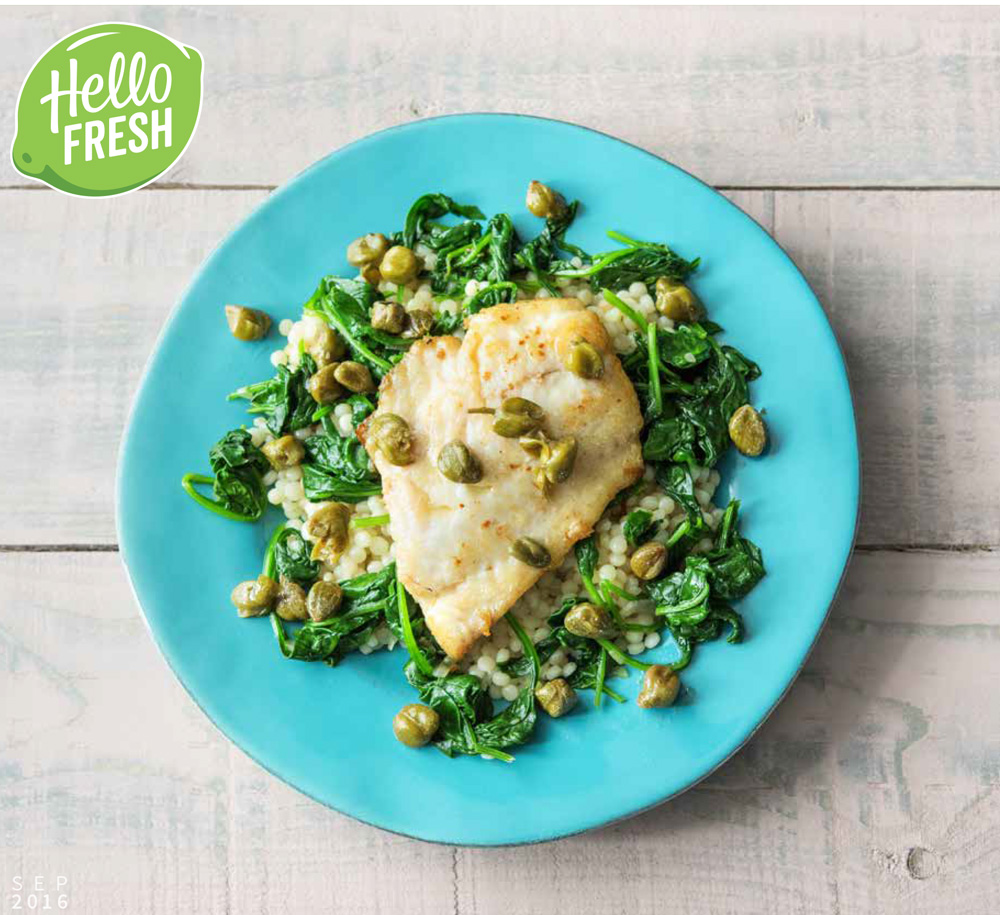
Rockfish Piccata

With Sautéed Spinach, Israeli Couscous, and Lemon Caper Sauce

By Hello Freshrecipe-pic-1-web

Piccata is a simple yet elegant cooking style where meat or fish is sautéed and served with a lemon, caper, herb, and butter sauce. Although piccata is traditionally associated with chicken or veal, our chefs opted for rockfish as the star of this dish because it’s mild and flaky but doesn’t fall apart while cooking. Plus, it serves as the perfect counterpart to pearled couscous and spinach.

Cooking Time: 30 min.

Servings: 2

Nutrition: Calories: 623 cal, Fat: 22g, Sat. Fat: 9 g, Protein: 43g, Carbs: 68 g, Sugar: 5 g, Sodium: 371 mg, Fiber: 8 g

Ingredients:

  • Rockfish Fillets -12 oz
  • Israeli Couscous- ¾ Cup
  • Spinach- 5 oz.
  • Shallot- 1
  • Lemon- 1
  • Capers- 1 oz.
  • Vegetable Stock Concentrate- 1
  • Thyme- ¼ oz.
  • Butter- 2T
  • Olive Oil- 1T

Preparation:

  1. Prep: Wash and dry all produce. Halve, peel, and finely chop the shallot. Halve the lemon. Drain and rinse the capers.
  2. Cook the couscous: Heat a drizzle of olive oil in a medium pot over medium heat. Add the shallot. Cook, tossing, for 2-3 minutes, until softened. Add the couscous, stock concentrate, 2 cups water, and a large pinch of salt. Bring to a boil, cover, and reduce to a low simmer for 10-12 minutes, until tender.
  3. Cook the spinach: Heat a drizzle of olive oil in a large pan over medium heat. Add the spinach and toss until wilted, 2-3 minutes. Season with salt and pepper, and cover to keep warm.
  4. Cook the fish: Season the fish on all sides with salt and pepper. Heat a drizzle of olive oil in a large pan over medium-high heat. Once very hot, add the fish. Cook 2-3 minutes per side, until lightly golden brown and almost opaque in the center.
  5. Make the sauce: Turn off the heat, then add the thyme sprigs and 2 Tablespoons butter to the pan. Once melted, spoon over the fish. Add the capers and the juice of half a lemon, and cook until warmed through. Season the sauce with salt and pepper. Discard the thyme.
  6. Plate: Serve the rockfish piccata on a bed of Israeli couscous and sautéed spinach. Drizzle with the lemon caper sauce. Enjoy!

Ask Clarks

“What are nutraceuticals?”"ask clarks" header

A question from Alexis of Chino

By Clark’s Nutrition

The term nutraceuticals was coined by Dr. Stephen L. DeFelice M.D. circa 1989. Dr. DeFelice is the founder and chairman of the Foundation of Innovation Medicine. Nutraceuticals comes from two words, nutrition and pharmaceuticals. At the time nutraceutical was defined as “any food or parts of food that provide medical or health benefits, including the prevention or treatment of diseases”. Remember, that Dr. DeFelice is a medical doctor and has the ability to use medicine and nutraceuticals for “treatment” of disease. Most companies using the name nutraceuticals today are implying the use for ‘health and disease prevention’. The products that are suggested as being ‘nutraceutical’ apply to ranges of isolated nutrients, dietary supplements and herbal products. These products could also be used to target specific diets using processed or fortified foods such as cereals, soups, and beverages.  The list typically does not include vitamins and minerals in today’s definition. A great example is seen with isolated amino acids which are known as “free form”. We see protein foods that may have an over abundance of amino acids but to isolate the substance makes it more bio-available to the system. BCCA (Branched Chain Amino Acids) amino acids have been used for muscle loss prevention, a medical condition known as sarcopenia, as well as muscle recovery in many double blind studies to date. While protein consumption post work out is ideally effective, whey proteins typically stack up to be one of the most effective forms of protein, making BCAA and whey protein ‘nutraceuticals’.

The term “functional foods” has also been added to link consumption of certain foods or food products to help with disease prevention and improved health benefits. This has largely been a by-product, so to speak, from Japanese identification and regulation of ‘foods for specified health use’. Since 1991 over 600 foods have been identified as ‘functional foods’ in Japan. This identification is used to alert individuals to eat these valuable foods for increased health and disease prevention.

Another term that is commonly used in the media and household verbiage is super foods. A super food is an older term that was used over 100 years ago when food abundances were less and nutrient deficiencies were more common from refined foods. Super foods like cod liver oil provides vitamins A, D and omega 3 fatty acids. If anyone has a deficiency in one of these nutrients they might find relief of the symptom when consuming the super food. Today food fortification and typically more readily accessible foods have prevented stark nutritional deficiencies in the United States. Super foods today often include powdered fruits and vegetables because of our habitual inability to consume these foods on a daily and regular basis. These super foods, when consumed every day help us maintain good health and help with disease prevention.

Remember that the consumption of nutraceuticals, functional foods and super foods should be part of a daily diet and longevity plan.


Have a health related question?

Send us your question, your first and last name, and the city you live in to: askclarks@clarksnutrition.com

Due to the number of responses, we will only be able to answer published questions.


References

  1. Huntington College of Health Sciences Introduction to Nutraceuticals.
  2. http://www.merriam-webster.com/dictionary/nutraceutical
  3. http://www.fimdefelice.org/p2504.html


Mole-Spiced Steak Tacos

With Poblano and Mexican Corn Salad

By Hello Fresh recipe-pic-1-web

Mole isn’t your ordinary Mexican spice blend. It contains onion, garlic, chiles, ground seeds such as sesame or pumpkin, and a secret ingredient: CHOCOLATE! Although the seasoning doesn’t lend sweetness to the dish, it does contribute an irresistible richness.

Cooking Time: 35 min.

Servings: 2

Nutrition: Calories: 884 cal, Fat: 34g, Sat. Fat: 12 g, Protein: 53g, Carbs: 86 g, Sugar: 12 g, Sodium: 602 mg, Fiber: 9 g

Ingredients:

  • Sirloin Steak Tips- 12 oz.
  • Flour Tortillas- 6
  • Poblano Pepper- 1
  • Corn- 1 Can
  • Red Onion- 1
  • Sour Cream- 6T
  • Mole Spice Blend- 1T
  • Chili Powder- 1t
  • Lime- 1
  • Oil- 4t

Preparation:

  1. Prep: Wash and dry all produce. Preheat the oven to 400 degrees (If you have a microwave you can skip this step). Core, seed, and very thinly slice the poblano. Halve and peel the onion. Thinly slice one half. Finely dice the remaining half. Drain the corn. Cut the lime into wedges. Toss the steak in a medium bowl with 2 teaspoons mole spice blend (we sent more), a drizzle of oil, and a large pinch of salt and pepper. Set aside.
  2. Cook the poblano and onions: Heat a drizzle of oil in a large pan over medium-high heat. Add the poblano and sliced onion. Cook, tossing, for 5-6 minutes, until softened and slightly charred. Season with salt and pepper. Remove from the pan and set aside.
  3. Make the corn salad: Heat another drizzle of oil in the same pan over high heat. Add the diced onion. Cook 1-2 minutes, until slightly softened. Add the corn. Cook, tossing, for 3-4 minutes, until lightly charred. Season with salt, pepper, and as much chili powder as you like. Remove from the pan and place in a medium bowl. Stir in 2 Tablespoons sour cream and one wedge of lime. Cover to keep warm.
  4. Warm the tortillas and cook the steak: Wrap the tortillas in foil and place in the oven to warm for 3-5 minutes. Alternatively, wrap in a moistened paper towel and warm in the microwave for 30 seconds. Heat another drizzle of oil in the same large pan over high heat. Add the steak tips and cook for 3-4 minutes per side, until browned.
  5. Make the crema: In a small bowl, stir together the remaining sour cream, a squeeze of lime, and as much remaining mole spice and chili powder as you like (start with a little and go up from there). Thin to a pourable consistency with about 1 teaspoon water. Season with salt and pepper.
  6. Serve: Assemble the mole-spiced tacos with steak, poblano, onion, and crema. Serve the Mexican corn salad on the side or in the tacos. Enjoy!

Chicken Gyro Salad

with Tzatziki Dressing, Heirloom Tomatoes, and Cucumber

By Hello Fresh

Bulgur wheat is a nutritious Middle Eastern grain we can’t get enough of. It’s tender, slightly chewy, and adds a hearty consistency to this pita-less gyro dinner. Our chefs chose chicken thighs because of their deeper, richer flavor — not to mention irresistible crispness. But feel free to trim off some of the fat before cooking if you’d like!

Cooking Time: 30 min.

Servings: 2

Nutrition: Calories: 520 cal, Fat: 15g, Sat. Fat: 3 g, Protein: 50g, Carbs: 57 g, Sugar: 13 g, Sodium: 348 mg, Fiber: 15 g

Ingredients:

  • Chicken Thighs- 12 oz.
  • Bulgur- ½ cup
  • Heirloom Grape Tomatoes- 4oz.
  • Romaine Lettuce- 1
  • Garlic- 2 cloves
  • Smoked Paprika- 1t
  • Oregano- ¼ oz.
  • Lemon- 1
  • Persian Cucumbers- 2
  • Green Olives- 1 oz.
  • Greek Yogurt- 5.3 oz.
  • Shallot- 1
  • Olive Oil- 1T

Preparation:

  1. Prep and cook the bulgur: Wash and dry all produce. Preheat the broiler (or grill) to high or oven to 500 degrees. Bring 1 cup water and a large pinch of salt to a boil in a small pot. Mince or grate the garlic. Zest and halve the lemon. Finely chop the oregano leaves. Add the bulgur to the boiling water, cover, and reduce to a low simmer for about 15 minutes, until tender. Remove from heat.
  2. Marinate the chicken: Toss the chicken in a large bowl with the paprika, a drizzle of olive oil, half the garlic, half the lemon zest, and half the oregano. Season generously with salt and pepper.
  3. Broil the chicken: Place the chicken on a lightly oiled baking sheet. Place under the broiler for 12-15 minutes, until slightly charred and cooked through. Let rest 3-4 minutes. TIP: The chicken can also be cooked on a grill!
  4. Make the tzatziki dressing: Grate 1 cucumber (about ¼ cup) with a box grater. In a small bowl, combine the grated cucumber, yogurt, a drizzle of olive oil, the remaining oregano and lemon zest, a squeeze of lemon juice, and a pinch of garlic (to taste). Season generously with salt and pepper. Thin to a pourable consistency with about 1 Tablespoon of water.
  5. Prep the remaining ingredients: Thinly slice the romaine into ½-inch pieces. Halve the grape tomatoes. Halve, peel, and thinly slice the shallot. Thinly slice the remaining cucumber into rounds. Thinly slice the olives. Once rested, thinly slice the chicken.
  6. Finish: Fluff the bulgur with a fork and season with salt and pepper. Plate the bulgur, then top with the lettuce, tomatoes, cucumber, olives, and shallot. Add the sliced chicken, drizzle on some tzatziki dressing, and enjoy!


Ask Clark’s

“What are antioxidants and how do they help the body? Can I get them in my foods?

A Question from Tim of Palm Desert "ask clarks" header

By CLARK’S NUTRITION

The body’s primary antioxidants are a group of substances including vitamins C and E, beta carotene and the mineral selenium. The sulfur amino acid called cysteine; lipoic acid and CoQ10 are also popular antioxidants. Other plant, non-vitamin or mineral food antioxidants are called phytonutrients. Popular phytonutrients antioxidants such as lycopene (tomato), lutein (spinach and egg yolks), catechins (green tea, dates), anthocyanidns (berries), quercetin (apples, onions) make eating fruits and vegetables daily a must for good health. Vitamin E is found in foods that are high in polyunsaturated fats (although most polyunsaturated fats are refined and there is a lack of vitamin E), such as nuts, seeds and whole grains. Vitamin C is found in fruits and vegetables that are fresh or frozen and not cooked. While phytonutrient antioxidants come from eating fruits and vegetables, the biggest thing to remember is antioxidants help each other. As an example, some antioxidants often have certain areas in the body that they are more effective in helping to maintain good health, such as lutein (eyes). Large amounts of antioxidants are not as beneficial as smaller consistent amounts with a wide variety of antioxidants being the most advantages. To get a good array of antioxidants from foods, you will need to make sure that your diet includes a variety of fruits and vegetables on a daily basis.

The primary action of antioxidants is to reduce cell damage from what is known as free radicals. Free radicals are created when there is an unbalance of electrons on molecules such as oxygen. Normal metabolism of foods and exercise can produce indigenous (inside the body) free radicals. Free radical exposure also happens when we get sunlight (oxidizing radiation) and exposure to environmental toxins such as smoke (cigarette directly or second hand) or smog (exogenous).

A lot of research has been done with antioxidants in relation to health and disease. Research shows that a lack of antioxidants from foods can lead to accelerated disease in some situations and is linked to chronic inflammation. (The Linus Pauling Institute of Medicine at Oregon State University is a primary research institute for micronutrients and human health). While food fortification was instilled circa 1940 to eliminate vitamin deficiencies, vitamin deficiencies are still prevalent (vitamin D, B-12, and calcium amongst the elderly).  It is important to eat good quality whole foods and not rely on processed foods which are typically low in antioxidants and other nutrients, even when fortified. Remember the body needs 45 micronutrients (vitamins and minerals) that are necessary for life and must be provided by the diet. Antioxidant supplementation has been shown in some circumstances to have good benefits (daily vitamin E 100-400 IU, vitamin C 250mg, beta carotene 6 mg and selenium 70-200mcg in supplemental form) have been shown to reduce age related eye disorders. Remember eating color is one way to ensure phytonutrients(s) consumption and is a foundation in any antioxidant plan.


Have a health related question?

Send us your question, your first and last name, and the city you live in to: askclarks@clarksnutrition.com

Due to the number of responses, we will only be able to answer published questions.


References

  1. http://lpi.oregonstate.edu/feature-story/linus-pauling-institute-director-steps-down
  2. http://lpi.oregonstate.edu/feature-story/linus-pauling-institute-director-steps-down
  3. http://lpi.oregonstate.edu/feature-story/early-stage-breast-cancer-slowed
  4. Talbott, The Health Professionals Guide to Dietary Supplements, Lippincott Williams & Wilkins New York, NY. 2007. Pg. 272-5.
  5.  Sardesai, Introduction to Clinical Nutrition, Marcel Dekker, Inc. New York, NY. PG 157-162.
  6. Zimmerman, Burgerstein’s Handbook of Nutrition (Micronutrients in the Prevention and Therapy of Disease), Thieme New York, NY 2001, pg. 2-7, 29-32, 53-8.
  7. Higdon Ph.D., an Evidence Based Approach to Vitamins and Minerals. Thieme New York, NY. 2003. Pg. Forward, 39-47, 65-71.