Tag Archives: Did You Know

Did You Know

Photo Courtesy: didyouknow.com

A Gentle Breed

By DidYouKnowIt.com

The pit bull is a dog that often gets a bad reputation. Many people believe that this dog breed is aggressive and often has a killing instinct. Pit Bulls used to be kept in homes as a nanny dog. Homes in England would use them as guard dogs for their children because of their protective nature. Even though the breed is seen as one that is violent, they are quite the opposite. The pit bull is a trusting dog that is quick to learn who its master is and is very protective. They can be aggressive toward other dogs, which means that they would do best in a home as the only pet. However, with proper training, they can live in the same home as other dogs and even cats. It is when this breed is raised for fighting purposes and to be aggressive that it can be violent. Most pits won’t attack another person or another animal unless there is a threat presented. This is because of their protective nature. If you’re planning to use this kind of dog to guard the home, it might be a good idea to find a different breed because they can be too trusting of people. This means that although they will attack if threatened, they usually won’t patrol the yard or stop someone from walking by the house unless the person does something to the dog.

5 Ways to Ease Holiday Travel Stress With Your Phone

By State Point

Holiday travel is slated to reach post-recession highs this year, with more than 68 million Americans traveling this season. Fortunately, your most helpful tool to make winter travel less stressful is right in your pocket: your smartphone. Not only does it make planning your perfect trip easier, your phone can keep you connected and entertained when you’re away. Here are some tips to optimize your phone before you go.

Download Travel Apps

Apps like FlightAware, Google Maps and LoungeBuddy can keep you apprised of gate and flight changes, estimate traffic and plot travel routes and help you locate the best places to rest before your flight. There are even apps like SitOrSquat, for locating nearby bathrooms!

Maximize Your Storage

Cell phone cameras are more powerful than ever, and the average smartphone holds thousands of photos and videos of your cherished memories. You don’t want to run out of storage space, so get the right MicroSD card for your phone before you depart. You can also set up cloud storage services so your pictures are automatically uploaded and secured.

Check Your Mobile Plan

Some mobile plans have designated perks for travelers. For example, T-Mobile ONE gives international travelers unlimited data and texting along with cheap, flat-rate calling in more than 140 countries and destinations. That means no wasting time or money searching for public Wi-Fi or purchasing an international SIM card. Plus, since unlimited data and texting are included, you can communicate without worrying about surprise overage fees.

Also, on flights equipped with Gogo In-flight Internet, all T-Mobile ONE customers can send texts, picture messages and check Visual Voicemail in the air – and they get one hour of free internet (or for the entire flight with T-Mobile ONE Plus). More information is available at http://www.t-mobile.com/one.

Get the Right Phone Accessories

When you’re managing a bunch of luggage and other travel gear, it’s easier to drop your device, so keep your smartphone safe with a screen protector and a case that’s sturdy and practical. Some cases have non-slip materials that make them easier to grip and include storage for credit cards. Or try a PopSocket collapsible grip which doubles as a built-in stand – that’ll come in handy if you’re watching a movie on the plane or in your hotel room.

Bring Your Own Entertainment

Nearly one in five flights are delayed during the holiday season and that can make for boring and stressful waits. Head to Amazon or your app store to download some shows and movies before your trip (especially key when traveling with kids!) so you can watch when Wi-Fi is unavailable, and find a few games that can be played offline, too, like UnblockMe and Plants vs. Zombies. When you do have an internet connection, you can stream Netflix for free on a T-Mobile ONE family plan.

With smart planning and accessories for your phone, holiday travel becomes much less stressful, and you can save yourself from racking up surprise fees for extras and overages.


Did You Know?

5 Ways to Get Your Home Ready for the Holidays

By Statepoint


Whether you’re hosting or just trying to get into the holiday spirit, preparing your home doesn’t have to be daunting or expensive.

Check out these five tips for getting your home in tip-top holiday shape on any budget from the experts at Dollar General:


Deck the Dining Table

Get your dining table holiday-ready by purchasing staple décor pieces that can be rotated throughout the year. Fill glass vases with seasonal items such as ornaments, holly, faux snow or pinecones. Add extra light and warmth to the table with a flameless LED pillar candle. Place tea lights in small vases filled with cranberries, holly and water for an inexpensive and festive way to decorate the table.


Decorate the Tree

If you’re looking for a fun way to get kids involved in holiday decorating, purchase plain ornaments for them to design with paint or pens. Clear ornaments can be filled with glitter or tinsel to create a unique look for your tree. Decorated ornaments also make great and thoughtful gifts.


Embellish your tree by adding red or burlap ribbon from the top of each side and adding a topper. Then, consider coordinating the color scheme of your tree with gifts, using those that were wrapped early as decor throughout your house.


Deck the Front Door

Make a DIY wreath by gluing bows or pinning ornaments to a foam wreath. Designing your own door decor doesn’t have to be expensive, and it will allow you to add your own personal touch to your home’s entryway. Complete the look with festive outdoor lighting. Affordable options are available at such variety stores as Dollar General.


Design a Festive Mantle

Decorate your fireplace mantle for the holidays without spending much time or money. Wrap a garland in mini string lights and hang leftover ornaments to continue the theme from your tree. Create handmade bows to place at each end of the mantle using your choice of ribbon. If you don’t have a mantle, you can create a fireplace-like space with a cluster of string lights or LED candles in a nook of your home. Then, remember to hang the stockings!


Create a Cleaning Game Plan

The holidays can be fun, festive and messy. Create a day-by-day cleaning game plan, focusing on one area of your house at a time. This will save you stress and allow you more time to get organized. Be sure you’re stocked up on all your holiday prep cleaning supplies, including sponges, microfiber cloths and wet mop refills.


For holiday savings, you can sign up for Dollar General digital coupons, which offers a $1 off coupon when you sign up. Create an account by visiting dollargeneral.com/coupons or through the DG mobile app.


Remember, getting into the holiday spirit doesn’t have to break the bank. Save time and money decorating your home, so you can spend more stress-free moments with friends and family.

Tips for Taking Care of Your Winter Wardrobe

By StatePoint

It’s time to find that box marked “winter” at the back of your closet and rediscover all of your favorite layered looks. But, it’s important that you know how to treat your winter wardrobe so each piece stays comfy, stylish and warm throughout the season.

Get Organized

It may be tempting to unpack items as needed. However, you may find it’s suddenly spring again and some of your favorite scarves and sweaters went the whole winter unworn at the bottom of the box.

Commit to a full closet revamp, devoting time to unpacking and analyzing each item. After months of being folded, many pieces might not look, feel or smell their best.

Refresh these items so they are ready to wear. You can now do this at home instead of at the dry cleaner, by tossing up to five items in the dryer for just 15-30 minutes using the Dryel At-Home Dry Cleaning kit. This new method will save you time during your closet swap, and money throughout the season, as you can use it to preserve your favorite pieces without expensive and inconvenient trips to the dry cleaner.

To Keep or Not to Keep

Is it time to get rid of those pieces that never seem to make it off the hanger? Fashion and lifestyle blogger Sarah Gleeson of SG Style Me is quick to share a few things to keep an eye out for when deciding what to get rid of, including items you got for free or very cheap. Just because it was a good deal, doesn’t mean it’s a good fashion piece, she stresses. Say goodbye to the trends you once collected and have since moved past. We’ve all been through style phases, and it’s ok to see them end. Pull out anything with tags still attached. This is a definite sign that purchasing that item was a moment of retail weakness, and not a fashion must-have, says Gleeson.

If you find yourself heartbroken having to part ways with a fashion favorite because of a stubborn stain, don’t lose hope. Secret weapons exist to keep star pieces looking brand new season after season, such as the Dryel stain remover pen, which is safe on delicate fabrics and effectively removes spots and stains — even those from last season.

Know Your Fabrics

After your closet is organized, stay on top of wardrobe care. Among cashmeres, wools, velvets, and more, high-maintenance fabrics are likely more prominent in your winter wardrobe than other seasons. Read tags for what can and can’t be washed normally. To safely and easily care for delicate items, keep an at-home dry cleaning kit on-hand, to clean clothes in the convenience of your dryer for a fraction of the cost of a professional dry cleaner, without stretching fading or shrinking.

Keep sweaters, jeans and scarves bright, fitted and functional. That way, when it’s time to pack up the box again, you can look forward to feeling just as great in your favorite pieces next year.


Did You Know?

5 Reasons to Consider a Home Theater System Now

By StatePoint 

When it comes to entertaining ourselves at home, there are more options than ever before. Whether you are looking to upgrade your family’s existing movie night experience or you are just getting started in assembling a home theater system, here are five reasons to consider doing so now.


1. There is more media available. With so many streaming services accessible, more movies and shows are available at your fingertips than ever before, making it possible to instantly enjoy everything from recent blockbusters to classic favorites to a marathon of your favorite TV series.


2. You can find high-quality tech. Today’s high-quality tech makes it possible to get an upgraded movie theater-like experience at home. For example, the projectors from Casio’s LampFree line-up offer quick, easy set-up and reliable, brilliant images that include models that work well in any size room or home theater.


3. It allows you to get cozy. When the weather outside is frightful, why head to a drafty movie theater? Nothing beats staying-in and enjoying the comfort of your own home — you can even wear your PJs if you want!


4. You can make it a party. With a home theater system, you can invite all your friends and family over for movie nights. Ask everyone to bring a treat inspired by the movie that you’ll be watching for some fun, quality time together.


5. You can save time. Sports practice, homework, the school play; your kids are busy and so are you, which means you may not always find time for the entire family to head to the movie theater for a specific showing. However, with a great theater in your own home, you can plan a spur-of-the-moment movie night whenever it works for your family.

Haunted House and Halloween Industry Now a $10 Billion Industry

Photo courtesy: State Point

By StatePoint

Halloween is big business. The commerce of Halloween in the U.S. should exceed $10 billion during the 2017 season, according to Hauntworld.com, the industry’s leading website. That’s a lot of candy, costumes, decorations and tickets to haunted attractions.

One of the largest growth areas in the Halloween trade is the explosion in number and quality of commercial haunted house attractions, haunted farms, corn mazes, hayrides and other spooky venues. More than $1 billion of the $10 billion spending on Halloween is attributed to ticket purchases at themed haunted sites.

“Visiting a haunted attraction is now the single most popular way to celebrate the holiday,” says Larry Kirchner, founder of Hauntworld.com, which directs consumers to find and review Halloween attractions around the globe. The site provides locations and information about all major haunts, pumpkin patches, corn mazes and hayrides.

Haunted attractions strive to make guests feel like they’re experiencing a real-life horror movie, some going so far as to use computer animation, giant monsters and even virtual reality to provide scares guests enjoy. Many haunts now feature new attractions, such as zombie paintball, zombie laser tag, corn mazes, haunted hayrides and escape rooms.

This season, families have many options. Haunted houses have become more realistic, but at the same time, more family-friendly to appeal to larger crowds. So, what is the best way for your family to experience the Halloween haunt craze? Those with teenagers should seek out the scariest haunted house near them. Families with younger children should head to local farms.

Professional Halloween attractions are now often based at family farms, which typically offer traditional pumpkin patches, corn mazes and hayrides to appeal to younger guests. However, many of these farms transform into spooky attractions by night, featuring actors portraying frightening characters, creepy lighting and elaborate décor to provide fear-based fun. You can find the best haunted attraction for your family by visiting Hauntworld.com.

According to Hauntworld.com, these attractions are rated as 2017’s scariest in the U.S.

1. Netherworld – Atlanta – fearworld.com

2. The 13th Gate – Baton Rouge, La. – 13thgate.com

3. The Dent Schoolhouse – Cincinnati – frightsite.com

4. Erebus – Pontiac, Mich. – hauntedpontiac.com

5. Headless Horseman’s Hayrides and Haunted Houses – Ulster Park, N.Y. – headlesshorseman.com

6. Haunted Overload – Lee, N.H. – hauntedoverload.com

7. Nashville Nightmare – Nashville, Tenn. – nashvillenightmare.com

8. Bennett’s Curse – Baltimore – bennettscurse.com

9. The Darkness – St. Louis – scarefest.com

10. Field of Screams – Mountville, Pa. – fieldofscreams.com

11. Factory of Terror – Canton, Ohio – FOTOhio.com

12. Nightmare on 13th – Salt Lake City – nightmareon13th.com

13. USS Nightmare – Newport, Ky. – ussnightmare.com

The complete list of the “Best of” scary to not-so-scary attractions is available at: hauntworld.com.

There are many ways to give your family an age-appropriate scare this season, no matter where you live.

Did You Know?

Eastvale Street Sweeping Reminder

City of Eastvale

Eastvale – The City of Eastvale contracts through Waste Management with Dickson Street Sweeping for street sweeping services. This service ensures that all City-approved arterial, residential, industrial and alley roadways are kept clean. Maintaining clean streets keeps the City of Eastvale beautiful and complies with the South Coast Air Quality Management District (SCAQMD) and National Pollutant Discharge Elimination System (NPDES) requirements. Residents maybe unaware of the storm water pollution (polluted runoff) problem, and the threat it poses to the local Santa Ana River, lakes and streams.

Street parking is prohibited during the days and times identified on the street sweeping sign posted at the main entrance(s) to each development. The “No Parking Zone” is enforceable during the block of time identified on the posted sign, regardless of the location of the street sweeper on the scheduled route. Street sweeping services will continue rain or shine and will not take place on holidays. Vehicles parked on the street during those days and between the posted hours will be cited under section 10.20.040-Parking prohibited-street sweeping. The fine amount is $50.00. For residents who wish to contest their citations, please follow the instructions located on the back of the citation.

Residents are encouraged to pay close attention to the street sweeping sign(s) posted at the entrance of your development. If you wish to view the street sweeping maps for the community, please visit the Street Sweeping page on the City’s website, www.EastvaleCA.gov/residents/street-sweeping. For more information regarding the street sweeping schedule, general street maintenance or service, please call Eastvale City Hall at (951) 361-0900.


4 Things Vets and Service Members Need to Know When Buying a Home

By Statepoint


If you’re a veteran, reservist or active duty service member, it’s important to know that there are special benefits you may be eligible for when buying a home.


“Veterans and service members have earned the opportunity to become homeowners, and it’s crucial that they are well-informed about the benefits and options available to them,” says Greg Murray, military mortgage program manager at Wells Fargo, who is also a U.S. Navy veteran.


To help, Murray has identified the top four things to know when buying a home.


  • There are special financial education resources designed for military personnel and veterans. Take advantage of these free online resources so you can be a savvier home shopper. For example, Wells Fargo’s Hands on Banking for Military, which offers courses on topics like banking basics and smart spending, also contains a comprehensive guide on home-buying.


  • Before assuming you won’t qualify for a loan, talk to a lender. Be sure to tell the lender that you have served or are currently serving in the military. They can inform you about the options available to you, such as a Veteran’s Administration (VA) loan. A VA loan is a home loan guaranteed by the federal government, designed to help those who’ve served in the military obtain homeownership. They can sometimes be obtained with zero down payment. Gifts or grants can be used to help cover down payment and closing costs, subject to program requirements, and no mortgage insurance is required.


  • A large portion of qualified buyers aren’t taking advantage of the low-to-no-down-payment mortgage options available through VA loans. Indeed, more than 21 million veterans and service members live in the U.S., however, over the past five years, a mere 6 percent of them bought a home using a VA home loan, according to the Department of Veterans Affairs. This may be due to the common myth that active duty service members, National Guard members and reservists are not eligible for VA loans (in fact, they may be eligible).


Many also are unaware that unmarried, surviving spouses of veterans who died as a result of service or service-related causes are also eligible.


  • Individual banks, not the Department of Veterans Affairs, offer VA loans, allowing you to work with a lender who understands your needs and makes you feel comfortable.


“A specialized team member who understands unique military needs, such as a Wells Fargo Military Lending Specialist, can help you make the most of the home loan benefits you’ve earned,” says Murray.


Developing a relationship with this lender is also a good idea, as you may later choose to refinance through the VA Interest Rate Reduction Refinance Loan (IRRRL) program.


To learn more, visit wellsfargo.com/military.


If homeownership seems daunting, remember that taking advantage of VA benefits can make it more financially and logistically viable.

Wireless Tips for Boomers

By StatePoint

There are currently more than 93 million Americans in the U.S. over age 55, according to Census data, and the vast majority (74 percent) of them have a smartphone. And that number keeps growing.

In addition, Baby Boomers spend an average of 149 minutes a day on their smartphones — about as much as smartphone-obsessed Millennials at 171 minutes per day.

Despite these figures, and the fact that members of this generation were the inventors of the wireless industry, many mobile plans for Americans aged 55 plus are still designed for a time before the Internet. They come with limited minutes, and no data.

“The fact is that many ‘senior’ plans offer limited services that only work with basic phones. This doesn’t make sense for most of today’s modern, mobile adults,” says John Legere, CEO and president of T-Mobile. “Unfortunately, many carriers and plans treat these generations like they’re stuck in the past.”

But even without the dumbed down “senior” plans, empty nesters aren’t given great options. When kids leave the house and are off the family plan, most major carriers raise the per line cost by almost 60 percent, costing customers a hefty sum when it’s time to pay the bill each month.

So how can you find the best deal for your needs? When looking for a plan, consider the following.

• How many lines do you need? Virtually every wireless provider has a lower per line cost for four lines instead of two. So, if you only need two lines, look for a plan that won’t penalize you for not having four.

• If you’re a frequent traveler — whether it’s for business or pleasure — ensure your wireless plan offers the perks you need to avoid sticker shock on your bills when you get home. T-Mobile ONE includes compelling perks for travelers – like an hour of free Gogo in-flight Internet on domestic flights and high-speed data in Mexico and Canada, and data and texting from 140 countries and destinations around the world. It’s a good choice for those on-the-go.

• How much do you use your mobile phone? Be honest with the number of minutes you spend making calls and the amount of data you use. Lately, unlimited plans have become incredibly affordable and popular again. If you don’t want to ever have to worry about your data use, it may be time to take advantage of these deals and switch to an unlimited plan.

Consider new options like the recently launched T-Mobile ONE Unlimited 55+, which is designed specifically for today’s modern mobile adults. For just $60 a month, with taxes and fees included in the price, those who are 55 and older can get T-Mobile ONE, with unlimited talk, text and 4G LTE data, as well as the already mentioned other perks. It also comes with the ability to use your number on other compatible phones, tablets and PCs. It’s limited to those aged 55 and older, so bring your ID when you go to sign up. To learn more, visit t-mobile.com/unlimited55.

Being over 55 doesn’t mean you have to compromise on your wireless plan, so do your research and find a plan that offers you everything you really need to stay connected at the best price.

Steps to Save Energy in Your Home

By StatePoint

Reducing your energy use at home is a win-win for your wallet and the planet. Not only can it save you money on your bills now, but it could also improve your home’s resale value, if you know which steps to take.

These simple tips can help.


Form Smart Habits

Energy smart habits can help you save a great deal of energy. Be sure to unplug any battery chargers or power adapters when they are not in use and always turn off the lights when leaving a room.

In the kitchen, be sure to keep a clutter-free fridge for better efficiency. Also, don’t hem and haw over what to eat while the refrigerator door is open.

When cooking, cover pots and pans to keep the heat in and the kitchen cool.


Make Smart Swap Outs

Many electronics continue to use energy even when they are switched off, however, you may wish to switch to ENERGY STAR certified alternatives, which are designed to conserve this energy usage, while still maintaining functions like clock displays, channel settings and remote control functions. Also, seek out the ENERGY STAR certified label when shopping for appliances like washers, dryers and refrigerators.

Replacing incandescent light bulbs with compact fluorescent light bulbs is simple, easy and effective. You can save up to $70 in annual energy costs by replacing your 5 most frequently used light bulbs or fixtures with ENERGY STAR certified ones.


Seal Up Drafts

Weather stripping, caulking and other simple measures, like closing the flue damper of your fireplace when it’s not in use, can go a long way towards keeping you more comfortable in all types of weather, and improving your home’s energy efficiency.


Know Your Score

Another great step to save energy is to measure your home’s energy efficiency with a Home Energy Rating System (HERS) Index Score from the Residential Energy Services Network (RESNET), a non-profit standards-making body for building energy efficiency rating and certification systems.

More than 2 million homes across the country have a HERS Index Score, which tells homeowners and prospective buyers how their homes compare to other similar ones in terms of energy usage. Think of it as the home industry’s version of the MPG (miles per gallon) rating that you find in the auto industry. The lower a home score, the higher its efficiency.

“Knowing your score can help you evaluate where to make changes to your home, from sealing leaks in your heating and cooling distribution system to updating your roof in order to be more energy efficient,” says Steve Baden, executive director of RESNET.

To learn more and for more energy efficiency tips, visit resnet.us.

Reducing your carbon footprint is not about self-sacrifice. Common sense tips can help you improve your energy efficiency while making your home a more comfortable place to reside.

What You Should Know Before Buying or Leasing a Vehicle this Fall

PHOTO SOURCE: (c) Tomasz Zajda/stock.Adobe.com

By StatePoint

Fall is a popular time to purchase a new vehicle, with new models hitting dealer lots, and significant savings on current model year cars and trucks. Whether this is your first purchase or you’ve done this before, there are more choices than ever when it comes to makes and models of vehicles, and financing options for securing one.


Before heading to the dealership, follow these tips to prepare.


  • Do your research: Online reviews and safety ratings can be helpful in choosing the car that fits your needs and lifestyle. This information will also come in handy when it comes time to negotiate. Consult reputable independent sources beforehand, like Consumer Reports and Edmunds, to compare vehicles you’re considering.


While not as impartial, video reviews or “first drives” on YouTube can help give you a detailed view on vehicles before heading into a showroom. This research can also help you identify questions for your dealer or make you aware of features you can experience while on a test drive, like lane departure warnings or self-parking technology.


  • Know your budget: Automotive expenses include monthly payments, car insurance, fuel and maintenance costs. As a general guide, transportation expenses should be less than 20 percent of your monthly budget. Use free resources, such as Ally’s online car payment calculator, to help determine what is realistic for your budget; it’s available at allywalletwise.com/calculator.


If you have a vehicle that you will be trading in or selling, estimate its value using tools like Kelly Blue Book. This will come in handy when deciding on trade-in options.


  • Decide whether to buy or lease: Consider your lifestyle and budget when exploring financing or leasing options. Be sure to review your credit report, as your score can affect whether you’re approved for financing and the rate you’ll receive.


Also, consider new options, such as leasing used vehicles, which are now being offered through institutions like Ally Financial. Whatever option you choose, be sure to know the details of your agreement, whether leasing or financing your car.


  • Test drive: Don’t forget to do some hands-on research, as well. Test drive each of your top choices to determine your favorite. You should feel comfortable, confident and safe behind the wheel of the car you select. The longer the test drive, the better. Give yourself as much time as possible to notice the details and get a feel for the vehicle. Most dealers have a predetermined test route, but if you drive a variety of roads, this may not be enough. Ask your salesperson to go for a longer drive that includes highways and backroads. Before or after your test drive, explore the vehicle, touch every button, program the navigation, climb into the backseat, open the trunk or hatch.


More tips for owning or leasing a car can be found at allywalletwise.com.


Remember that purchasing or leasing a car is a major financial step. Do your research to ensure you’re making the best decision for you.

How to Get Your Family Interested in Art and Music

Photo Courtesy: (c) Pexels.com

By StatePoint


When school budgets suffer, often so do arts and music programs. Families can make up for scaled back opportunities in the classroom by bringing both music and art into the home.


Art Corner

Create a little art studio in your house with a few key supplies. Drawing pencils, sketchbooks and watercolors are great basics. As skills progress, you can expand these supplies to include acrylic paints, charcoal and more. For those into crafting, check out sites like Pinterest for creative ideas and step-by-step instructions. While many community centers offer opportunities to receive classic art instruction, there are a number of online tutorials that can help you learn basic techniques from the comfort of your home, and for free.


Make Music

Research has shown that listening to classical music can have many positive benefits on the brain and body, from improving one’s mood to boosting performance on tests, so, get exposed to all the greats, from Mozart to Beethoven to Vivaldi.

September is National Piano Month, and an excellent opportunity to encourage your family to learn to play classical music with the right gear. These days, it’s possible to get the concert grand piano tone with modern technology. New models of keyboards, such as the Celviano AP-270, a stand-up keyboard from Casio, is equipped with an 88-key Tri-Sensor Scaled Hammer Action Keyboard with simulated ebony and ivory textured keys to reproduce the feeling of an acoustic piano.


Explore Your Community

Take a field trip! Go to a museum or art gallery. Attend a live concert. Being inspired to create art and music is easier when you have real life examples to admire. Encourage everyone to talk about what they heard and saw and what they liked best.

Whether or not your school has comprehensive music and arts programming, you can enhance whatever lessons the classroom offers on weekends and in the evenings.

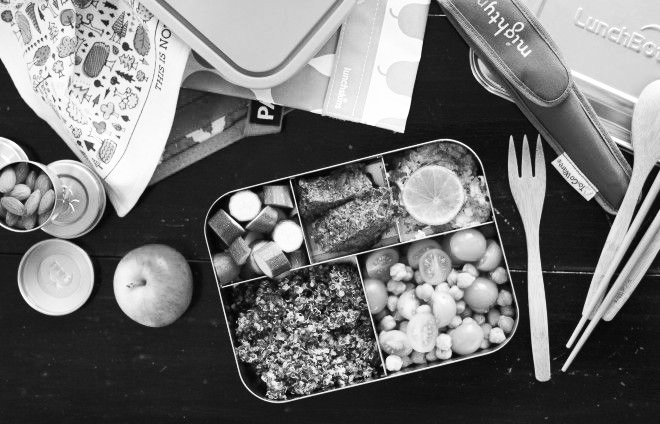
5 Easy Ways Families Can Go Green When Packing School Lunches

Photo courtesy: Statepoint

By StatePoint

While packing lunch for the kids can seem like a daily grind, you can use the task as an opportunity to help kids form great lifelong habits.

Here are five small ways changing your lunch-making routine can have large, positive impacts on the environment, your wallet and your kids’ health.

  1. Pack with reusables. On average, a school-age child with a lunch packed in single-serve disposable materials like plastic snack bags or juice boxes generates 67 pounds of waste per school year, which equates to 18,760 pounds of lunch waste for an average-size elementary school, according to the estimates of Waste Free Lunches, a non-profit organization.

Reduce your contribution to this waste and save money in the process with reusable containers. Waste Free Lunches estimated that choosing only reusable containers can save you almost $250 per person, per year. To learn more about reducing lunchtime waste on the household or community level, visit, WasteFreeLunches.org.


  1. Choose Made in USA. The “3 Rs” — Reduce, Reuse and Recycle — are a great refrain for environmentalists, but to ensure your family’s daily habits are minimally impacting the environment, consider adopting the simple act of choosing Made in USA products. This small change automatically reduces one’s carbon footprint by a magnitude of 10, according to a recent study conducted by Nalgene Outdoor, which offers a vast variety of BPA- and BPS free reusable water and food containers in a myriad of colors and designs, ranging in size from 12-ounces to 48-ounces. You can help explain the significance of buying Made in USA products to kids by telling them it’s like leaving a light on for 30 minutes vs. 3 minutes.


  1. Buy food local. Without a doubt, the most nutrient-rich and often most cost-effective way to procure fresh produce is locally. Additionally, anything sourced within 100 miles of home has a significantly lower carbon footprint than something that has traveled through hemispheres to reach your grocery store shelves. Community Supported Agriculture (CSA), co-ops and farmers markets are popular ways to find local produce direct from farmers. Check out localharvest.org to find a program near you.


  1. DIY grab-and-go snacks. Prepackaged snacks are often priced at a premium and rarely offer nutritious enrichment, but with just a little prep work, you can create your own healthy options more affordably.

“I try to choose storage containers that are already pre-portioned so I know the portion that I’m packing,” says Peggy O’Shea Kochenbach, a registered dietitian nutritionist. “Pack nutritious items like fruits, vegetables and nuts in clear containers in the pantry or refrigerator on Sunday, so that they are ready to ‘grab and go’ for the week.”

For safety, store items in BPS- and BPA-free reusable containers, such as those from Nalgene Outdoor Products, which offers a line of reusable storage containers that are clear, ranging in size from 4-ounces to 16-ounces and that are also dishwasher safe.


  1. Green your clean-up. Parents should seek reusable items that can both sustain kids’ rough and tough daily activities, but also survive the dishwasher. Close label reading shows that many reusable lunch containers suggest “hand washing.” However, items that are dishwasher-safe can keep your household saner, cleaner and greener. For your family, cleaning is easy-peasy; and for the environment, research shows a good dishwasher saves 3,870 gallons of water over its lifetime and uses less energy than conventional models, which helps reduce air pollution and combat global climate change, according to the ENERGY STAR program.


Back-to-School Organization Tips for Busy Families

photo courtesy: fotolia.com

By StatePoint


The new school year brings hectic mornings, piles of homework, endless events, practices, games and school conferences. When you’re a busy parent, day-to-day tasks can consume your thoughts and energy. Stay organized and sane by following these simple tips to handle the crush of the school year.

Centralize Communication

Communication is key when it comes to organization. Stay in sync with your family by using a digital calendar. Smartphone apps such as Hub allow multiple users to share to-do and shopping lists, appointments, commitments and more. In addition, many apps have messaging capabilities to ensure users can share specific details and instructions (“Bring treats for the holiday party Tuesday”) and last-minute changes (“Grandma is picking up the kids today”) with one or more family members.

Organization Station

If your family prefers a physical calendar, incorporate it into a complete “home command station” in an area everyone passes, like a nook in the kitchen or a corner in the family room. Build out the space as the central location for organization. Use chalkboard paint to create a reusable messaging wall for daily assignments and appointments. Include a shelf or cubby with an inbox and outbox so permission slips, bills and important documents don’t get lost.

Make this station even more useful by adding a dedicated space for children to do homework. Include a desk, computer, school supplies and a bright desk lamp. Encourage success by posting recent “wins” nearby, like that aced spelling test or impressionist masterpiece. Utilize file cabinets, labeled folders or pouches to separate print materials and USB flash drives by subject, so homework can be handled with less stress.

Modify Meal Prep

Before heading to the market, map out meals for the week that share common ingredients, to increase efficiency and reduce waste; then create a shopping list packed with fruits, vegetables and whole grains. Maintain a consistent supply of fresh, delicious produce with subscription boxes or community-supported agriculture membership.

Prep breakfasts and lunches the night before to save time in the morning and ensure your family consumes healthy, whole foods, versus pre-packaged convenience foods.

Smoothies provide a nutritious breakfast or snack at home or on-the-go. Prepare and freeze individual servings of chopped fruits and vegetables in resealable bags. When you’re ready to use, place the frozen produce into a high-powered blender, such as the Vitamix A3300 Ascent Series blender, add almond milk, soy milk or water and blend on high until the desired consistency is reached.

For lunch, prep power-packed meals with items like almond and seed butters to provide protein, healthy fats, vitamins and minerals. Mix unsalted, roasted almonds and canola oil in a high-powered blender to create homemade almond butter; or blend sunflower seeds, flaxseed, sesame seeds and sunflower oil for an allergy-friendly no-nut butter. Pair these delicious spreads with jam on whole-wheat bread for a twist on a traditional lunchbox favorite.

Staying organized is not easy. There might be occasional disarray, but making just a few small changes will help you reap the benefits of a more balanced life this back-to-school season.

Did you know?

Dental Health is Important for Children’s ‘Baby Teeth’

 By StatePoint

Parents and caregivers may be underestimating the importance of dental care for children’s “baby teeth.” According to the Centers for Disease Control and Prevention, only 63 percent of children ages two to four see the dentist at least annually.

Most dental benefits cover preventive care visits twice a year with no out-of-pocket costs, and these visits are important for small children.

Baby teeth, (also known as primary teeth), play an important role in a child’s overall healthy development. If cavities begin and are left untreated, they can become painful and possibly infected. Loss of these teeth prematurely may impact eating, speaking, learning and self-esteem. Baby teeth help guide the way for permanent teeth to erupt into proper position.

“Tooth decay is preventable. The investment of only a few minutes each day on the part of parents and caregivers, coupled with regular dental checkups, goes a long way in creating healthy smiles to last a lifetime,” says Dr. Diane Monti-Markowski, clinical program director for Cigna Dental.

She offers these oral hygiene tips for those caring for small children:

  • Plan to have your child visit the dentist by his or her first birthday or within six months after the first teeth appear.
  • As a child’s teeth start to come in, brush them gently twice a day with a child-sized toothbrush and water.
  • Begin flossing a child’s teeth daily when there are two teeth that touch.
  • Do not put your baby to sleep with a bottle of formula, milk, juice or any other liquid other than water.
  • Consider introducing toothpaste for children who are two and older and are able to follow directions to spit after brushing. The American Dental Association recommends using fluoride toothpaste about the size of a grain of rice for children younger than three years old and a pea-size amount for children three to six years old. By age three or four, your child should be able to brush with your supervision.
  • Make brushing fun. Let your child pick out the color of his or her toothbrush. Play a favorite song or set a timer to help children understand that good brushing takes about two minutes twice a day.

Find more tips at Cigna.com/dental-resources. For detailed questions or concerns about a child’s oral health, it is important to consult a dentist.

“Adults can also reinforce the importance of oral health by their attitudes,” adds Dr. Monti-Markowski. “Encouraging good habits and showing a positive manner when visiting the dentist can lay the foundation for children to maintain healthy teeth throughout their lives.”


5 Things to Consider When Selecting a Car Dealership

By StatePoint

When looking for their next set of wheels, car shoppers have choices that extend beyond the vehicle. The buying experience should meet their needs and wants, too.

“Shoppers should consider buying from an independent dealer, which can open up a world of additional options,” says Marcus Dame, senior director, Product Management at Autotrader.

Here are five reasons to consider an independent dealership:

  • Variety: Independent dealers have greater flexibility to carry more makes and models in their inventory, giving shoppers an ability to test drive a wide variety of vehicles in one location. Each vehicle is carefully chosen by the independent dealership for its particular attributes and consumers have an opportunity to speak to the person that acquired the vehicle and find out what makes it special.
  • Personal Service: When shopping at an independent dealer, you benefit from personal service provided by individuals that take time to understand the right vehicle for your needs. Most independent dealers are interested in selling you what you need, as opposed to pushing a model that they want to get out of their inventory. In fact, consumers can easily meet with the dealership owner or manager to discuss their purchase.
  • Pricing: Independent dealers have a better selection of vehicles in a wider price range than a typical franchise dealership. Independents do not have huge overhead expenses, so they can afford to sell cars with lower sales prices. The sticker price on a majority of cars (besides classics) on an independent lot is $10,000 or less. So it should be easy to find a reasonably priced daily driver, a great car to take to college or a new driver’s first car.
  • Financing: Many financing options are available for consumers with all types of credit. When purchasing a vehicle from an independent dealer, some buyers like the convenience of securing a loan at the same place from which they purchase their car. Some independents are “Buy Here, Pay Here” (BHPH) dealers. BHPH puts credit-challenged borrowers in a car when no other traditional lender will allow it. On-time payments can help rebuild a positive credit history.
  • Trade-ins: Consumers usually receive quicker, and often better, trade-in allowances with independent dealers that provide an instant valuation, such as Kelley Blue Book Instant Cash Offer. Based on what make-models the dealership needs on the lot to meet customer demand, an independent dealer might even pay a premium for your vehicle.

You can locate an independent classics dealer at classics.autotrader.com. Details on financing through a BHPH dealer can be found at buyherepayhere.autotrader.com.

When shopping for a vehicle, customers have many options for what to buy and how to buy it. Before making your decision, consider visiting an independent dealer.


Did You Know?

Time- and Budget- Stretching Tips for the Self-Employed  

By StatePoint 

The ability to stretch a budget can help businesses or those who are self-employed weather lean times and flourish in good periods, and being efficient with time can mean surviving a busy season with your sanity intact. But these principles can be hard to uphold.

To help, here are a few tips to assist freelancers, entrepreneurs and small business owners to make more happen with existing resources.  

Seek Out Resources

Taking care of certain logistics is easier these days, as retailers like Staples offer resources for small businesses, such as their Small Business Hub, where you can design and order business cards, print marketing flyers and posters, get invitations, announcements, calendars and brochures, many on the same day that you place the order.

“When you are on a tight schedule, having one place where you can go that meets a bulk of your small business needs is extremely useful,” says Melanie Salinas a photographer and the blogger behind “Story of Five.”

Salinas, who recently partnered with Staples as part of their #MakeMoreHappen campaign to help small business owners learn about resources to help them get things done, is a frequent user of both Staples’ online hub, as well as their in-store Copy & Print center.

Keep Expenses Organized 

“Don’t mix business with pleasure. Easier said than done when you’re working from home, but it’s a must. Keep business expenses separate from family expenses,” says Salinas.

It may seem like an extra step now, but you can avoid accounting headaches and help make tax time a breeze by staying organized. Good organization will also help ensure you don’t overlook expenses that could lower your taxes.

Create a Workspace 

If you are looking to take your business to the next level, it’s important that you have a dedicated workspace where you can get stuff done. Look to programs like Staples Rewards to get cash back on purchases, special coupons and deals.

“Even if it’s just a corner of your bedroom, creating a functional workspace will help you boost productivity,” says Kayla Buell, who runs “Gen Y Girl,” a Millennial career and lifestyle blog, who recommends sprucing up the area with supplies and décor that inspire and motivate you.

Use Time Wisely 

Marketing yourself or promoting your business can be tough, especially if your days are full working for existing customers and keeping your business going.

“Promoting sounds like a lot of work when you’re bursting at the seams, but you have to communicate with people you want to hire you,” says Susan and William Brinson, who own a thriving photography business and blog at “House of Brinson.” “We use the weeks where we’re slow — around the holidays for instance — to work on promotions.”

More business ideas to save time and money can be found by visiting Staples.com and by following #MakeMoreHappen on social media.

Give yourself a cushion — both on your calendar and in your wallet. Smart approaches to running your business will boost your productivity and stretch your budget.


Did you know?

Five Morning Tips to Prepare for the Day

By StatePoint

Are most of your mornings spent running out the door with breakfast in-hand, and applying your makeup on-the-go? It’s easy to snooze, and rush all the way to work – but building a routine that gives you a calm and efficient morning can make you feel more prepared to take on your day. If you haven’t nailed it yet, don’t fret.

To celebrate the similarities and differences of women’s routines, the team at Carefree is offering some tips to make mornings easier.

  1. Rise and shine. Do you hit the snooze button one too many times? Avoid being late again. Place your alarm out of reach so that in order to turn it off, you have to get out of bed. If you use your phone to wake up, consider setting your alarm tone to a song that annoys you — you’ll be happy to get out of bed to make it stop!

You may not have time for a full workout in the morning, but moving a bit upon getting out of bed can get the blood flowing, help wake you up and give you a metabolism boost. Start the day with a few stretches and body weight exercises, such as lunges and planks.

  1. Perk up. Perk up with a morning ritual that activates your mind. Enjoy your cup of coffee or green tea alongside a brain teaser, Sodoku or crossword puzzle. Or spend the time writing a journal entry, scanning the morning headlines, or reading a chapter of a book. Taking a few moments to warm up the mind can encourage greater productivity all day long.
  1. Eliminate bed head. You can shave substantial minutes off your morning routine by doing your hair the night before. After washing and conditioning your locks, leave hair up in buns or clips while sleeping. In the morning, undo the up-do and use a little spray before heading out the door.
  1. Makeup magic. When there’s no time for a full morning makeover, stick to the basics. Start with a moisturizer with SPF so you can protect your skin and keep it hydrated. Use under eye concealer to easily eliminate any signs of fatigue. If you do need to abbreviate the full eye makeup routine, don’t omit a quick coat of mascara, which can help you look wider-eyed and more awake with a few seconds of effort. Lastly, give lips shine and protect them from chapping with a lip balm that preferably contains SPF.
  1. Be Free to Be You. Feminine care is one routine element that links all women. It’s a part of life, and as we all know – it’s not always predictable. “Liner Up!” every morning with Carefree Acti-Fresh liners, which are soft, thin and absorbent enough to go unnoticed, helping you feel confident as you go throughout your day. It is easy to incorporate them into your daily regimen by storing them in your underwear drawer—you will never forget to give yourself a layer of protection again.

Did You Know?

5 Quick Scientific Facts that Will Blow Your mind

By Zmescience.com

Why aren’t there that many people into science? Personally, I believe it has something to do with how it’s being communicated and, not least, how it’s being taught in school. Raw science and data do not drive people – fun, emotional and persuasive narratives do.  We live in a world where we need people like Bill Nye to get up and be scientific, but also silly and fun. Is this so wrong? It’s debatable, but honestly I can understand why some hardcore scientists cringe at the idea of ‘popular science’. Nevertheless, what some of these top scientists might forget is that they got into their fields because of some popular science movement in the first place, be it the Apollo missions, a computer science program on PBS or one inspiring afternoon working out back when your neighbor explained how a car works.

With this in mind, here are just ten amazing things that I’ve come to learn thanks to the progress of science. It’s this sort of knowledge that’s inspired me to learn more every day and it’s my deepest hope that something similar might happen to you as well. This list is much too short though, so I’m counting on you to keep it growing by adding your own in the comments section.

1. There is enough DNA in an average person’s body to stretch from the sun to Pluto and back — 17 times

The human genome, the genetic code in each human cell, contains 23 DNA molecules each containing from 500 thousand to 2.5 million nucleotide pairs. DNA molecules of this size are 1.7 to 8.5 cm long when uncoiled, or about 5 cm on average. There are about 37 trillion cells in the human body and if you’d uncoil all of the DNA encased in each cell and put them end to end, then these would sum to a total length of 2×10¹⁴ meters or enough for 17 Pluto roundtrips (1.2×10¹³ meters/Pluto roundtrip).

2. The average human body carries ten times more bacterial cells than human cells

It’s funny how we compulsively wash our hands, spray our countertops and grimace when someone sneezes near us—in fact, we do everything we can to avoid unnecessary encounters with the germ world. The truth of the matter is that each and every one of us is a walking petri dish! All the bacteria living inside you would fill a half-gallon jug or 10 times more bacterial cells in your body than human cells, according to Carolyn Bohach, a microbiologist at the University of Idaho. Don’t worry, though. Most of these bacteria are helpful; in fact, we couldn’t survive without them.

For one thing, bacteria produce chemicals that help us harness energy and nutrients from our food. Germ-free rodents have to consume nearly a third more calories than normal rodents to maintain their body weight, and when the same animals were later given a dose of bacteria, their body fat levels spiked, even if they didn’t eat any more than they had before. The gut bacteria is also very important to maintaining immunity. (image source)

3. It can take a photon 40,000 years to travel from the core of the sun to its surface, but only 8 minutes to travel the rest of the way to Earth

A photon travels, on average, a particular distance, d, before being briefly absorbed and released by an atom, which scatters it in a new random direction.From the core to the sun’s surface (696,000 kilometers) where it can escape into space, a photon needs to make a huge number of drunken jumps. The calculation is a little tricky, but the conclusion is that a photon takes between many thousands and many millions of years to drunkenly wander to the surface of the Sun. In a way, the light that reaches us today is energy produced maybe millions of years ago. Amazing! (image source)

4. At over 2000 kilometers long, The Great Barrier Reef is the largest living structure on Earth

Coral reefs consist of huge numbers of individual coral polyps – soft-bodied, invertebrate animals – linked by tissue. The Great Barrier Reef is an interlinked system of about 3000 reefs and 900 coral islands, divided by narrow passages, just beneath the surface of the Coral Sea.Spanning more than 2000 km and covering an area of some 350 000 sq km, it is the largest living structure on Earth and the only one visible from space. But this fragile coral colony is beginning to crumble, battered by the effects of climate change, pollution and manmade disasters. (image source)

5. There are 8 times as many atoms in a teaspoonful of water as there are teaspoonfuls of water in the Atlantic ocean

A teaspoon of water (about 5 mL) contains 2×10²³ water molecules, but each water molecule is comprised of 3 atoms: two hydrogen and one oxygen. Moreover, if you’d laid down end to end each water molecule from a teaspoon full you’d end up with a length of 50 billion km or 10 times the width of our solar system. (image source)

Did you know?

8 Tips If Your Child Refuses To Eat 

By healthyfoodhouse.com

Every mother knows that for proper growth and development of her child needs healthy and versatile food. But after some unwritten rule that what is healthy and beneficial for a young child knows to be repulsive and distasteful…. Usually when your kid(s) refuses to eat and some parents may even blackmail their children: “if you do not eat Swiss chard you will not get chocolate!”

According to a recent research, this method does not bring any results, but there are few other effective strategies:

  1. Let your child help you in the preparation of the meal. Two years old children enjoy making a mess in the kitchen, and if so let them do it during preparation and not during the meal.
  2. If your kids make “Circus” on the table is credence to any great importance. Besides it does not look right in the eyes, but the point of view something else. You see, since a narrow focus on something else interesting to relax and have a real chance to eat some bites.
  3. Do not insist the child to eat if he/she is too tired. First let’s take a break and then offer him/her a meal.
  4. If he/she stubbornly refuses food, remove the bowl forcing him to sit for hours at the table. It has a counter-effect that makes your child irritable, and you mommy.
  5. Try your culinary skills to show before the taster. Arrange the vegetables of different colors and different shapes because kids love out of the ordinary.
  6. If the child does not want to eat mashed broccoli, do not immediately offer him the most beloved dish, because he/she will learn to manipulate you.
  7. Mothers always be persistent and consistent. Only in this way you will achieve the desired goal. For that you do need great patience, but it pays.
  8. Finally, try to turn the meal time into sweet fun. That doesn’t mean to bring a lot of toys on the table, instead fill the period with stories, songs and good fellowship with your little one and as reward you’ll get many kisses and sweet smiles that will make your day unique and irreplaceable.
    Enjoy !