Tag Archives: Healthy Living

Give Coffee A Break

By Craig “Deuce” Doussett MPH, RDN


It seems that coffee cannot get a break. This may be due to its ubiquitous presence in the world as one of the most highly-consumed beverages (after water and in constant competition with tea and beer) thus making it a pretty easy target. Or it may be due to the rise of gourmet and specialty coffees which, when all is said-done-added-swirled-caramelized-frappéd-dipped and whipped, resembles very little the original ‘Cup O’ Joe” that was consumed up until 20 years ago. Either way, it may be time, due to solid evidence and much information on healthy practices, to give this ‘energy elixir’ a well-deserved reprieve. Coffee, and its many permutations may be an excellent addition to one’s dietary habits or prove to be the proverbial ‘simian’ draped across one’s Trapezius muscles.

It is not uncommon to read two very different studies on coffee published on the same day. One, for example, extolling the virtues of coffee and its antioxidant properties, which are compounds that reduce free radical damage to our cells. And another study that demonstrates that individuals that consume four or more cups of coffee a day have higher rates of “all-cause” mortality. This information can be very discomfiting, or reassuring depending on your caffeine proclivities, and this confusion does a disservice to the consumer of both coffee products and science. Owing to this schizophrenic media Hydra, we are left up to our own devices, usually appetite driven, to decide what the best approach to making the healthiest choice is.

Like many choices, there is an element of moderation, compromise, simplicity, and introspection. How much coffee is beneficial, why are we drinking it, are our bodies “caffeine friendly”, and is the ‘benefit-versus-side-effects’ worth the outcome? All of these questions are personal ones that can be informed with solid information. Here are some basic guidelines to make safe, beneficial, and individualized coffee consumption choices:

  • Keep it simple! Stick to less exotic iterations of coffee to reduce the caloric load and increase the amount of antioxidants per cup. Some coffee creations can have up to 1,000 calories per 16 ounces.
  • Consume less than four cups (or 400 milligrams) of coffee daily. This is especially important as more than four cups can lead to insomnia, agitation, mood disorders, and erratic behaviors
  • in many individuals.
  • Avoid coffee after the afternoon meal
  • There are many conditions where coffee consumption is inadvisable. Seek your doctor’s advice for a list of these conditions and remain judicious in your daily consumption patterns.
  • If coffee wakes you up in the morning but allows you sleep restfully at night, drink away!
  • If you cannot wake up without it, cut back!
  • Do not be averse to asking yourself why you are drinking it, even on a regular basis. Introspection leads to “Temet Nosce” (knowing oneself)!

Enjoy your daily coffee grind if you are one of that special breed wherein coffee is nothing but beneficial. These people tend to have lower rates of Type 2 diabetes, Parkinson’s, and depression in addition to experiencing brain stimulation that keeps them sharp, engaged, and productive. Clark’s Nutrition and Natural Foods market has a variety of organic and free-trade blends that can assist any individual to carpe diem. As always, have a healthful day.

Hydrogevity

Photo Credit: Designed by nensuria / Freepik

By Craig “Deuce” Doussett MPH, RDN

Five hundred years ago, the Spanish explorer, Juan Ponce de Leon became fascinated with sailing, by dint of the circumnavigating exploits of Christopher Columbus. While Ponce de Leon established himself as an adroit farmer and landowner in the New World, he is perhaps most ubiquitously known for his quest to discover the mystical ‘Fountain of Youth’. The Fountain was believed to impart vigor and longevity to anyone who imbibed from its crystal-clear waters. In fact, the rejuvenative powers of undiscovered bodies of water date back at least an extra two millennia when Alexander the Great went in search of the mystical ‘River of Death’. Yet pragmatically, (and luckily) the search for health and longevity has become an investigation into how treating our bodies, and social constructs, can produce almost magical outcomes.

Researchers from the University of California, Riverside, followed subjects for 20 years to examine life choices that influence longevity. One of the most significant findings was that individuals who avoid stress and work tend to live shorter lives. Being productive and dealing with stress directly and determinately is the best method to increase self-worth and efficacy. The best method to support these endeavors and a continual state of human production is to remain properly hydrated. Chronic dehydration, at levels of just 1% (think four glasses behind where you should be) can lessen our abilities to perform well cognitively and socially. This could translate to lower scores on tests and performance in the workplace or in a decline in creative pursuits, or in our ability to regulate mood, memory and relationships. In addition to these task-oriented and socio-cognitive aspects regarding hydration, there are certain physiological conditions that require constant thoughtfulness. Hydrated muscles perform more work, in a shorter amount of time, in a wider variety of settings, and among a broader set of tasks. Similar to muscles, bowels must remain properly hydrated to perform their tasks i.e., sustaining the multifarious microbiome that helps us to process foods, eliminate wastes, and protect against exogenous threats. In fact, all body systems require proper hydration to ensure their functions are performed in a manner (and rate) that is conducive to health and resistant to disease.

If aging can be conceptually distilled into how well we replicate endogenous proteins, free from the ravages of free-radical damage and replication errors (not in whole anyway), then on some level, providing the aqueous medium sufficient to maintain a healthy and organized system is our responsibility alone. Aging is usually represented by a curvilinear (bent line) continuum wherein the relatively healthy years (represented by the straight segment) starts to curve upward around age 50 and rises precipitously thereafter. This line, and the point where life curves into declining health, is not intrinsically predetermined; rather, it relies tremendously on individual effort or lack thereof. It is possible, via concerted individual and community efforts, to remove the curve from the line and live life straight on. To do so requires vigilance and a mindful approach to healthful pursuits, primary among them being hydration.

To this end, it is imperative to drink pure water daily and include high-water-containing fruits and vegetables, and may even be necessary to avoid caffeinated and carbonated drinks in the pursuit of metabolically-advantageous hydration levels. Finally, in place of looking for bodies of water, and their illusory promise of longevity, we should look at the water in our own bodies, and their demonstrated effects on quality and quantity of life.


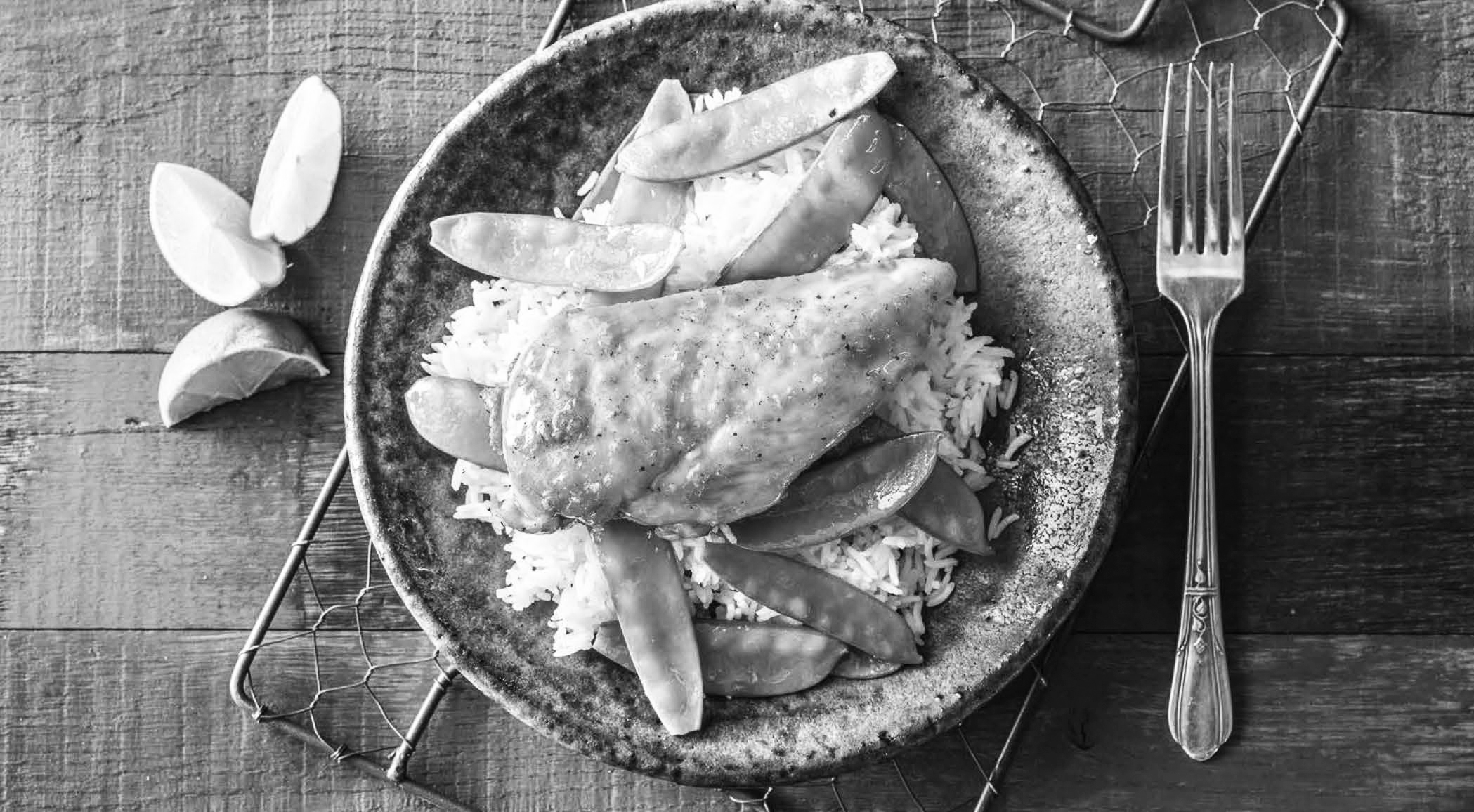
Sweet-As-Honey Chicken

Photo courtesy: Hello Fresh

with Snow Peas over Jasmine Rice


By Hello Fresh


Cooking Time: 30 mins

Servings: 4

Nutrition: 510 Calories

Ingredients:

  • Garlic- 4 cloves
  • Lime- 1
  • Snow Peas- 8 oz
  • Ginger- 1 thumb
  • Jasmine Rice- 1 cup
  • Chicken Breasts- 24 oz
  • White Wine Vinegar- 3 tbsp
  • Soy Sauce- 2 tbsp
  • Chicken Stock Concentrate- 2
  • Honey- 2 oz


1  PREP.  Wash and dry all produce. Bring 1 cup water and a pinch of salt to a boil in a small pot. Mince garlic. Cut lime into wedges. Trim half the snow peas (use the rest as you like). Peel, then mince ginger until you have 1 TBSP.

COOK RICE AND CHICKEN.  Once water boils, add rice to pot. Cover and reduce to a simmer. Cook until tender, 15-20 minutes. Meanwhile, heat a drizzle of oil in a large pan over mediumhigh heat. Season chicken all over with salt and pepper. Add to pan and cook until browned and no longer pink in center, 4-5 minutes per side. Remove from pan and set aside.

3  COOK AROMATICS.  Reduce heat under pan to medium low and add a drizzle of oil. Toss in ginger and garlic and cook until soŒ and fragrant, about 1 minute. Pour in 1½ TBSP white wine vinegar (we sent more) and let reduce until almost dry and evaporated.

MAKE GLAZE.  Stir soy sauce, 2 TBSP water, stock concentrate, and honey into same pan. Let simmer until mixture thickens to a glaze-like consistency, 2-3 minutes. Remove from heat, then return chicken to pan and toss to coat. Set aside until rest of meal is ready.

5  COOK SNOW PEAS.  Heat a drizzle of oil in a medium pan over medium heat. Add snow peas and cook, tossing, until tender but still a little crisp, 3-4 minutes. Season with salt, pepper, and a squeeze of lime.

6 PLATE AND SERVE. Divide rice between plates. Top with snow peas and chicken. Serve with lime wedges on the side for squeezing over.

Southwestern Stuffed Peppers

photo courtesy: Hello Fresh

with Ground Beef, Quinoa and Monterey Jack Cheese


By Hello Fresh


Cooking Time: 30 mins

Servings: 4

Nutrition: 710 Calories

Ingredients:


  • Chicken Stock Concentrate- 2
  • Yellow Onion- 2
  • Scallions- 4
  • Lime- 2
  • Quinoa- 1 Cup
  • Ground Beef- 16 oz
  • Southwest Spice Blend- 2 tsp
  • Red Bell Pepper- 2
  • Yellow Bell Pepper- 2
  • Crushed Tomatoes- 2 Boxes
  • Monterey Jack Cheese- 1 Cup


1 PREHEAT AND PREP Wash and dry all produce. Preheat oven to 400 degrees. Bring 1 cup water, stock concentrate, and a pinch of salt to a boil in a small pot. Halve, peel, and dice onion. Trim, then thinly slice scallions. Cut lime into wedges.


2  COOK QUINOA  Once water is boiling, add quino to pot. Cover, lower heat, and reduce to a simmer. Cook until tender, 15-20 minutes.


3 START FILLING  Heat a drizzle of olive oil in a large pan over medium-high heat. Add onion and scallions and cook, tossing, until softened, 4-5 minutes. Season with salt and pepper. Add ground beef, breaking up meat into pieces. Cook until browned, 3-4 minutes. Stir in Southwest spice blend and cook until fragrant, about 30 seconds. Season with salt and pepper.


4  PREP AND ROAST PEPPERS While onions and beef cook, halve bell peppers lengthwise, then remove white ribs and seeds. Rub with a drizzle of olive oil, then season with salt and pepper. Place on a baking sheet. Roast in oven until softened, 5-7 minutes. Once cool enough to handle, arrange bell peppers cut-side up on baking sheet.


5 FINISH FILLING  Stir crushed tomatoes into pan with beef and bring to a simmer. Let simmer until flavors have come together and tomatoes have reduced slightly, about 5 minutes. Once quinoa has finished cooking, add it to pan and stir to combine. Season with salt and pepper.


6 BAKE AND SERVE  Stuff bell peppers with as much filling as will fit. Sprinkle Monterey Jack cheese over top of each. Return to oven and continue roasting until very soft, about 10 minutes. Divide remaining filling between plates, then place stuffed peppers on top. Serve with lime wedges on the side for squeezing over.

Patients, Doctors and Researchers Embracing New Plan to Deal with COPD

By StatePoint

Chronic obstructive pulmonary disease (COPD), a lung disease that afflicts millions of Americans, haunts families, and frustrates doctors and researchers, is now the third leading cause of death in the US, behind heart disease and cancer, costing Americans more than $32 billion a year.

For those living with or affected by the disease, there is new hope, thanks to a recently unveiled COPD National Action Plan.

Developed by patients, agencies and organizations under the stewardship of the National Heart, Lung, and Blood Institute (NHLBI), the Action Plan shines a spotlight on the devastating physical and emotional toll the disease causes.

“Not being able to catch your breath and fearing your next breath may not come is just like drowning,” said Grace Anne Dorney Koppel, president of the COPD Foundation and a longtime COPD patient. “It is frightening beyond words and feels very, very lonely.”

Yet many with these symptoms tend to attribute them to something else: the common cold, old age, being out of shape. This lack of awareness delays diagnosis and treatment, worsening the condition and quality of life. Even mundane tasks — housework, bathing, dressing, walking — can feel onerous.

That’s why the first goal of the plan is to empower patients and families to recognize COPD and get treated quickly.

“I was diagnosed in 2001 and was told COPD is incurable,” said Dorney Koppel. “But that does not mean [it is] untreatable. Doctors need to teach patients the difference. I was given three to five years to live…sixteen years ago.”

Compounded with this misinformation is the idea that it’s exclusively a smoker’s disease mainly affecting men. While it most often affects people over 40 with a history of smoking, as many as one in four with COPD have never smoked. Long-term exposure to substances that irritate the lungs or a genetic predisposition called alpha-1 antitrypsin (AAT) deficiency also present as risk factors. What’s more, 56 percent of those diagnosed are women, and they die of COPD more than men.

Unlike heart disease and cancer, COPD prevalence and deaths aren’t decreasing. One in five people over age 45 has it.

“You know someone who has it. You may even have it and not know it,” said James P. Kiley, director of NHLBI’s Division of Lung Diseases.

So how to reverse this trend? One key is improving the level of diagnosis. “Spirometry is a simple and inexpensive breathing test that can identify COPD,” said Dorney Koppel.

MeiLan Han, M.D., medical director of the Women’s Respiratory Health Program at the University of Michigan, agreed, noting another goal of the Action Plan: to equip health care professionals with tools to diagnose and care for COPD patients. “We need to develop easy-to-follow guidelines and get them into the hands of providers on the frontlines.”

Developing an educational curriculum and tools for clinical decision-making, in sync with detection and management guidelines, will significantly improve diagnosis and care, said Han. So will improving patient access to spirometry, pulmonary rehabilitation, smoking cessation programs and affordable medications — all of which are called for in the plan.

To learn more about the Action Plan and find out how to get involved, visit COPD.nih.gov.

“This plan represents a new understanding of what it takes to minimize the burden of COPD,” said Gary H. Gibbons, M.D., director of NHLBI. “Now, it’s just a matter of getting to work.”


Get Your Groove Back!

Photo Courtesy: Created by Boryanam – Freepik.com

By Craig “Deuce” Doussett MPH, RDN

Eating, moving, and sleeping! Which is more important to overall health? Which of these three aspects of our daily lives will help us become the people we want to be?

Unfortunately, no easy to quantify order has been established as all three factors affect and synergize with the others. We are in equal control of these three components and, while many outside perturbations can make any one of the three more difficult, they afford us a 24-hour opportunity (circadian cycle) to maximize our health and happiness. This article will focus mainly on the sleep portion of our “Circadiome” and explain how to improve habits that bestow health. The first strategy to improve sleep benefit is alcohol moderation. Avoiding over consumption of alcoholic drinks is one of the most effective strategies to improve sleep and improve immune function. While some alcohol can help induce sleep, any more than two drinks can actually cause sleep disruption and dysregulation of sleep cycles. Alcohol contributes to frequent wakenings and night sweats. Over consumption of alcohol also drastically reduces the regulatory effect the brain has on gene expression and hormonal function. We literally make less genetic messengers (which regulate our biological clocks) when we overindulge in alcohol.

The second aspect is the foods we eat during the day and right before bedtime. For the vast majority of us, eating three or four hours before bedtime can greatly contribute to a more restful sleep. There are many individuals; however, who may benefit from a healthy snack right before bed. In these cases, avoid fried foods and foods with high fat content. These foods digest slower and give off continuous stomach acid causing sleep disturbing heartburn. Also limit overly spicy and processed foods. Much better choices would be lower fat versions of cheese or yogurt and nuts, seeds, bananas, and eggs. These foods seem to provide vital minerals and B vitamins that can contribute to the sleep cycle.

Try and go to bed at the same time every night. This can be very hard on weekends and holidays but is very important to try and match bedtime consistently tire yourself out. Exercise, physical activity, and being up and about are very important to restful sleep. Some individuals can exercise near bedtime and others have to plan exercise for earlier in the day. Experiment to find the perfect regimen!

Watch the amount of caffeine that is being consumed. Caffeine is great for early day motivation and energy but can hamper bedtime activities.

Make the bedroom a refuge. Try and keep from turning your bedroom into a second dining or living room by banning snacks and drinks form the bedroom. Also, make the room dark and relaxing, too much stimulation (sorry smart devices) can delay bedtime and rob you of precious rest.

Try sleep aids (go natural). There are a variety of sleep aids that can be useful to enhance the techniques mentioned above and many can be used safely with most ages. Some of the most widely used herbs and supplements are valerian, lavender, lemon balm, chamomile, and melatonin. Follow the instructions on the bottle and avoid overuse. As 7/12/2017 Clarks Nutrition and Natural Foods Markets :: Get Your Groove Back! http://clarksnutrition.com/index.php/blog/newsletters/2016/04/live-better-health-tip# 2/2 with all supplements discontinue use if symptoms of nausea, headache, or stomach upset arise and always make sure your doctor is aware of the supplements you take for possible interactions.

There is a reason we sleep a third of our lives. It is responsible for a third of our success. Be rested and be happy!

Disclaimer: Clark’s Nutrition is neither associated with nor profits from the above-linked pure-science project.

Craig “Deuce” Doussett MPH, RDN (mailto:website@clarksnutrition.com)

Southwestern Stuffed Peppers

with Ground Beef, Quinoa and Monterey Jack Cheese


Photo courtesy: Hello Fresh

By Hello Fresh


Cooking Time: 30 mins

Servings: 4

Nutrition: 710 Calories

Ingredients:


  • Chicken Stock Concentrate- 2
  • Yellow Onion- 2
  • Scallions- 4
  • Lime- 2
  • Quinoa- 1 Cup
  • Ground Beef- 16 oz
  • Southwest Spice Blend- 2 tsp
  • Red Bell Pepper- 2
  • Yellow Bell Pepper- 2
  • Crushed Tomatoes- 2 Boxes
  • Monterey Jack Cheese- 1 Cup

1 PREHEAT AND PREP Wash and dry all produce. Preheat oven to 400 degrees. Bring 1 cup water, stock concentrate, and a pinch of salt to a boil in a small pot. Halve, peel, and dice onion. Trim, then thinly slice scallions. Cut lime into wedges.

2  COOK QUINOA  Once water is boiling, add quino to pot. Cover, lower heat, and reduce to a simmer. Cook until tender, 15-20 minutes.

3 START FILLING  Heat a drizzle of olive oil in a large pan over medium-high heat. Add onion and scallions and cook, tossing, until softened, 4-5 minutes. Season with salt and pepper. Add ground beef, breaking up meat into pieces. Cook until browned, 3-4 minutes. Stir in Southwest spice blend and cook until fragrant, about 30 seconds. Season with salt and pepper.

4  PREP AND ROAST PEPPERS While onions and beef cook, halve bell peppers lengthwise, then remove white ribs and seeds. Rub with a drizzle of olive oil, then season with salt and pepper. Place on a baking sheet. Roast in oven until softened, 5-7 minutes. Once cool enough to handle, arrange bell peppers cut-side up on baking sheet.

5 FINISH FILLING  Stir crushed tomatoes into pan with beef and bring to a simmer. Let simmer until flavors have come together and tomatoes have reduced slightly, about 5 minutes. Once quinoa has finished cooking, add it to pan and stir to combine. Season with salt and pepper.

6 BAKE AND SERVE  Stuff bell peppers with as much filling as will fit. Sprinkle Monterey Jack cheese over top of each. Return to oven and continue roasting until very soft, about 10 minutes. Divide remaining filling between plates, then place stuffed peppers on top. Serve with lime wedges on the side for squeezing over.

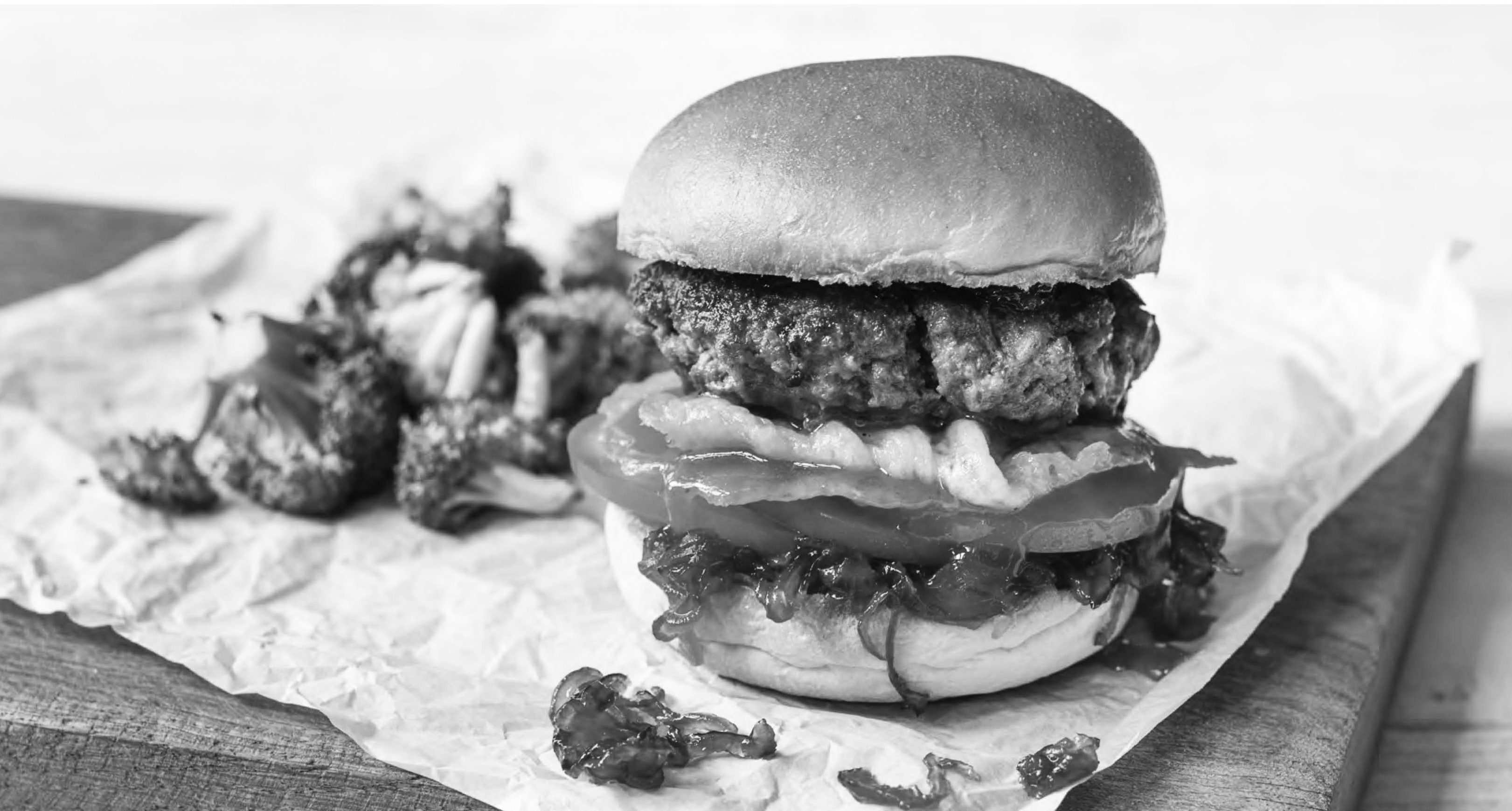
Crispy Cheddar Frico Cheeseburgers

Photo courtesy: Hello Fresh

with Caramelized Onion Jam and Roasted Broccoli

By Hello Fresh


Cooking Time: 30 mins

Servings: 4

Nutrition: 810 Calories

Ingredients:


  • Red Onion- 1
  • Roma Tomato- 2
  • Brioche Buns- 4
  • Ground Beef- 20 oz
  • Broccoli Florets- 16 oz
  • Sherry Vinegar- 2 tbsp
  • Cheddar Cheese- 1 cup
  • Ketchup- 4 tbsp


  1. PREHEAT AND PREP.  Wash and dry all produce. Preheat oven to 425 degrees. Halve, peel, and thinly slice onion. Slice tomato into rounds. Split buns in half. Shape beef into two evenly sized patties.
  2. ROAST BROCCOLI. Toss broccoli on a baking sheet with a drizzle of olive oil and a pinch of salt and pepper. Roast in oven until slightly crispy, 15-20 minutes.
  3. MAKE ONION JAM. Heat a drizzle of olive oil in a large pan over medium-high heat. Add onion and cook, tossing, until soft, 5-6 minutes. Stir in 1 TBSP sherry vinegar (we sent more) and 1 tsp sugar. Simmer untilliquid is nearly evaporated, 1-2 minutes. Season with salt and pepper. Remove from pan and set aside.
  4. MAKE CHEDDAR FRICO Line another baking sheet with parchment paper. Place cheddar on it in two even piles. Bake in oven until melted in middle and crispy at the edges, 5-7 minutes. TIP: If you don’t have parchment, that’s OK. As soon as the frico come out of the oven, transfer to a plate to cool using a spatula.

5 COOK BURGERS Meanwhile, heat a drizzle of olive oil in same pan over medium-high heat. Season beef patties all over with salt and pepper. Add to pan and cook to desired doneness, 3-6 minutes per side. Meanwhile, carefully remove frico from baking sheet, then place buns on sheet. Toast in oven until golden, 3-4 minutes.

6 ASSEMBLE BURGERS Place burgers, onion jam, tomato slices, ketchup, and a cheddar frico inside each bun. Serve with broccoli on the side.

Optimus Prime

By Craig “Deuce” Doussett MPH, RDN, Clark’s Nutrition

The vast majority of us want cut-and-dried answers. We want to know what the best supplements are, how much sleep to get, the right amount of water to drink, the best foods to consume in their proper ratios and times, and the most effective exercises and peak times to perform them. We desire to know the “best” (optimum) and “first in order” (prime) information to make our lives productive, rewarding, and free from distracting demands. In this spirit, here are a few answers that are steeped in science.

  1. Water is fairly easy, drink when thirsty and avoid darkly colored urine. While overhydration is not as common as dehydration, it can be just as dangerous, so drink plenty of water and always plan ahead. Stock up on water and have plenty of stainless steel or glass water containers on hand. As for food, Michael Pollan succinctly stated, “Eat food, not too much, mostly plants”. It does not matter what food camp we align with if the above dictum is ignored. One caveat, protein should be at every meal, carbs early in the day or after training, and fats in the afternoon. Protein powders can be excellent additions to busy lifestyles seeking simplified and salubrious solutions.
  2. Sleep seven to nine hours a night! In most individuals, less or more than this amount may result in overeating (non-homeostatic appetite), a decrease in resting metabolic rate, and hyperglycemia (high blood sugar [glucose]). All of the aforementioned conditions lead to weight gain and compromised immune systems. Experiment with natural and safe sleep aids such as melatonin (inform your physician), magnesium (with added L-Threonine to access neural tissue more effectively), and herbal teas such as valerian, chamomile, or hops.
  3. Exercise? A combination of cardiovascular exercise (running, swimming, biking etc.), resistance training (busting the weights), and high intensity interval training (HIIT), (start/stop movements cycled through power intervals) is best. Cardio is not only for heart health, it provides our brains with an influx of oxygen and nutrients, further increasing our odds of staving off forms of dementia and depression. Resistance training three time weekly (for skeletal and mitochondrial biogenesis) prepares the body for the demands of both daily and future life. Lastly, HIIT (flexibility, and lymphatic fluid movement) is an excellent way to challenge oneself and experience fat-burning and toning benefits simultaneously.
  4. When to work out? The short answer is whenever you enjoy it the most and will make it a lasting habit. The science shows, all things being equal, the afternoon is the best time. Firstly, in the afternoon our skeletal muscle is naturally less sensitive to insulin and exercise sensitizes our body to accept glucose and clear blood sugar before it moves to fat tissue to be repartitioned. Thus, afternoon exercise can help avoid a phenomenon known as “Afternoon diabetes”. Better sugar control means muscles perform better and longer. Secondly, while testosterone is higher in the morning, so is cortisol which is a hormone that can have delimitating effects on training adaptation. In the afternoon, the testosterone to cortisol ratio is improved (it is lower). Thirdly, we must consider our core temperature which is optimum in the afternoon for both genetic expression and mitochondrial output. Working out in the cold of morning means brains, muscles, cells, and bodily fluids are all at their slowest. Spoiler alert: there is a reason world records get broken in the afternoon.

Sometimes, it is best, in the face of undecided science, to follow the example of a certain brightly colored, anthropomorphized semi-truck and simply “Roll Out”! We do the best we can with the data we have until our choices are sufficiently challenged or our goals change. Ask a nutritional consultant to assist you in making your individualized approach to a healthy lifestyle.


Do You Practice Safe Sun Habits?

By StatePoint

Summertime is all about trips to the pool, beach and park. And it also means time spent in the sun.

Over the past three decades, more people have had skin cancer than all other cancers combined, according to The Skin Cancer Foundation, making proper sun protection a must. As you enjoy time outdoors, it’s important to understand and follow sun safety guidelines.

Sun Protection for Families

A new survey reveals some surprising facts.

When moms with children younger than 18 were asked about the correct amount of sunscreen needed to apply to the face and body, fewer than half knew the right amount. And nearly two in 10 were unaware that after an initial slathering of sunscreen, they needed to reapply more. So says a new survey of moms commissioned by NO-AD Sun Care.

“The correct amount of sunscreen to be applied — or reapplied — is one ounce,” says Brevard, Florida-based dermatologist, Dr. Richard C. Kirkpatrick. “Think of a shot glass of sunscreen or an amount the size of a golf ball.”

Parents should apply a broad-spectrum sunscreen to themselves and children 15 minutes before going out in the sun to give it time to bond to skin, and then reapply at least every two hours or after swimming, sweating and immediately after towel drying.

More than half of moms responding believe the proper time to apply sunscreen is as soon as they start feeling skin burn.

“By the time you feel your skin burning, the sun’s UV rays are damaging your cells’ DNA. Skin cancers get a foothold when this damage affects the DNA of genes that control skin cell growth,” says Dr. Kirkpatrick.

The cost of sun protection may become a concern as families begin to apply the proper amount of sunscreen. If that is the case, one cost effective choice is NO-AD, which offers a selection of products that are affordable and widely available.

Sun Protection for Women

Beautiful summer skin is all about making safe sun care a habit. A routine is easier when you find products you will love to use. Look for lightweight, fast-absorbing formulas comprised of ingredients that have benefits for skin. For example, Ocean Potion offers formulas with sea kelp, Vitamins D3 and E, and a pleasant orange cream scent. The line is PABA-free, (which is an allergen for some people.) For those who want to avoid the sun altogether, a self-tanner such as Ocean Potion EverGlow, can help you get the sun kissed look without the exposure.

Don’t let summer fun distract you from protecting skin from harmful UV rays, every time you leave the house.


Prosciutto-Wrapped Chicken

with Risotto Primavera

By Hello Fresh

Cooking Time: 30 mins

Servings: 4

Nutrition: 730 Calories

Ingredients:

• Chicken Stock Concentrate- 2

• Garlic- 2 cloves

• Shallot- 2

• Grape Tomatoes- 8 oz

•Sage- 1/4 oz

• Arborio Rice- 1 1/2 cups

• Chicken Breasts- 24 oz

•Prosciutto- 4 oz

•Spinach- 10 oz

•Parmesan Cheese- 1/2 cup

1 PREHEAT AND PREP Wash and dry all produce. Preheat oven to 400 degrees. Bring 4 cups water and stock concentrate to a boil in a medium pot. Once boiling, reduce heat to low. Meanwhile, slice garlic crosswise as thinly as possible. Halve, peel, and mince shallot. Halve tomatoes lengthwise. Pick sage leaves from stems. Add stems to stock and set aside leaves.

2 START RISOTTO Heat a large drizzle of oil in a large pan over medium heat. Add shallot and garlic. Cook until softened, 1-2 minutes. Add rice and cook until translucent, 1-2 minutes. Add stock ½ cup at a time, stirring after each addition. Allow rice to absorb most of stock before adding more. Continue until grains are al dente and creamy, 30-35 minutes.

3 PREP CHICKEN Pat chicken dry with paper towel. Lay 2 slices of prosciutto beside each other on a flat surface. Place a chicken breast at one end. Tightly roll prosciutto around chicken. Repeat with another 2 slices and the other chicken breast. Set aside remaining prosciutto.

4 COOK CHICKEN Heat a drizzle of oil in a medium pan over medium-high heat (use an ovenproof pan if you have one). Add wrapped chicken to pan and sear until golden brown, 2 minutes per side. Transfer pan to oven and roast until chicken is firm and no longer pink in center, about 15 minutes. TIP: If your pan isn’t ovenproof, transfer chicken to a small baking dish before putting in oven.

5 WARM VEGGIES With 5 minutes to go on risotto, add tomatoes and spinach to pan (rice should be a bit shy of al dente at this point). Stir to combine. Cook until spinach has wilted and tomatoes have softened, about 5 minutes. While veggies cook, thinly slice remaining prosciutto.

6 FINISH AND PLATE Stir sliced prosciutto, 1 TBSP butter, Parmesan, and any juices from pan with chicken into risotto. Season to taste with salt and pepper. Slice chicken crosswise. Divide risotto between plates and top with chicken. Garnish with sage leaves to taste.

How to Best Cope with Summer Heat: Be Weather Ready

By StatePoint

Summer can be hot, sticky and downright uncomfortable. It can also be dangerous if you are not prepared.

Cope with the heat this summer and stay healthy and safe with these helpful tips.

• Maintain your air conditioner. The last thing you need is a broken air conditioner on a hot day. Regular maintenance of your unit can help ensure it will work all summer long. The easiest, and perhaps most important, maintenance task you can perform yourself is to clean or change the filter routinely. For more complicated tasks, you may wish to hire a professional technician. Likewise, you’ll want to be sure your car’s air conditioner is in good working order, particularly before a major road trip or heat wave.

• Stay informed with accurate weather information. Accurate weather information is one of the best ways to make informed decisions and be prepared for daily outdoor activities, family vacations and travel plans. Consider a source recognized for its superior accuracy – the AccuWeather app can be a good go-to resource not only this summer, but year-round, to help keep you safe. It features AccuWeather MinuteCast, an exclusive minute-by-minute precipitation forecast for the next two hours specific to your exact GPS location. Plus, the app’s AccuWeather RealFeel feature lets you know how it actually feels outside so you can properly plan for outdoor summer activities and the day ahead – from what to pack to what to wear. If you’re constantly on the go, don’t worry, because the app delivers severe weather push alert notifications that can help keep you safe and better prepared for anything that comes your way. The award-winning AccuWeather app is available on all of Android mobile devices, as well as on iOS, for free.

• Know what to wear. During the summer, lightweight, light-colored, loose-fitting clothing can make all the difference to your comfort. The less fabric you have actually touching your body, the cooler you will be.

• Schedule outdoor activities carefully. During periods of intense heat, stay indoors and, if at all possible, remain in an air-conditioned location. If your home does not have air conditioning, consider going to a shopping mall or public library for a few hours – spending time in air conditioning will help your body stay cooler once you go back out into the elements. Limit your outdoor activities to morning and evening hours when it’s cooler.

• Stay hydrated. Summer fun often means being outdoors, but listen to your body and take breaks to rest, rehydrate and cool off. Bring water or a sports drink with you when you are exercising, at the pool or even just making your way around town. Make sure to avoid alcohol and caffeine, as they can quickly dehydrate you.

With up-to-the-minute knowledge at your fingertips and the right preparation, you will be ready to cope with heat and all weather conditions the summer season brings.

Natural Ways to Support Infant Health During Pregnancy

Photo courtesy: (c) pololia – Fotolia.com

By StatePoint

In the last 10 years, scientists have learned that having enough beneficial gut bacteria is a critical component of overall health. Now, research shows that ensuring newborns have sufficient exposure to probiotic bacteria during infancy and early childhood can give them a head start on lifelong wellness.

What makes bacteria so important? Well, with nearly 80 percent of the immune system residing in the gut, a healthy microbial makeup from birth is essential for proper immune system development and optimal digestive, metabolic, and brain function.

When looking to encourage a healthy infant microbiome (AKA the array of bacteria and microorganisms in the body), science tells us that the mother’s gut health is key.

Here’s how it works: during pregnancy, babies are exposed to their mother’s bacteria in the placenta, which harbors a variety of microbes. A baby’s immune system begins to develop just after birth, during which a mother passes on her beneficial bacteria to her child (often termed “seeding the microbiome”) as he or she passes through the vaginal canal and partakes in breast milk and skin-to-skin contact.

Then, through an interactive connection between host cells and the baby’s brand new gut microbiome (inherited directly from the mother), helpful microorganisms selectively colonize the gut and participate in the maintenance and promotion of the child’s immune system.

Expecting and nursing mothers can be proactive by ensuring their gut health is in tip-top condition, since the microbes they pass on to their infant can help establish a solid foundation for lifelong health.

In addition to directly replenishing their good bacteria, moms should do their best to stay well-rested and properly hydrated while paying close attention to their diet. Focusing on getting proper prenatal nutrition in the form of whole and plant-based foods, especially those rich in prebiotic fiber is important. It’s also helpful to be mindful of factors that deplete good bacteria, like antimicrobials, stress, environmental toxins and exposure to unnecessary antibiotics.

Many doctors, midwives and other experts are touting the health benefits of one supplement for expecting and new mothers believed to increase a child’s chances for a healthy start at life: probiotics.

“As a mom, the best gift you can give your baby is a healthy microbiome,” says Jamie Morea, co-founder of Hyperbiotics, a company that specializes in probiotic supplements and has developed the first probiotic formula designed specifically for pregnant and breastfeeding women.

Hyperbiotics PRO-Moms includes time-release delivery for enhanced effectiveness, ensuring the living organisms survive stomach acids to colonize within the gut.

Not only can probiotics help with digestive discomfort during pregnancy, but an effective supplement can repopulate a mother’s system and help ensure she is passing on the best and most beneficial bacteria to her children.

To learn more about how to support optimal gut health for moms and babies, visit hyperbiotics.com or join the conversation on social media at #followyourgut.

Because gut and microbial health have an overwhelming impact on lifelong wellness, tending to it while expecting is one of the most important things to consider for mothers-to-be in order to properly pave the path of health for little ones.


News Tips To Ease Recovery From Addiction

PHOTO SOURCE: Kaspars Grinvalds – Fotolia.com

By StatePoint

Those recovering from an addiction know what a major challenge the process can be on the body and mind, as well as on the wellness of friends and family supporting your endeavor.

While a physician should be consulted in working out a recovery plan, there are steps one can personally take to smooth the road ahead.

Thinking Positively

Recovery is an ongoing process, and won’t be resolved overnight. Knowing this can help you stay motivated when the going gets tough. Acknowledging but also forgiving yourself for past mistakes is a good place to start.

Including family and friends who have been affected by your addiction in this healing process is important.

Feeling Your Best

Addiction puts major stress on the mind and body. Good nutrition and proper sleep can restore your body’s systems and processes.

Seek out a diet that contains probiotics, which replenish the digestive system with beneficial bacteria that may have been depleted as a result of toxins and chemical overload, poor diet, bodily stress and overall poor digestive health. B-vitamins are needed to energize metabolism and proper cell and muscle function, and fish oil with omega-3 fatty acids is proven to support cognitive function and brain health, joint health, heart health, eye health and more.

However, keep in mind that it can be difficult to satisfy all of one’s nutritional needs under normal circumstances, and can be even more challenging when your body is recovering from addiction. In addition to a healthy diet, consider seeking out supplements designed specifically for people in recovery, such as Recovery24, which was developed by addiction recovery experts and a board-certified nutritionist. Recovery24 is designed to replenish your body’s nutrients and support sleep, energy, healthy digestion, and overall well-being around the clock. The special formulation contains key nutrients such as probiotics, B-vitamins, fish oil, chamomile, jujube fruit, lemon balm leaf, phosphatidyl serine and antioxidants. The A.M. packs are taken with the first meal of the day and support sustained energy and mental focus. The P.M. Packs are taken 30 minutes before you go to sleep and support a calm, restful sleep.

The road to recovery is challenging and loved ones may also experience their own stresses, sleeplessness and nutritional gaps. Recovery24 supplements are safe and effective even for those not in recovery. More information can be found at TryRecovery24.com.

Get Active

Your road to recovery should involve new hobbies and interests. Start with some fun, physical activity to get your body moving, get healthier and boost endorphins. Whether it’s training for a 5k or joining a pick-up game of basketball in the park, exercise is a crucial component to your overall wellness.

Get Involved

Consider joining other local organizations — from being an involved member of a religious congregation to participating in a local volunteer group to taking art or music classes at a community center. It’s important to stay focused on positive, healthy activities and goals, and make friends and connections with people who are doing likewise.

Experts know that addiction recovery requires a multifaceted approach that addresses the mind, the soul and the body. While recovering from addiction, take the best care of yourself possible to support your goal.

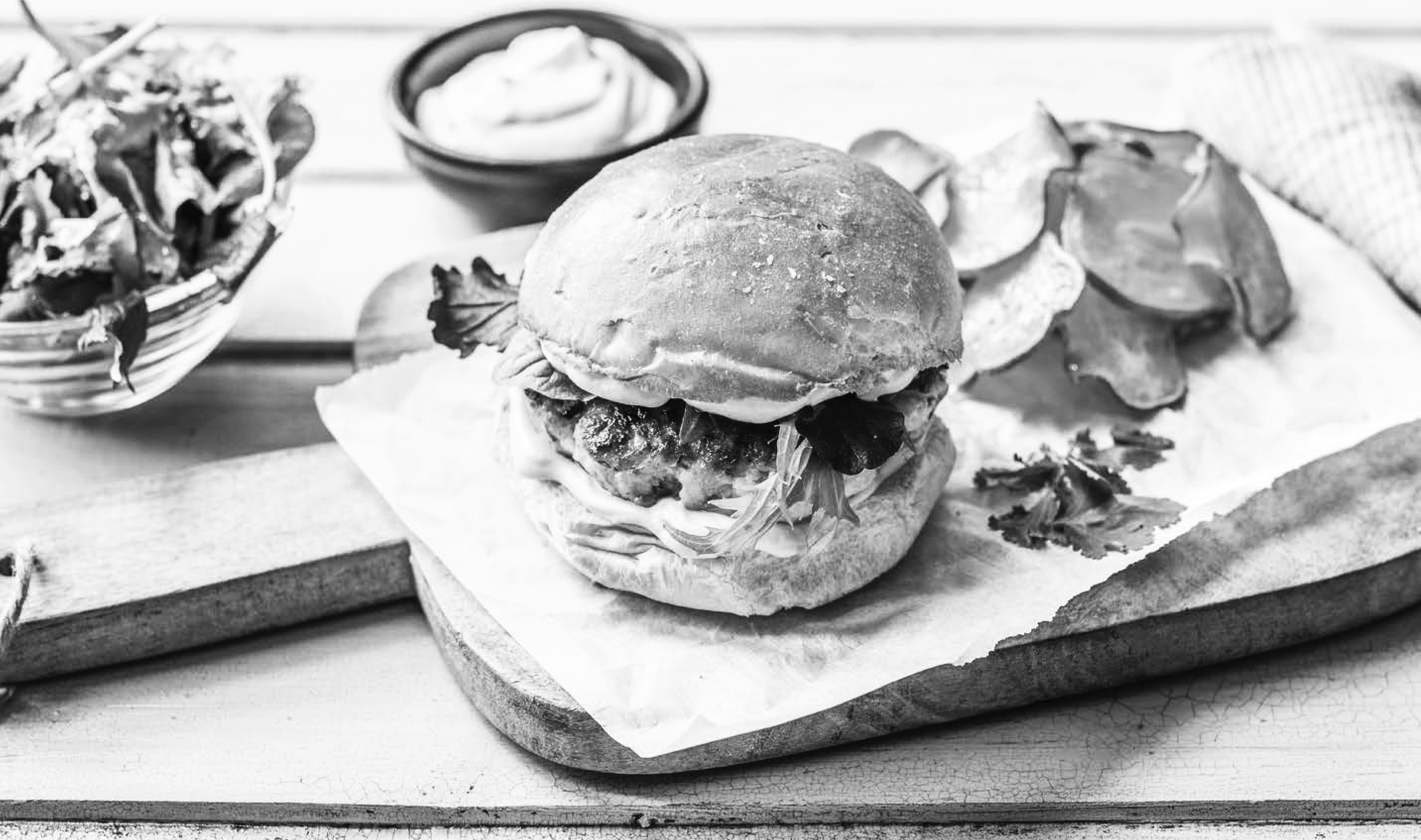
Melty Monterey Jack Burgers

Photo courtesy: Hello Fresh

with Red Onion Jam and Zucchini Fries


By Hello Fresh

Cooking Time: 35 mins

Servings: 4

Nutrition: 860 Calories

Ingredients:

  • Garlic- 2 cloves
  • Red Onion- 1
  • Zucchini- 2
  • Mayonnaise- 3 tbsp
  • Balsamic Vinegar- 4 tbsp
  • Panko Breadcrumbs- 1/2 cup
  • Dried Oregano- 2 tsp
  • Ground Beef- 16 oz.
  • Monterey Jack Cheese- 1 cup
  • Potato Buns- 4
  • Ketchup- 4 tbsp


  1. PREP Wash and dry all produce. Preheat oven to 450 degrees. Mince or grate garlic until you have ¼ tsp (you may have a clove left over). Halve, peel, and thinly slice onion. Cut zucchini into

3-inch-long pieces, then halve each piece lengthwise. Cut each into thin wedges.


  1. MAKE AIOLI In a small bowl, mix together 1½ TBSP mayonnaise (we sent more) and as much of the garlic as you like. Season with salt and pepper.


3 MAKE ONION JAM Heat a drizzle of oil in a large pan over medium heat. Add onion and cook until caramelized, 8-10 minutes, tossing occasionally. Stir in balsamic vinegar and 1 tsp sugar. Continue cooking until syrupy, 1-2 minutes more. Season with salt and pepper. Remove from pan and set aside in another small bowl.


4 MAKE ZUCCHINI FRIES While onions are cooking, toss together zucchini and ½ TBSP aioli in a medium bowl until wedges are evenly coated. Add panko, oregano, and a large pinch of salt and pepper and toss so that crumbs stick to zucchini. Spread on a lightly oiled baking sheet. Bake in oven until panko is golden-brown, about 15 minutes, tossing halfway through. TIP: It’s OK if not all the breadcrumbs stick.


5 TOAST BUNS AND MAKE SALAD Split buns down center, then place on baking sheet with sweet potatoes to toast, 2-3 minutes. In another large bowl, whisk together a pinch of ginger, a pinch of garlic, and a drizzle of oil. Season with salt, pepper, and more garlic and ginger (as desired). Add spring mix and toss to coat.


6 FINISH AND SERVE Spread a little sriracha mayo on each bun, then top with a burger and remaining cilantro. Serve with salad, sweet potato, and any remaining sriracha mayo for dipping on the side. TIP: Add a little salad to your burger, if desired.

5 Simple Ways to Naturally Relieve Bloating

By StatePoint


Bloating is not only uncomfortable, but it can be particularly inconvenient when you want to look and feel your best in the summer.

While symptoms can seem unpredictable, there are simple and natural ways you can prevent and relieve both bloating and gas.

  • Up your fiber. You’ve probably heard that fiber is essential for your digestive system. What you may not know is that certain types of fiber called prebiotics feed the bacteria in your gut. Without enough of it, your microbial diversity can be limited, negatively impacting your ability to break down and metabolize food. Examine your diet and add whole foods rich in prebiotic fiber, or find a food-based prebiotic supplement to ensure you’re getting enough each day.
  • Eat mindfully. Overeating, as well as eating too quickly, causes air to get trapped in your digestive tract. Eat mindfully and slowly. It’ll help you feel fuller faster and keep your abdomen in-check.
  • Know yourself. Follow your gut and understand what works and what doesn’t for your body. From gluten and dairy to nuts and fried foods, and way too much sugar in just about everything made in a factory, it’s important to bring awareness to how your body handles certain ingredients. A holistic-minded, general medical practitioner can help you identify the food sources that make your gut more likely to swell.
  • Consider digestive enzymes. The enzymes in your digestive system break down food so it can nourish your body. Sadly, the number of enzymes in your body decreases as you get older or more stressed out, which opens the door for gas, bloating and irregularity.

Consider taking an enzyme supplement or eating more enzyme-rich foods such as raw fruits and veggies. Also, be sure to find some time to shake off daily stress.

  • Support your microbes. Gas and bloating are inevitable if your gut health isn’t in great shape. Unfortunately, many aspects of modern life can deplete the beneficial bacteria we’re meant to have and create a microbial imbalance. The good news? Taking an effective probiotic supplement is one of the most powerful steps you can take toward achieving a lifestyle free of gas and bloating. Doing so can also support overall wellness, giving you more energy, improving digestion, strengthening your immune system, and even optimizing your metabolism.

Banish the bloat by trying a premium probiotic formula designed to survive stomach acids like Hyperbiotics PRO-15 which can now be found at your local Target store. With 15 different strains of health-enhancing bacteria and a patented time-released delivery method, the sensitive probiotic organisms are released over an eight-to 10-hour window so that they bypass the acidic environment of your stomach and arrive at their destination alive, where they can set up shop and get to work supporting your digestion at its core.

To learn more, visit hyperbiotics.com or join the conversation on social media at #followyourgut.

For a summer of confidence and comfort, take steps to support your wellness and relieve dreadful gas and bloating by focusing on your digestive health.

5 Camping Essentials for a Safe and Enjoyable Adventure

By StatePoint

More than 30 million Americans camp in tents yearly, according to the Outdoor Foundation. As with any outdoor adventure, having the necessary equipment is crucial.

Whether you’re hiking through backcountry or headed to an established campsite, this checklist will help you prepare for your expedition.


  1. Navigation

Approximately 9 million campers backpack to outdoor destinations, making navigation a top safety necessity. Remember that camping often means leaving behind cell coverage, Internet access or a GPS signal, making such low-tech gear as a compass and map mandatory. Other potential tools include a topographic map combined with an altimeter to help gauge your journey’s terrain and altitude.


  1. Insulation

Knowing climate and weather conditions is vital. According to Backpacker.com, clothing is just as important as a tent or sleeping bag to stay insulated. Outerwear should repel rain and snow, but also breathe so you don’t get wet from perspiration. Your base layer should be made of moisture-wicking fabric — not cotton — to prevent chafing. Consider that day and night temperatures can differ greatly, so layer clothing, and choose materials and thicknesses appropriate for your destination — and don’t forget a hat and extra socks.

Bring along T-Rex Clear Repair Tape to mend holes or tears in tents or clothing. It sticks to both wet and dry surfaces, ensuring an easy and instant fix to keep gear insulated in any weather condition.


  1. Illumination

Campers should always bring enough illumination to be able to safely see and move after sundown, especially in case you get delayed, lost or separated from the group. While flashlights are obvious choices, headlamps are popular, as they allow for hands-free operation, and are typically small and lightweight. Another feature to consider is a strobe lighting mode for emergency situations.

Extra batteries are essential as battery lighting was the most popular purchase among adult campers in 2014, according to the Outdoor Foundation. Available in single-use or rechargeable models, ideally the batteries should offer a balance of long duration, high performance and environmental friendliness.


  1. Emergency/First Aid Kit

Accidents happen to even the most experienced and best prepared campers. Your kit can prove invaluable if you, or another member of your group, are in a first-aid situation, need gear repaired or are under other tense conditions.

SectionHiker.com proposes supplies such as a pre-assembled first-aid kit, a multi-tool, knife, scissors, screwdriver and safety pins. You can then add other items based on preference and experience. A useful addition is a high-quality tape, like T-Rex Tape, as it can be used to repair hiking poles, patch sleeping bags, make a rope, temporarily stabilize an injury or broken boot, and more. T-Rex Clear Repair Tape can even be used to fix cracked GPS or phone screens and flashlights.


  1. Hydration and Nutrition

Food is an enjoyable part of camping, but deciding what to bring will depend on whether you’re backpacking miles to your site or camping near your car, as well as how many days you’ll be gone. If you’re trekking far, be prepared with lightweight and nourishing options.

Water is essential but heavy, so check the area for potential natural sources. “Mountaineering” suggests carrying a collapsible water reservoir and purification tablets to ensure water safety. Freeze-dried meals are popular selections, however, no-cook meals with long shelf lives are better in arid regions. Other possibilities include energy bars, nuts, dried fruits or jerky. Never leave out animal-attracting leftovers, as that could attract unwanted intruders.

“Essentials” are called so for a reason. Don’t be caught camping without proper supplies. With these necessities, it will be easy to prepare for and enjoy your next adventure in the great outdoors.

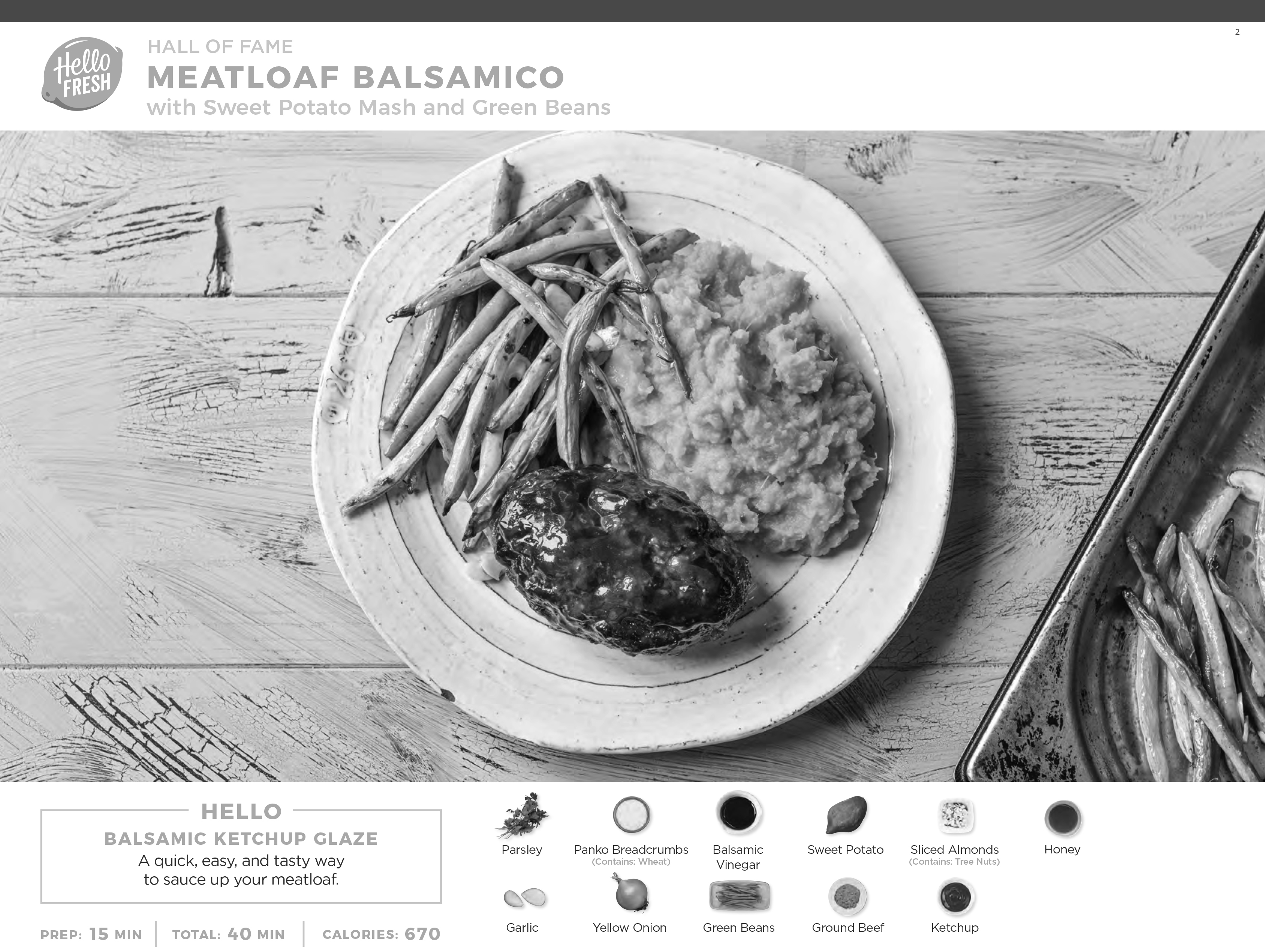
Meatloaf Balsamico

Photo courtesy: Hello Fresh

with Sweet Potato Mash and Green Beans

By Hello Fresh

Cooking Time: 40 mins.

Servings: 4

Nutrition: 670 Calories

Ingredients:


  • Garlic- 2 Cloves
  • Parsley- 1/4 oz
  • Green Beans- 12 oz
  • Yellow Onion- 1
  • Panko Breadcrumbs- 1/2 cup
  • Ground Beef- 16 oz
  • Balsamic Vinegar- 2 tbsp
  • Ketchup- 4 tbsp
  • Sweet Potato- 2
  • Honey- 4 tsp
  • Sliced Almonds- 1 oz


  1. PREHEAT AND PREP Wash and dry all produce. Preheat oven to 450 degrees. Mince or grate 1 clove garlic (we sent more). Chop parsley. Trim green beans. Halve and peel onion. Using a box grater, grate one half into a large bowl (use the rest as you like).
  2. BAKE MEATLOAVES Add garlic, parsley, panko, beef, and ½ tsp salt to bowl with onion. Season with pepper, then mix with hands to combine. Form into two 1-inch-tall loaves and place on a lightly oiled baking sheet. In a small bowl, mix 1 TBSP balsamic vinegar (we sent more) and ketchup, then brush onto meatloaves. Bake in oven until no longer pink in center, about 25 minutes total.

3 BOIL SWEET POTATO Peel and chop sweet potato into ½-inch cubes. Place in a large pot with a pinch of salt and enough water to cover by 2 inches. Bring to a boil and cook until easily pierced by a knife, about 10 minutes. Drain and return to pot.

4.  ROAST GREEN BEANS After meatloaves have baked 10 minutes, remove from oven. Toss green beans on same baking sheet with a drizzle of olive oil and a pinch of salt and pepper. (TIP: Use tongs to avoid burning your hands.) Return to oven and bake until meatloaves are cooked

through and green beans are slightly browned, about 15 minutes more.

5 MASH SWEET POTATO Mash sweet potato in pot with a fork or potato masher until mostly

smooth. (TIP: If potatoes have cooled, quickly reheat over medium-low heat.) Add 1 TBSP butter and honey. Continue mashing to melt butter and combine. Season generously with salt and pepper

6 FINISH AND SERVE When meatloaves and green beans are done, sprinkle almonds over

green beans and toss to combine. Divide meatloaves between plates and serve with sweet potato mash and green beans on the side

Pineapple Pork Chops

with Snap Peas and Jasmine Rice


By Hello Fresh


Cooking Time: 35 mins.

Servings: 4

Nutrition: 580 Calories

Ingredients:


  • Sugar Snap Peas- 12 oz
  • Shallot- 1
  • Lime- 2
  • Cilantro- ¼ oz
  • Pineapple- 2 Packs
  • Jasmine Rice- 1 Cup
  • Pork Chops- 24 oz
  • Honey- 4 tsp


  1. Prep ingredients. Wash and dry all produce. Bring ¾ cup water and a large pinch of salt to a boil in a small pot. Trim any tough ends from snap peas. Peel, halve, and mince shallot. Cut lime in half. Finely chop cilantro. Drain pineapple, reserving juice, and finely chop flesh.


  1. COOK RICE Once water is boiling, add rice to pot. Cover, lower heat, and reduce to a simmer. Cook until tender, 15-20 minutes. Remove from heat and keep covered until meal is ready


3 MAKE SALSA In a medium bowl, combine pineapple, 2 tsp shallot, half the cilantro, and juice from one lime half. Season with salt and pepper.


4 COOK PORK Heat a drizzle of olive oil in a large pan over medium-high heat. Season pork all over with salt and pepper. Add to pan and cook until it almost reaches desired doneness, 4-5 minutes per side. Stir in remaining shallot, honey, pineapple juice, and 2 TBSP water. Cook until pork is done, another 1-2 minutes. Remove from heat and stir in a squeeze of lime.


5 COOK SNAP PEAS Transfer pork and glaze to a plate; cover with foil to keep warm. Wipe out pan, then heat a drizzle of olive oil in it over medium-high heat. Add snap peas. Cook, tossing occasionally, until tender but still slightly crisp, 3-5 minutes. Season with salt and pepper.


6 FINISH AND PLATE Fluff rice with a fork , then stir in remaining cilantro and a squeeze of lime. Divide between plates, then top with snap peas, pork, glaze, and salsa.

Top Tips for Allergy Management

By StatePoint

Allergy symptoms can lead to a major disruption in quality of life. And unfortunately, they affect a lot of people. Nearly 60 million Americans suffer from allergic rhinitis (also commonly known as hay fever), according to the American College of Allergy Asthma and Immunology.

Luckily, many allergy sufferers are interested in learning more about what causes their allergies and how they can manage them. In fact, 70 percent of allergy sufferers say they wish they had a better understanding of the science behind their allergies, according to a recent survey of over 1,000 allergy sufferers in the US, which was sponsored by Sanofi Consumer Healthcare and conducted online using Toluna’s QuickSurveys methodology.

With that in mind, Sanofi is sharing some helpful information and tips for allergy sufferers to keep in mind this season.

• Know Your Triggers: Determine what allergens or “triggers” cause your symptoms, whether it’s pollen, pet dander, etc. While you may already have some idea of what triggers your symptoms, an allergist can give you a comprehensive check-up for a proper diagnosis.

• Avoid Exposure: If pollen is one of your triggers, check the pollen count before planning that picnic. If it’s your furry friend giving you grief, spend some time vacuuming your rugs and furniture. Once you know your triggers, take steps to avoid or minimize them whenever possible.

• Learn the Science behind Your Symptoms: When an allergy sufferer comes into contact with certain allergens, their body produces a variety of chemical responses that cause those symptoms that can make them feel miserable. According to the recent survey of allergy sufferers, more than half of them said histamine is the only chemical response to allergens that they are familiar with, but there are actually several — including leukotrienes, cytokines, prostaglandins and eosinophils. To relieve allergy symptoms, it’s important to stop these chemical reactions from taking place.

• Visit the Allergy Aisle: Several prescription strength treatment options are available over-the-counter for the relief of allergy symptoms. For example, Nasacort is a scent- and alcohol-free nasal spray that provides 24-hour relief of nasal allergy symptoms like sneezing, itchy runny nose and congestion for adults and children two years of age and older. It does this by stopping the body’s chemical responses to allergens and reducing inflammation in the nasal passages. To learn more and download a coupon, visit Nasacort.com.

This season, be proactive about your allergies. Educate yourself about your triggers and make sure you have an effective treatment on hand to provide symptom relief.