Category Archives: Healthy Living

One-Pan Orzo Italiano

with Chicken Sausage, Tomatoes, and Spinach


By Hello Fresh


Cooking Time: 30 mins

Servings: 4

Nutrition: 610 Calories

Ingredients:

  • Garlic- 2 cloves
  • Baby Spinach- 5 oz
  • Lemon- 1
  • Grape Tomatoes- 8 oz
  • Italian Chicken Sausage- 12 oz
  • Parsley- 1/4 oz
  • Orzo Pasta- 1 ½ cups
  • Italian Seasoning- 1 tbsp
  • Chicken Stock Concentrate- 2
  • Mozzarella Cheese- ½ cup
  • Panko Breadcrumbs- ½ cup
  • Parmesan Cheese- ½ cup


1  PREHEAT AND PREP.  Wash and dry all produce. Preheat broiler to high. Mince garlic. Finely chop spinach until you have 1 cup very packed spinach. Cut lemon in half; cut one half into wedges. Cut tomatoes in half. Remove sausage from casings of 2 links (use the other as you like). Pick parsley leaves from stems and finely chop; discard stems.

COOK SAUSAGE.   Heat a drizzle of olive oil in a large tall-sided pan over medium-high heat (use an ovenproof pan if you have one). Add sausage, breaking up meat into pieces. Cook until just browned, about 3 minutes.

3  START ORZOTTO.   Add tomatoes and garlic to pan with sausage. Cook, stirring occasionally, until tomatoes start to wilt, 2-3 minutes. Add ⅔ cup orzo and ½ TBSP Italian seasoning (we sent more of both). Cook, stirring, until orzo is coated in juices, 1 minute. Season with salt and pepper

FINISH ORZOTTO.   Add 2 cups water, stock concentrate, and a pinch of salt to same pan. Bring to a boil, then lower heat to medium. Let simmer, stirring occasionally, until orzo is almost al dente, 7-9 minutes. Stir in spinach and cook until wilted, about 3 minutes more. TIP: If mixture seems dry, add water ¼ cup at a time until loosened.

5  BROIL ORZOTTO.   Stir ¼ cup mozzarella (we sent more) and a squeeze of lemon into pan. Season with salt, pepper, and more lemon (to taste). (TIP: If your pan is not ovenproof, transfer mixture to a baking dish at this point.) Sprinkle panko and Parmesan over top of orzotto. Broil until panko is golden brown, 1-3 minutes.

6 PLATE AND SERVE.  Divide orzotto between plates. Sprinkle parsley over top. Serve with lemon wedges on the side for squeezing over.
How to Help Your Child Prepare for Kindergarten

By StatePoint

Kindergarten is an exciting time for children, but it can also be a stressful time of change — not just for little ones, but for parents, too. Although each child is unique and develops at his or her own pace, most educators and experts agree that four key areas of development are essential for further growth and achievement in school.

To help your child prepare for kindergarten and make a smooth transition, here are a few ways to support these key areas of development at home:

• Vocabulary and Oral Language Development: Encourage your child to communicate through words. Have your child tell you a story, asking questions that invite description. For example, if your child says a dog was chasing a stick, ask what color was the dog? Did he run fast or slowly? Was the stick big or small? In public, give your child opportunities to speak for him or herself or make requests. If he or she is asked what they want to eat and drink at a restaurant, let your child reply, even if you know the answer.

• Social-Emotional Skills: Children will use social-emotional skills every day once in kindergarten, whether they’re asking a teacher for help, being polite to classmates or following instructions. Scheduling a fun, unstructured play date is a great way to let children interact with peers, helping them learn to share and express themselves through play.

• Small Motor Control: Developing small motor skills can be as easy as coloring with your child and cutting with scissors — anything that gets those fingers and toes moving! Other great activities include putting puzzles together, building with blocks, throwing, catching and kicking a ball, riding a tricycle as well as activities like running, jumping and climbing.

• Attention to Sensory and Visual Detail: Paying attention to one’s senses is a mindful practice that can help prepare children for the academic world of kindergarten. Noticing textures, smells and tastes, and using language to describe these details, fosters vocabulary development and encourages children to compare and contrast their experiences. At snack time, ask your child to describe the food with words like sweet or sour, crunchy or juicy, rough or smooth. When playing with puzzles, ask your child to sort the puzzle pieces and then describe what colors, patterns, edges, or other visual details the pieces share.

Parents may find certain tools useful towards helping children learn core school and life skills. For example, LeapFrog’s LeapStart Learning System gets kids excited about counting, learning to read, problem solving and more with fun, re-playable activities. An ergonomic stylus reads invisible dots on every page, triggering questions, challenges, songs, jokes and more. Engaging new content featuring popular children’s characters and the availability of LeapFrog’s acclaimed Learn to Read series give children the tools they need to build tomorrow’s skills today.

Don’t worry if your child hasn’t mastered all his or her letters, sounds and numbers by the time school starts. Children come to kindergarten at many different levels. The teacher will practice these skills with your child throughout the school year, but you can help by continuing to reinforce them at home.

5 Easy Ways Families Can Go Green When Packing School Lunches

Photo courtesy: Statepoint

By StatePoint

While packing lunch for the kids can seem like a daily grind, you can use the task as an opportunity to help kids form great lifelong habits.

Here are five small ways changing your lunch-making routine can have large, positive impacts on the environment, your wallet and your kids’ health.

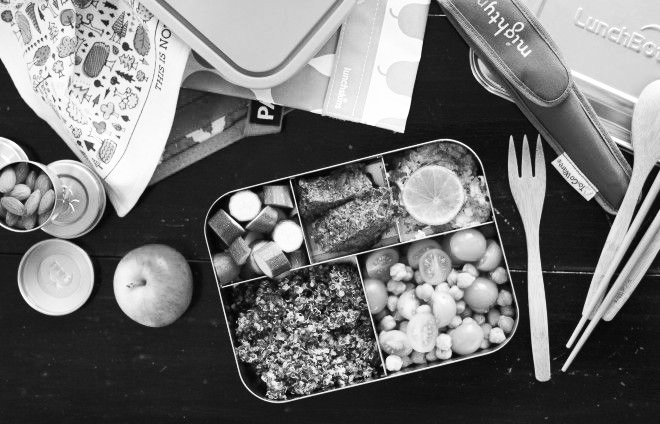
  1. Pack with reusables. On average, a school-age child with a lunch packed in single-serve disposable materials like plastic snack bags or juice boxes generates 67 pounds of waste per school year, which equates to 18,760 pounds of lunch waste for an average-size elementary school, according to the estimates of Waste Free Lunches, a non-profit organization.

Reduce your contribution to this waste and save money in the process with reusable containers. Waste Free Lunches estimated that choosing only reusable containers can save you almost $250 per person, per year. To learn more about reducing lunchtime waste on the household or community level, visit, WasteFreeLunches.org.


  1. Choose Made in USA. The “3 Rs” — Reduce, Reuse and Recycle — are a great refrain for environmentalists, but to ensure your family’s daily habits are minimally impacting the environment, consider adopting the simple act of choosing Made in USA products. This small change automatically reduces one’s carbon footprint by a magnitude of 10, according to a recent study conducted by Nalgene Outdoor, which offers a vast variety of BPA- and BPS free reusable water and food containers in a myriad of colors and designs, ranging in size from 12-ounces to 48-ounces. You can help explain the significance of buying Made in USA products to kids by telling them it’s like leaving a light on for 30 minutes vs. 3 minutes.


  1. Buy food local. Without a doubt, the most nutrient-rich and often most cost-effective way to procure fresh produce is locally. Additionally, anything sourced within 100 miles of home has a significantly lower carbon footprint than something that has traveled through hemispheres to reach your grocery store shelves. Community Supported Agriculture (CSA), co-ops and farmers markets are popular ways to find local produce direct from farmers. Check out localharvest.org to find a program near you.


  1. DIY grab-and-go snacks. Prepackaged snacks are often priced at a premium and rarely offer nutritious enrichment, but with just a little prep work, you can create your own healthy options more affordably.

“I try to choose storage containers that are already pre-portioned so I know the portion that I’m packing,” says Peggy O’Shea Kochenbach, a registered dietitian nutritionist. “Pack nutritious items like fruits, vegetables and nuts in clear containers in the pantry or refrigerator on Sunday, so that they are ready to ‘grab and go’ for the week.”

For safety, store items in BPS- and BPA-free reusable containers, such as those from Nalgene Outdoor Products, which offers a line of reusable storage containers that are clear, ranging in size from 4-ounces to 16-ounces and that are also dishwasher safe.


  1. Green your clean-up. Parents should seek reusable items that can both sustain kids’ rough and tough daily activities, but also survive the dishwasher. Close label reading shows that many reusable lunch containers suggest “hand washing.” However, items that are dishwasher-safe can keep your household saner, cleaner and greener. For your family, cleaning is easy-peasy; and for the environment, research shows a good dishwasher saves 3,870 gallons of water over its lifetime and uses less energy than conventional models, which helps reduce air pollution and combat global climate change, according to the ENERGY STAR program.


The Pat LaFrieda Burger

By HelloFresh

with Balsamic Onions and Crispy Cauliflower Oven Fries

By HelloFresh

Ingredients:

10 ounce

Cauliflower Florets


0.25 cup

Panko

(ContainsWheat)


1 unit

Red Onion


1 clove

Garlic


1 tablespoon

Balsamic Vinegar


10 ounce

Pat LaFrieda Hamburger Blend


1 teaspoon

Dried Oregano


1 tablespoon

Mayonnaise

(ContainsEgg,Soy)


2 unit

Buns

(ContainsWheat,Egg,Soy,Milk)


4 teaspoon

Vegetable Oil*


Salt*

Pepper*


Total: 30 min

Calories: 820


Instructions:

  1. Wash and dry all produce. Preheat oven to 425 degrees. Toss cauliflower with panko, a large drizzle of oil, and a pinch of salt and pepper in a medium bowl. Transfer to a baking sheet and bake until browned and crisp, about 25 minutes.
  2. Halve, peel, and thinly slice onion. Mince or grate 1 clove garlic (use the other clove as you like).
  3. Heat a drizzle of oil in a large pan over medium heat. Add onion and cook until softened, 4-5 minutes, tossing occasionally. Stir in 1 TBSP balsamic vinegar (we sent more) and reduce heat to low. Cook until very so‡, about 10 minutes. Season with salt and pepper. Remove from pan and set aside.
  4. Shape Pat LaFrieda Hamburger Blend into two patties with your hands (you’ll want them to be slightly wider than the buns). Season with oregano, salt, and pepper. Carefully wipe out pan you cooked onion in with a paper towel, then heat a drizzle of oil in it over medium-high heat. Add patties and cook to desired doneness, 3-5 minutes per side.
  5. In a small bowl, combine 1 TBSP mayonnaise (we sent more) and a pinch of garlic. Season with salt, pepper, and more garlic (to taste). Split buns in half, place on another baking sheet, and toast in oven until golden brown, 3-5 minutes.
  6. Spread aioli on buns, then fill each with a burger and some onion. Serve with cauliflower on the side.

Tips to Incorporate Music into Your Family’s Daily Routine

By StatePoint

The benefits of music education are endless. Studies have associated music education with higher test scores, improved concentration and more. But if you are a parent, you probably know how it goes: many children will begin a music program with enthusiasm, only to complain about practicing a short time later, sometimes even asking to quit.

Music should never be a chore, however. Here are tips for parents to incorporate music into their family routine in ways that are fun and positive.

• Plan a music night. Create an evening where all activities revolve around music. Take turns at the karaoke machine. Play a music-themed trivia game. Hold a family concert night or talent show where everyone gets a chance to perform. Sing instead of speak. Watch a favorite musical.

• Take a class together. You can inspire by example by taking a music class with your child. You don’t necessarily need to find a class designed for parents and kids, although there are plenty of such classes available.

• Use new tools and tech. New tools can be used at home to make music fun. For example, Casio keyboards feature a Dance Music Mode, which divides the piano keyboard into different instrument sections, like drums, bass and more. Fifty built-in styles, as well as familiar effects like stutter and filter, make it easy and fun for anyone to create and remix dance music. To learn more, visit casiomusicgear.com.

• Attend a live performance. Take time to simply appreciate music. Sample different musical styles and broaden your horizons by attending live concerts and shows.

• Play name that tune. In the car with the radio playing? Play “Name that Tune.” Keep a running tally of who knows the most songs.

By making music fun, your children will be more likely to reap the benefits of making and enjoying music their entire lives.


Crispy Top Parmesan Chicken

Courtesy: Hello Fresh

with Balsamic Potato Salad and Garlic-Roasted Tomatoes


By Hello Fresh


Cooking Time: 30 mins

Servings: 4

Nutrition: 520 Calories

Ingredients:


  • Yukon Gold Potatoes- 24 oz
  • Panko Breadcrumbs- 1/2 cup
  • Parmesan Cheese- 1/2 cup
  • Chicken Breast- 24 oz
  • Dijon Mustard- 4 tsp
  • Grape Tomatoes- 8 oz
  • Scallions- 4
  • Garlic- 4 cloves
  • Balsamic Vinegar- 2 tbsp


1  PREHEAT OVEN AND BOIL POTATOES. Wash and dry all produce. Preheat oven to 400 degrees. Cut potatoes into ½-inch cubes. Place in a medium pot with a large pinch of salt and enough water to cover by 1 inch. Bring to a boil and cook until easily pierced by a knife, 10-12 minutes. Drain and place in a large bowl.


PREP CHICKEN.  Meanwhile, combine panko, Parmesan, a drizzle of olive oil, and a pinch of salt and pepper in a small bowl. Pat chicken dry with a paper towel. Season all over with salt and pepper. Place toward one side of a lightly oiled baking sheet. Brush 1 tsp Dijon mustard onto top of each piece. Sprinkle panko mixture onto tops, pressing to adhere.


3  ROAST CHICKEN AND PREP  Roast chicken in oven until no longer pink in center, 15-20 minutes total (we’ll be adding more items to the sheet halfway through). Meanwhile, halve tomatoes. Trim, then thinly slice scallions, keeping greens and whites separate. Mince or grate garlic.


ROAST TOMATOES  About 8 minutes before chicken is done, remove sheet from oven. Toss tomatoes, scallion whites, garlic, and a drizzle of olive oil on empty side of sheet. (TIP: Use tongs to avoid touching the hot sheet. No tongs? Get them for next time at HelloFresh.com/Shop) Season with salt and pepper. Return sheet to oven and roast until chicken is done and tomatoes are soft, 7-8 minutes.


5  MAKE POTATO SALAD Add scallion greens, 1 TBSP balsamic vinegar (we sent more), and a large drizzle of olive oil to bowl with potatoes. Toss to combine. Season with salt and pepper.


6 PLATE AND SERVE. Divide chicken, tomatoes, and potato salad between plates and serve.

Give Coffee A Break

By Craig “Deuce” Doussett MPH, RDN


It seems that coffee cannot get a break. This may be due to its ubiquitous presence in the world as one of the most highly-consumed beverages (after water and in constant competition with tea and beer) thus making it a pretty easy target. Or it may be due to the rise of gourmet and specialty coffees which, when all is said-done-added-swirled-caramelized-frappéd-dipped and whipped, resembles very little the original ‘Cup O’ Joe” that was consumed up until 20 years ago. Either way, it may be time, due to solid evidence and much information on healthy practices, to give this ‘energy elixir’ a well-deserved reprieve. Coffee, and its many permutations may be an excellent addition to one’s dietary habits or prove to be the proverbial ‘simian’ draped across one’s Trapezius muscles.

It is not uncommon to read two very different studies on coffee published on the same day. One, for example, extolling the virtues of coffee and its antioxidant properties, which are compounds that reduce free radical damage to our cells. And another study that demonstrates that individuals that consume four or more cups of coffee a day have higher rates of “all-cause” mortality. This information can be very discomfiting, or reassuring depending on your caffeine proclivities, and this confusion does a disservice to the consumer of both coffee products and science. Owing to this schizophrenic media Hydra, we are left up to our own devices, usually appetite driven, to decide what the best approach to making the healthiest choice is.

Like many choices, there is an element of moderation, compromise, simplicity, and introspection. How much coffee is beneficial, why are we drinking it, are our bodies “caffeine friendly”, and is the ‘benefit-versus-side-effects’ worth the outcome? All of these questions are personal ones that can be informed with solid information. Here are some basic guidelines to make safe, beneficial, and individualized coffee consumption choices:

  • Keep it simple! Stick to less exotic iterations of coffee to reduce the caloric load and increase the amount of antioxidants per cup. Some coffee creations can have up to 1,000 calories per 16 ounces.
  • Consume less than four cups (or 400 milligrams) of coffee daily. This is especially important as more than four cups can lead to insomnia, agitation, mood disorders, and erratic behaviors
  • in many individuals.
  • Avoid coffee after the afternoon meal
  • There are many conditions where coffee consumption is inadvisable. Seek your doctor’s advice for a list of these conditions and remain judicious in your daily consumption patterns.
  • If coffee wakes you up in the morning but allows you sleep restfully at night, drink away!
  • If you cannot wake up without it, cut back!
  • Do not be averse to asking yourself why you are drinking it, even on a regular basis. Introspection leads to “Temet Nosce” (knowing oneself)!

Enjoy your daily coffee grind if you are one of that special breed wherein coffee is nothing but beneficial. These people tend to have lower rates of Type 2 diabetes, Parkinson’s, and depression in addition to experiencing brain stimulation that keeps them sharp, engaged, and productive. Clark’s Nutrition and Natural Foods market has a variety of organic and free-trade blends that can assist any individual to carpe diem. As always, have a healthful day.

Hydrogevity

Photo Credit: Designed by nensuria / Freepik

By Craig “Deuce” Doussett MPH, RDN

Five hundred years ago, the Spanish explorer, Juan Ponce de Leon became fascinated with sailing, by dint of the circumnavigating exploits of Christopher Columbus. While Ponce de Leon established himself as an adroit farmer and landowner in the New World, he is perhaps most ubiquitously known for his quest to discover the mystical ‘Fountain of Youth’. The Fountain was believed to impart vigor and longevity to anyone who imbibed from its crystal-clear waters. In fact, the rejuvenative powers of undiscovered bodies of water date back at least an extra two millennia when Alexander the Great went in search of the mystical ‘River of Death’. Yet pragmatically, (and luckily) the search for health and longevity has become an investigation into how treating our bodies, and social constructs, can produce almost magical outcomes.

Researchers from the University of California, Riverside, followed subjects for 20 years to examine life choices that influence longevity. One of the most significant findings was that individuals who avoid stress and work tend to live shorter lives. Being productive and dealing with stress directly and determinately is the best method to increase self-worth and efficacy. The best method to support these endeavors and a continual state of human production is to remain properly hydrated. Chronic dehydration, at levels of just 1% (think four glasses behind where you should be) can lessen our abilities to perform well cognitively and socially. This could translate to lower scores on tests and performance in the workplace or in a decline in creative pursuits, or in our ability to regulate mood, memory and relationships. In addition to these task-oriented and socio-cognitive aspects regarding hydration, there are certain physiological conditions that require constant thoughtfulness. Hydrated muscles perform more work, in a shorter amount of time, in a wider variety of settings, and among a broader set of tasks. Similar to muscles, bowels must remain properly hydrated to perform their tasks i.e., sustaining the multifarious microbiome that helps us to process foods, eliminate wastes, and protect against exogenous threats. In fact, all body systems require proper hydration to ensure their functions are performed in a manner (and rate) that is conducive to health and resistant to disease.

If aging can be conceptually distilled into how well we replicate endogenous proteins, free from the ravages of free-radical damage and replication errors (not in whole anyway), then on some level, providing the aqueous medium sufficient to maintain a healthy and organized system is our responsibility alone. Aging is usually represented by a curvilinear (bent line) continuum wherein the relatively healthy years (represented by the straight segment) starts to curve upward around age 50 and rises precipitously thereafter. This line, and the point where life curves into declining health, is not intrinsically predetermined; rather, it relies tremendously on individual effort or lack thereof. It is possible, via concerted individual and community efforts, to remove the curve from the line and live life straight on. To do so requires vigilance and a mindful approach to healthful pursuits, primary among them being hydration.

To this end, it is imperative to drink pure water daily and include high-water-containing fruits and vegetables, and may even be necessary to avoid caffeinated and carbonated drinks in the pursuit of metabolically-advantageous hydration levels. Finally, in place of looking for bodies of water, and their illusory promise of longevity, we should look at the water in our own bodies, and their demonstrated effects on quality and quantity of life.


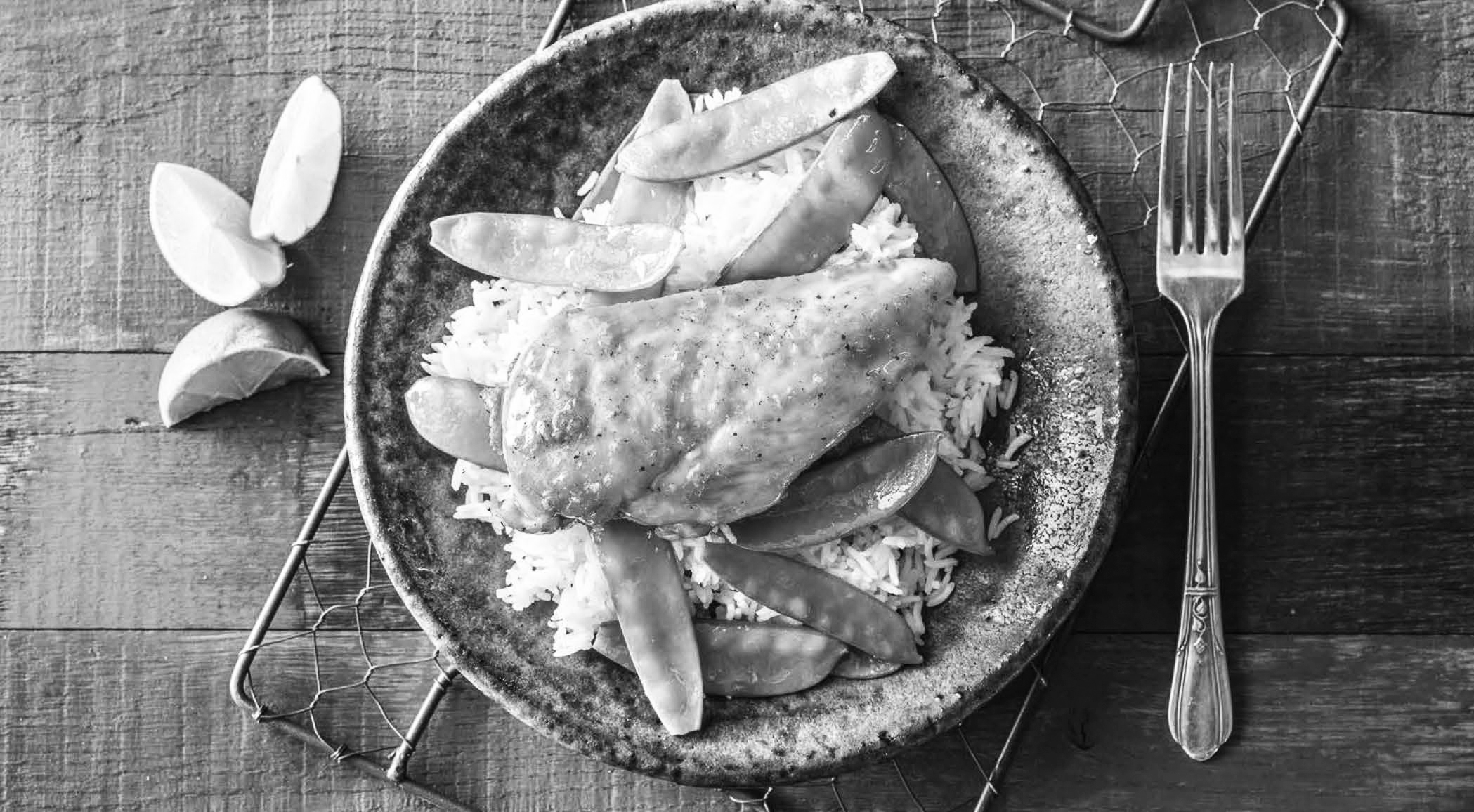
Sweet-As-Honey Chicken

Photo courtesy: Hello Fresh

with Snow Peas over Jasmine Rice


By Hello Fresh


Cooking Time: 30 mins

Servings: 4

Nutrition: 510 Calories

Ingredients:

  • Garlic- 4 cloves
  • Lime- 1
  • Snow Peas- 8 oz
  • Ginger- 1 thumb
  • Jasmine Rice- 1 cup
  • Chicken Breasts- 24 oz
  • White Wine Vinegar- 3 tbsp
  • Soy Sauce- 2 tbsp
  • Chicken Stock Concentrate- 2
  • Honey- 2 oz


1  PREP.  Wash and dry all produce. Bring 1 cup water and a pinch of salt to a boil in a small pot. Mince garlic. Cut lime into wedges. Trim half the snow peas (use the rest as you like). Peel, then mince ginger until you have 1 TBSP.

COOK RICE AND CHICKEN.  Once water boils, add rice to pot. Cover and reduce to a simmer. Cook until tender, 15-20 minutes. Meanwhile, heat a drizzle of oil in a large pan over mediumhigh heat. Season chicken all over with salt and pepper. Add to pan and cook until browned and no longer pink in center, 4-5 minutes per side. Remove from pan and set aside.

3  COOK AROMATICS.  Reduce heat under pan to medium low and add a drizzle of oil. Toss in ginger and garlic and cook until soŒ and fragrant, about 1 minute. Pour in 1½ TBSP white wine vinegar (we sent more) and let reduce until almost dry and evaporated.

MAKE GLAZE.  Stir soy sauce, 2 TBSP water, stock concentrate, and honey into same pan. Let simmer until mixture thickens to a glaze-like consistency, 2-3 minutes. Remove from heat, then return chicken to pan and toss to coat. Set aside until rest of meal is ready.

5  COOK SNOW PEAS.  Heat a drizzle of oil in a medium pan over medium heat. Add snow peas and cook, tossing, until tender but still a little crisp, 3-4 minutes. Season with salt, pepper, and a squeeze of lime.

6 PLATE AND SERVE. Divide rice between plates. Top with snow peas and chicken. Serve with lime wedges on the side for squeezing over.

Back-to-School Organization Tips for Busy Families

photo courtesy: fotolia.com

By StatePoint


The new school year brings hectic mornings, piles of homework, endless events, practices, games and school conferences. When you’re a busy parent, day-to-day tasks can consume your thoughts and energy. Stay organized and sane by following these simple tips to handle the crush of the school year.

Centralize Communication

Communication is key when it comes to organization. Stay in sync with your family by using a digital calendar. Smartphone apps such as Hub allow multiple users to share to-do and shopping lists, appointments, commitments and more. In addition, many apps have messaging capabilities to ensure users can share specific details and instructions (“Bring treats for the holiday party Tuesday”) and last-minute changes (“Grandma is picking up the kids today”) with one or more family members.

Organization Station

If your family prefers a physical calendar, incorporate it into a complete “home command station” in an area everyone passes, like a nook in the kitchen or a corner in the family room. Build out the space as the central location for organization. Use chalkboard paint to create a reusable messaging wall for daily assignments and appointments. Include a shelf or cubby with an inbox and outbox so permission slips, bills and important documents don’t get lost.

Make this station even more useful by adding a dedicated space for children to do homework. Include a desk, computer, school supplies and a bright desk lamp. Encourage success by posting recent “wins” nearby, like that aced spelling test or impressionist masterpiece. Utilize file cabinets, labeled folders or pouches to separate print materials and USB flash drives by subject, so homework can be handled with less stress.

Modify Meal Prep

Before heading to the market, map out meals for the week that share common ingredients, to increase efficiency and reduce waste; then create a shopping list packed with fruits, vegetables and whole grains. Maintain a consistent supply of fresh, delicious produce with subscription boxes or community-supported agriculture membership.

Prep breakfasts and lunches the night before to save time in the morning and ensure your family consumes healthy, whole foods, versus pre-packaged convenience foods.

Smoothies provide a nutritious breakfast or snack at home or on-the-go. Prepare and freeze individual servings of chopped fruits and vegetables in resealable bags. When you’re ready to use, place the frozen produce into a high-powered blender, such as the Vitamix A3300 Ascent Series blender, add almond milk, soy milk or water and blend on high until the desired consistency is reached.

For lunch, prep power-packed meals with items like almond and seed butters to provide protein, healthy fats, vitamins and minerals. Mix unsalted, roasted almonds and canola oil in a high-powered blender to create homemade almond butter; or blend sunflower seeds, flaxseed, sesame seeds and sunflower oil for an allergy-friendly no-nut butter. Pair these delicious spreads with jam on whole-wheat bread for a twist on a traditional lunchbox favorite.

Staying organized is not easy. There might be occasional disarray, but making just a few small changes will help you reap the benefits of a more balanced life this back-to-school season.

One-Pan Shrimp Lo Mein

with Udon Noodles, Green Beans, and Carrot


By Hello Fresh


Cooking Time: 30 mins

Servings: 4

Nutrition: 510 Calories

Ingredients:


  • Green Beans- 12 oz
  • Ginger- 1 thumb
  • Garlic- 2 cloves
  • Scallions- 4
  • Carrot- 2
  • Soy Sauce- 2 tbsp
  • Veggie Stock Concentrate- 2
  • Hoisin Sauce- 2 tbsp
  • Shrimp- 20 oz
  • Udon Noodles- 16 oz


1 PREP Wash and dry all produce. Cut green beans into 1-inch pieces. Peel ginger, then mince until you have 1 TBSP. Mince or grate garlic. Trim, then thinly slice scallions. (TIP: Set aside some of the scallion greens for garnish, if you like.) Peel carrot, then cut in half lengthwise. Slice each half into thin half-moons


COOK VEGGIES Heat a drizzle of oil in a large, tallsided pan over medium-high heat. Add green beans and toss until softened slightly, 3-4 minutes. Add carrot and toss until both are fully tender, 3-4 minutes more. Season with salt and pepper.


3 MAKE SAUCE While veggies cook, stir together soy sauce, stock concentrate, 1 TBSP hoisin sauce (we sent more), 2 tsp sugar, and ¼ cup water in a small bowl.


COOK SHRIMP Rinse shrimp and pat dry with a paper towel. Add shrimp, ginger, scallions, and garlic to pan with veggies. Cook, tossing, until shrimp are nearly opaque and firm, 1-2 minutes. Season with salt and pepper.


5  TOSS LO MEIN Stir sauce into pan and let reduce slightly, 2-3 minutes. Add udon noodles and cook, tossing frequently, until tender and chewy, 3-4 minutes. (TIP: If noodles won’t loosen up or sauce seems dry, add a splash of water.) Season with salt and pepper.


6 PLATE AND SERVE Divide lo mein between bowls and sprinkle with reserved scallion greens, if using, and serve.

“To De Or Not To De”….Tox That Is!

By Craig “Deuce” Doussett MPH, RDN

Much of the information and misinformation surrounding the concept of detox diets and supplements could only be murkier and more perplexing if it was written by William Shakespeare in unrhymed iambic pentameter. This may be due, in part, to the knowledge gaps that exist in the literature regarding how detoxification processes work in concert to keep us from acute toxicity. The science (often described as the meat of the matter a.k.a., the “steak”) certainly doesn’t exist in large enough quantities to justify the hype (or “sizzle”, to extend the metaphor). It may also be due to the lack of one dedicated detoxification “system”, like the muscular or cardiovascular system, further allowing speculation and “marketing” (a.k.a. effectively-targeted speculation) a megaphone for popular science. Popular science being any and all efforts to appease an impatient population with imprecise and “sciency” sounding jargon. Or it may be that the aversion one feels towards a word (CrossFit, Vegan, Paleo, Yoga, Microbrew, or Mandscaping) creates an antipathy that blinds one from exploring beyond first sight or sound. In any case, the desire to detox, to effectively assist the body’s efforts to gain or remain healthy is not a futile or fruitless endeavor. It is however an effort that must be governed with safety, prudence, and a boost in health literacy. To this end, the following questions must be asked:

  1. Can we assist or speed up detoxification through supplementation and elimination diets? Here it is imperative to note that the toxins being targeted are from outside (exogenous) sources. Chemicals found in foods (fertilizers, pesticides), cleaning products (dyes, softeners, and preservatives), and household wares (chemicals used to treat carpets, leather, and composite materials).
  2. Can we approach a “detoxified” state and is this state desirable above normal (read: healthy) levels? The goal of a well-thought-out detox may be more about what we remove (toxic burden) than what we include.
  3. Is “detox” a much maligned buzzword employed to avoid the use of trite words such as ‘resolution’, ‘goal’, ‘diet’ or ‘dedication’? Would we be better off using these words and making small and lasting changes to our diet (spoiler alert: Yes! This is the best way to achieve lasting health).

Now that our health literacy has been boosted, what supplements are worth our time? Aloe-Vera, Senna, Red Clover, Milk Thistle (unless allergic to ragweed), and insoluble fibers in powder form can be used judiciously. While these are the least harsh and safest “detoxifiers” on the scene, always seek the advice of your doctor and inform them of any and all supplementation.

Detoxification efforts receive the majority of their benefits from the following:

  1. Increase fluid intake (kidneys, bladder, skin, and fat cells)
  2. Increase fruit and vegetable intake i.e., increased levels of antioxidants, phytochemicals, and fiber (digestion and colon health)
  3. Secondary emphasis on grass-fed and organic meats and reducing consumption of processed carbohydrates
  4. Tertiary emphasis on reducing food sensitivities, allergies, and trigger foods that feed the stomach but starve the brain.

Detoxification diets are fads in the classical sense i.e., the science has not caught up with the marketing machine which includes word-of-mouth and inspiring testimonials. Yet it is vital to remember that many common place approaches to life started out as a fad e.g., high fat diets have now been shown to improve the symptoms of epilepsy in children and insulin sensitivity in Type II diabetics, and high-complex carbohydrate diets are standard for some liver disorders. The goal is to engage in a behavior that is healthy, safe, sustainable, and above all eliminates deficiencies in lieu of creating them.


Get Your Groove Back!

Photo Courtesy: Created by Boryanam – Freepik.com

By Craig “Deuce” Doussett MPH, RDN

Eating, moving, and sleeping! Which is more important to overall health? Which of these three aspects of our daily lives will help us become the people we want to be?

Unfortunately, no easy to quantify order has been established as all three factors affect and synergize with the others. We are in equal control of these three components and, while many outside perturbations can make any one of the three more difficult, they afford us a 24-hour opportunity (circadian cycle) to maximize our health and happiness. This article will focus mainly on the sleep portion of our “Circadiome” and explain how to improve habits that bestow health. The first strategy to improve sleep benefit is alcohol moderation. Avoiding over consumption of alcoholic drinks is one of the most effective strategies to improve sleep and improve immune function. While some alcohol can help induce sleep, any more than two drinks can actually cause sleep disruption and dysregulation of sleep cycles. Alcohol contributes to frequent wakenings and night sweats. Over consumption of alcohol also drastically reduces the regulatory effect the brain has on gene expression and hormonal function. We literally make less genetic messengers (which regulate our biological clocks) when we overindulge in alcohol.

The second aspect is the foods we eat during the day and right before bedtime. For the vast majority of us, eating three or four hours before bedtime can greatly contribute to a more restful sleep. There are many individuals; however, who may benefit from a healthy snack right before bed. In these cases, avoid fried foods and foods with high fat content. These foods digest slower and give off continuous stomach acid causing sleep disturbing heartburn. Also limit overly spicy and processed foods. Much better choices would be lower fat versions of cheese or yogurt and nuts, seeds, bananas, and eggs. These foods seem to provide vital minerals and B vitamins that can contribute to the sleep cycle.

Try and go to bed at the same time every night. This can be very hard on weekends and holidays but is very important to try and match bedtime consistently tire yourself out. Exercise, physical activity, and being up and about are very important to restful sleep. Some individuals can exercise near bedtime and others have to plan exercise for earlier in the day. Experiment to find the perfect regimen!

Watch the amount of caffeine that is being consumed. Caffeine is great for early day motivation and energy but can hamper bedtime activities.

Make the bedroom a refuge. Try and keep from turning your bedroom into a second dining or living room by banning snacks and drinks form the bedroom. Also, make the room dark and relaxing, too much stimulation (sorry smart devices) can delay bedtime and rob you of precious rest.

Try sleep aids (go natural). There are a variety of sleep aids that can be useful to enhance the techniques mentioned above and many can be used safely with most ages. Some of the most widely used herbs and supplements are valerian, lavender, lemon balm, chamomile, and melatonin. Follow the instructions on the bottle and avoid overuse. As 7/12/2017 Clarks Nutrition and Natural Foods Markets :: Get Your Groove Back! http://clarksnutrition.com/index.php/blog/newsletters/2016/04/live-better-health-tip# 2/2 with all supplements discontinue use if symptoms of nausea, headache, or stomach upset arise and always make sure your doctor is aware of the supplements you take for possible interactions.

There is a reason we sleep a third of our lives. It is responsible for a third of our success. Be rested and be happy!

Disclaimer: Clark’s Nutrition is neither associated with nor profits from the above-linked pure-science project.

Craig “Deuce” Doussett MPH, RDN (mailto:website@clarksnutrition.com)

Southwestern Stuffed Peppers

with Ground Beef, Quinoa and Monterey Jack Cheese


Photo courtesy: Hello Fresh

By Hello Fresh


Cooking Time: 30 mins

Servings: 4

Nutrition: 710 Calories

Ingredients:


  • Chicken Stock Concentrate- 2
  • Yellow Onion- 2
  • Scallions- 4
  • Lime- 2
  • Quinoa- 1 Cup
  • Ground Beef- 16 oz
  • Southwest Spice Blend- 2 tsp
  • Red Bell Pepper- 2
  • Yellow Bell Pepper- 2
  • Crushed Tomatoes- 2 Boxes
  • Monterey Jack Cheese- 1 Cup

1 PREHEAT AND PREP Wash and dry all produce. Preheat oven to 400 degrees. Bring 1 cup water, stock concentrate, and a pinch of salt to a boil in a small pot. Halve, peel, and dice onion. Trim, then thinly slice scallions. Cut lime into wedges.

2  COOK QUINOA  Once water is boiling, add quino to pot. Cover, lower heat, and reduce to a simmer. Cook until tender, 15-20 minutes.

3 START FILLING  Heat a drizzle of olive oil in a large pan over medium-high heat. Add onion and scallions and cook, tossing, until softened, 4-5 minutes. Season with salt and pepper. Add ground beef, breaking up meat into pieces. Cook until browned, 3-4 minutes. Stir in Southwest spice blend and cook until fragrant, about 30 seconds. Season with salt and pepper.

4  PREP AND ROAST PEPPERS While onions and beef cook, halve bell peppers lengthwise, then remove white ribs and seeds. Rub with a drizzle of olive oil, then season with salt and pepper. Place on a baking sheet. Roast in oven until softened, 5-7 minutes. Once cool enough to handle, arrange bell peppers cut-side up on baking sheet.

5 FINISH FILLING  Stir crushed tomatoes into pan with beef and bring to a simmer. Let simmer until flavors have come together and tomatoes have reduced slightly, about 5 minutes. Once quinoa has finished cooking, add it to pan and stir to combine. Season with salt and pepper.

6 BAKE AND SERVE  Stuff bell peppers with as much filling as will fit. Sprinkle Monterey Jack cheese over top of each. Return to oven and continue roasting until very soft, about 10 minutes. Divide remaining filling between plates, then place stuffed peppers on top. Serve with lime wedges on the side for squeezing over.

The Iron Compliant

By C Doussett MPH, RDN

Clark’s Nutrition

Iron has long been used as a therapy for weakness throughout history, even when the purveyors of this remedy knew nothing of its ability to mitigate weakness or lethargy. Hippocrates, the father of medicine, would recommend ferruginous (rich in iron) water treatments to individuals suffering from what was termed “chlorosis” or iron-deficiency anemia. It made sense to the Greeks that a condition of weakness (anemia) should be met with an element of strength (iron). The god of war, Ares, was associated with the element iron as it was the chief component in his spear (bronze-tipped) and shield, and was a symbol of strength. Yet aside from mythology, iron as a real cause and therefore treatment of lethargy, weakness, and a slew of other symptoms is well understood today and is one of the most researched and well-understood elements in the human diet.

Iron is important for metabolism (energy production), affects many hormones, such as thyroid hormone and testosterone, and is crucial for growth and normal development throughout life. While isolated iron deficiency is fairly uncommon in the US, infants, teenage girls, pregnant and lactating mothers, postmenopausal women, and those with poor diets are at a heightened risk. It is important to receive regular checkups and comply with doctor orders if diagnosed as deficient or anemic. Iron requirements change as we age and range from 8 milligrams (mgs) to 18 mgs and goes as high as 27 milligrams in pregnant and lactating women

Iron deficiency is commonly observed as anemia which may have some of the following symptoms:

  1. Weakness, feelings of coldness
  2. Decreased work and school performance
  3. Slow cognitive or social development
  4. Decreased immune function.

In nature, iron may be found bound to “heme” or without heme. Heme is a nitrogen-based cyclical structure that is a part of hemoglobin found in red blood cells, and myoglobin found in muscles that carry the oxygen we breathe to cells and carbon dioxide away from cells. Heme iron (found in animal foods) and nonheme iron (plant-based) may be absorbed differently and will certainly be found in different concentrations depending on the makeup of one’s diet. .

Iron from animal sources may be absorbed up to 35% and iron from plant sources may be 20% absorbed, yet this does not mean a non-meat eater needs to consume meat sources of iron. Iron needs in the body are closely regulated and our ability to absorb iron is based on our need to absorb iron. If we are deficient in iron, our body will absorb more in the gastrointestinal tract and if we are “topped” off in our tissues, we will absorb less. Therefore, iron absorption is more an issue of need than an actual issue of source.

The majority of iron supplements are the non-heme variety and absorption is increased when eaten with foods high in vitamin C such as orange juice, bell peppers, broccoli, and strawberries or with a vitamin C supplement (100-250 mgs). It should come as no surprise that the majority of iron consumption in the US comes from breads and grain-based desserts. Here are some excellent iron sources for anyone to include:

Heme (animal) iron sources

  1. Liver, beef, & chicken
  2. Clams & oysters
  3. Salmon & tuna,

Non heme (plant) iron sources

  1. Lentils & beans
  2. Spinach & pumpkin seeds
  3. Fortified cereals and grains

We have an evolved ability in today’s day and age to be diagnosed and remedy many things that afflict us. Luckily, iron deficiency is no longer viewed as a person’s lack of war-like aggression and treated with Ares’ spear. If you have been diagnosed with iron deficiency and given the go-ahead to seek out iron rich foods or supplements, speak to a nutritional consultant today and explore your iron needs. As always, have a healthy day!


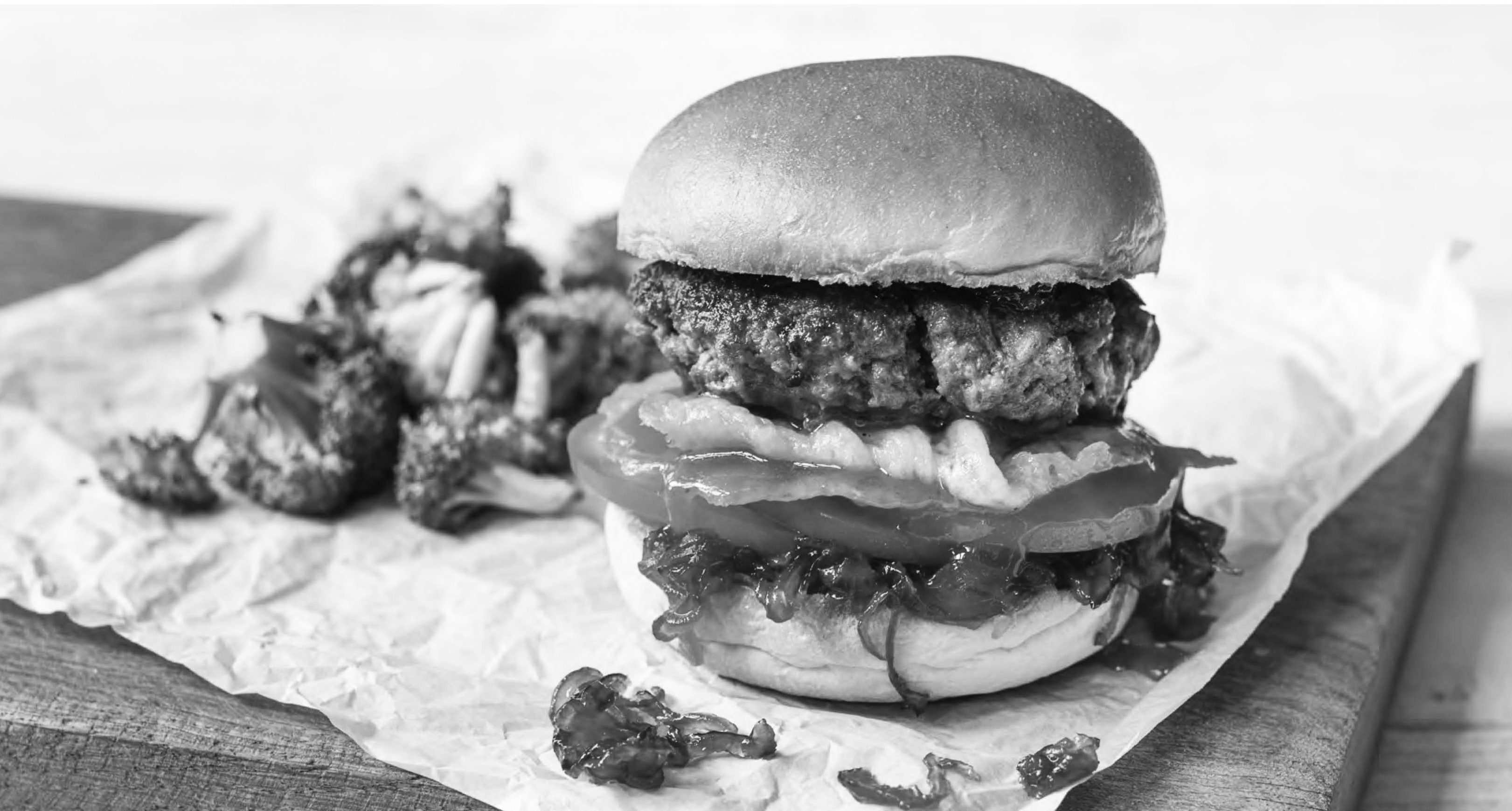
Crispy Cheddar Frico Cheeseburgers

Photo courtesy: Hello Fresh

with Caramelized Onion Jam and Roasted Broccoli

By Hello Fresh


Cooking Time: 30 mins

Servings: 4

Nutrition: 810 Calories

Ingredients:


  • Red Onion- 1
  • Roma Tomato- 2
  • Brioche Buns- 4
  • Ground Beef- 20 oz
  • Broccoli Florets- 16 oz
  • Sherry Vinegar- 2 tbsp
  • Cheddar Cheese- 1 cup
  • Ketchup- 4 tbsp


  1. PREHEAT AND PREP.  Wash and dry all produce. Preheat oven to 425 degrees. Halve, peel, and thinly slice onion. Slice tomato into rounds. Split buns in half. Shape beef into two evenly sized patties.
  2. ROAST BROCCOLI. Toss broccoli on a baking sheet with a drizzle of olive oil and a pinch of salt and pepper. Roast in oven until slightly crispy, 15-20 minutes.
  3. MAKE ONION JAM. Heat a drizzle of olive oil in a large pan over medium-high heat. Add onion and cook, tossing, until soft, 5-6 minutes. Stir in 1 TBSP sherry vinegar (we sent more) and 1 tsp sugar. Simmer untilliquid is nearly evaporated, 1-2 minutes. Season with salt and pepper. Remove from pan and set aside.
  4. MAKE CHEDDAR FRICO Line another baking sheet with parchment paper. Place cheddar on it in two even piles. Bake in oven until melted in middle and crispy at the edges, 5-7 minutes. TIP: If you don’t have parchment, that’s OK. As soon as the frico come out of the oven, transfer to a plate to cool using a spatula.

5 COOK BURGERS Meanwhile, heat a drizzle of olive oil in same pan over medium-high heat. Season beef patties all over with salt and pepper. Add to pan and cook to desired doneness, 3-6 minutes per side. Meanwhile, carefully remove frico from baking sheet, then place buns on sheet. Toast in oven until golden, 3-4 minutes.

6 ASSEMBLE BURGERS Place burgers, onion jam, tomato slices, ketchup, and a cheddar frico inside each bun. Serve with broccoli on the side.

Wasabi Lime Salmon

o

Photo courtesy: Hello Fresh

ver Soy-Simmered Rice with Baby Bok Choy


By Hello Fresh


Cooking Time: 30 mins

Servings: 4

Nutrition: 660 Calories

Ingredients:


  • Veggie Stock Concentrate- 2
  • Soy Sauce- 1 tbsp
  • Jasmine Rice- 1 cup
  • Baby Bok Choy- 4
  • Scallions- 4
  • Lime- 2
  • Ginger- 1 thumb
  • Garlic- 2 cloves
  • Mayonnaise- 4 tbsp
  • Wasabi Paste- 1 tsp
  • Salmon- 24 oz


  1. COOK RICE Bring ¾ cup water, stock concentrate, and soy sauce to a boil in a small pot. Once boiling, add rice. Cover, lower heat, and reduce to a simmer. Cook until tender, 15-20 minutes. Remove from heat and keep covered.


2.PREP Wash and dry all produce. Cut off and discard root ends of bok choy, then separate into individual stalks. Thinly slice scallions, keeping greens and whites separate. Halve lime. Cut one half into wedges. Peel, then finely grate ginger. Grate garlic.


  1. MAKE DRESSING In a small bowl, combine mayonnaise, a squeeze of lime juice, a pinch of garlic, a pinch of ginger, and wasabi paste (to taste—start with a pinch and go up from there). Stir in 2 tsp water. (TIP: Add more water as needed to give dressing a drizzly consistency.) Season with salt and pepper.


  1. COOK BOK CHOY Heat a drizzle of oil in a large pan over medium heat. Add scallion whites, remaining garlic, and remaining ginger. Cook, tossing, until slightly softened, 1-2 minutes. Add bok choy and 1 TBSP water. Cook, tossing, until leaves wilt, 2-3 minutes. Season with salt and pepper. Remove mixture from pan and set aside, covering with aluminum foil to keep warm.


5 COOK SALMON Heat a drizzle of oil in same pan over medium-high heat. Season salmon all over with salt and pepper. Add to pan skin-side down. Cook until skin is crisp and browned, 5-6 minutes. Lower heat to medium and flip salmon. Cook until opaque throughout, another 3-4 minutes.


6 PLATE AND SERVE Divide rice between plates. Top with bok choy and salmon. Drizzle with dressing and garnish with scallion greens. Serve with lime wedges on the side for squeezing.

Optimus Prime

By Craig “Deuce” Doussett MPH, RDN, Clark’s Nutrition

The vast majority of us want cut-and-dried answers. We want to know what the best supplements are, how much sleep to get, the right amount of water to drink, the best foods to consume in their proper ratios and times, and the most effective exercises and peak times to perform them. We desire to know the “best” (optimum) and “first in order” (prime) information to make our lives productive, rewarding, and free from distracting demands. In this spirit, here are a few answers that are steeped in science.

  1. Water is fairly easy, drink when thirsty and avoid darkly colored urine. While overhydration is not as common as dehydration, it can be just as dangerous, so drink plenty of water and always plan ahead. Stock up on water and have plenty of stainless steel or glass water containers on hand. As for food, Michael Pollan succinctly stated, “Eat food, not too much, mostly plants”. It does not matter what food camp we align with if the above dictum is ignored. One caveat, protein should be at every meal, carbs early in the day or after training, and fats in the afternoon. Protein powders can be excellent additions to busy lifestyles seeking simplified and salubrious solutions.
  2. Sleep seven to nine hours a night! In most individuals, less or more than this amount may result in overeating (non-homeostatic appetite), a decrease in resting metabolic rate, and hyperglycemia (high blood sugar [glucose]). All of the aforementioned conditions lead to weight gain and compromised immune systems. Experiment with natural and safe sleep aids such as melatonin (inform your physician), magnesium (with added L-Threonine to access neural tissue more effectively), and herbal teas such as valerian, chamomile, or hops.
  3. Exercise? A combination of cardiovascular exercise (running, swimming, biking etc.), resistance training (busting the weights), and high intensity interval training (HIIT), (start/stop movements cycled through power intervals) is best. Cardio is not only for heart health, it provides our brains with an influx of oxygen and nutrients, further increasing our odds of staving off forms of dementia and depression. Resistance training three time weekly (for skeletal and mitochondrial biogenesis) prepares the body for the demands of both daily and future life. Lastly, HIIT (flexibility, and lymphatic fluid movement) is an excellent way to challenge oneself and experience fat-burning and toning benefits simultaneously.
  4. When to work out? The short answer is whenever you enjoy it the most and will make it a lasting habit. The science shows, all things being equal, the afternoon is the best time. Firstly, in the afternoon our skeletal muscle is naturally less sensitive to insulin and exercise sensitizes our body to accept glucose and clear blood sugar before it moves to fat tissue to be repartitioned. Thus, afternoon exercise can help avoid a phenomenon known as “Afternoon diabetes”. Better sugar control means muscles perform better and longer. Secondly, while testosterone is higher in the morning, so is cortisol which is a hormone that can have delimitating effects on training adaptation. In the afternoon, the testosterone to cortisol ratio is improved (it is lower). Thirdly, we must consider our core temperature which is optimum in the afternoon for both genetic expression and mitochondrial output. Working out in the cold of morning means brains, muscles, cells, and bodily fluids are all at their slowest. Spoiler alert: there is a reason world records get broken in the afternoon.

Sometimes, it is best, in the face of undecided science, to follow the example of a certain brightly colored, anthropomorphized semi-truck and simply “Roll Out”! We do the best we can with the data we have until our choices are sufficiently challenged or our goals change. Ask a nutritional consultant to assist you in making your individualized approach to a healthy lifestyle.


Southwestern Stuffed Peppers

​with Ground Beef, Quinoa, and Monterey Jack Cheese

By Hello Fresh

Cooking Time: 30 mins
Servings: 4
Nutrition: 710 Calories
Ingredients:

• Chicken Stock Concentrate- 2
• Yellow Onion- 2
• Scallions- 4
•Limes- 2
•Quinoa- 1 cup
• Ground Beef- 16 oz
• Southwest Spice Blend- 2 tsp
•Red Bell Pepper- 2
• Yellow Bell Pepper- 2
•Crushed Tomatoes- 2 boxes
• Monterey Jack Cheese- 1 cup

1. PREHEAT AND PREP Wash and dry all produce. Preheat oven to 400 degrees. Bring 1 cup water, stock concentrate, and a pinch of salt to a boil in a small pot. Halve, peel, and dice onion. Trim, then thinly slice scallions. Cut lime into wedges.

2.COOK QUINOA Once water is boiling, add quinoa to pot. Cover, lower heat, and reduce to a simmer. Cook until tender, 15-20 minutes.

3. START FILLING Heat a drizzle of olive oil in a large pan over medium-high heat. Add onion and scallions and cook, tossing, until softened, 4-5 minutes. Season with salt and pepper. Add ground beef, breaking up meat into pieces. Cook until browned, 3-4 minutes. Stir in Southwest spice blend and cook until fragrant, about 30 seconds. Season with salt and pepper.

4. PREP AND ROAST PEPPERS While onions and beef cook, halve bell peppers lengthwise, then remove white ribs and seeds. Rub with a drizzle of olive oil, then season with salt and pepper. Place on a baking sheet. Roast in oven until softened, 5-7 minutes. Once cool enough to handle, arrange bell peppers cut-side up on baking sheet.

5 FINISH FILLING Stir crushed tomatoes into pan with beef and bring to a simmer. Let simmer until flavors have come together and tomatoes have reduced slightly, about 5 minutes. Once quinoa has finished cooking, add it to pan and stir to combine. Season with salt and pepper.

6 BAKE AND SERVE Stuff bell peppers with as much filling as will fit. Sprinkle Monterey Jack cheese over top of each. Return to oven and continue roasting until very soft, about 10 minutes. Divide remaining filling between plates, then place stuffed peppers on top. Serve with lime wedges on the side for squeezing over

Do You Practice Safe Sun Habits?

By StatePoint

Summertime is all about trips to the pool, beach and park. And it also means time spent in the sun.

Over the past three decades, more people have had skin cancer than all other cancers combined, according to The Skin Cancer Foundation, making proper sun protection a must. As you enjoy time outdoors, it’s important to understand and follow sun safety guidelines.

Sun Protection for Families

A new survey reveals some surprising facts.

When moms with children younger than 18 were asked about the correct amount of sunscreen needed to apply to the face and body, fewer than half knew the right amount. And nearly two in 10 were unaware that after an initial slathering of sunscreen, they needed to reapply more. So says a new survey of moms commissioned by NO-AD Sun Care.

“The correct amount of sunscreen to be applied — or reapplied — is one ounce,” says Brevard, Florida-based dermatologist, Dr. Richard C. Kirkpatrick. “Think of a shot glass of sunscreen or an amount the size of a golf ball.”

Parents should apply a broad-spectrum sunscreen to themselves and children 15 minutes before going out in the sun to give it time to bond to skin, and then reapply at least every two hours or after swimming, sweating and immediately after towel drying.

More than half of moms responding believe the proper time to apply sunscreen is as soon as they start feeling skin burn.

“By the time you feel your skin burning, the sun’s UV rays are damaging your cells’ DNA. Skin cancers get a foothold when this damage affects the DNA of genes that control skin cell growth,” says Dr. Kirkpatrick.

The cost of sun protection may become a concern as families begin to apply the proper amount of sunscreen. If that is the case, one cost effective choice is NO-AD, which offers a selection of products that are affordable and widely available.

Sun Protection for Women

Beautiful summer skin is all about making safe sun care a habit. A routine is easier when you find products you will love to use. Look for lightweight, fast-absorbing formulas comprised of ingredients that have benefits for skin. For example, Ocean Potion offers formulas with sea kelp, Vitamins D3 and E, and a pleasant orange cream scent. The line is PABA-free, (which is an allergen for some people.) For those who want to avoid the sun altogether, a self-tanner such as Ocean Potion EverGlow, can help you get the sun kissed look without the exposure.

Don’t let summer fun distract you from protecting skin from harmful UV rays, every time you leave the house.