Tag Archives: Healthy Living

Immune Boosting Tips for a Healthy Holiday Season

Photo Credit: (c) georgerudy/stock.Adobe.com

By Statepoint


The hectic holidays and chill in the air can take a toll on the immune system and make one more susceptible to cold weather challenges. Stay healthy and vital all season by taking the following steps.


Be Balanced

From eggnog and cookies to champagne toasts at midnight, you may be more likely to over indulge during the holiday season than at other times of the year. Be mindful of what you are eating and drinking at parties and on a day-to-day basis, and then balance out these extravagances with plenty of rest, regular exercise, healthy hydration and an otherwise nutrition-filled diet.


Get Some Support

“We are learning more each day about what weakens the immune system and how we can strengthen it for better health,” says Larry Robinson, PhD, vice president of scientific affairs at Embria Health Sciences, a manufacturer of natural, science-based ingredients that support wellness and vitality. “Good immune health requires more than just getting enough vitamin C.”


For some extra support this season and beyond, consider taking an immune-supporting supplement that goes further than a standard vitamin C tablet. Those that contains Embria’s ingredient EpiCor, a whole food fermentate made through a proprietary process using Saccharomyces cerevisiae, a common single-celled microorganism, have been shown in scientific studies to support the body’s ability to initiate the proper immune response at the appropriate time. For example, NOW EpiCor Plus Immunity contains Zinc, Selenium, and vitamins D-3 and C, and can give you the nutrition you need to help you make it through the holidays healthfully. To learn more, visit nowfoods.com.


While all these statements have not been evaluated by the Food and Drug Administration and this supplement is not intended to diagnose, treat, cure or prevent disease, many experts believe they can help maintain your daily health


Relax

The holiday season is meant to be joyful. Unfortunately, it can also be stressful. From navigating a shopping mall parking lot on the busiest day of the year to dealing with the extended family, stress can compromise your immune response. Use at least some of that time you may have off from work to truly relax, scheduling some down time for yourself — whether it’s curling up with a glass of green tea and a paperback, taking a bubble bath or doing yoga.


For a happy holiday season, take steps to treat your body right and to prioritize health and wellness.
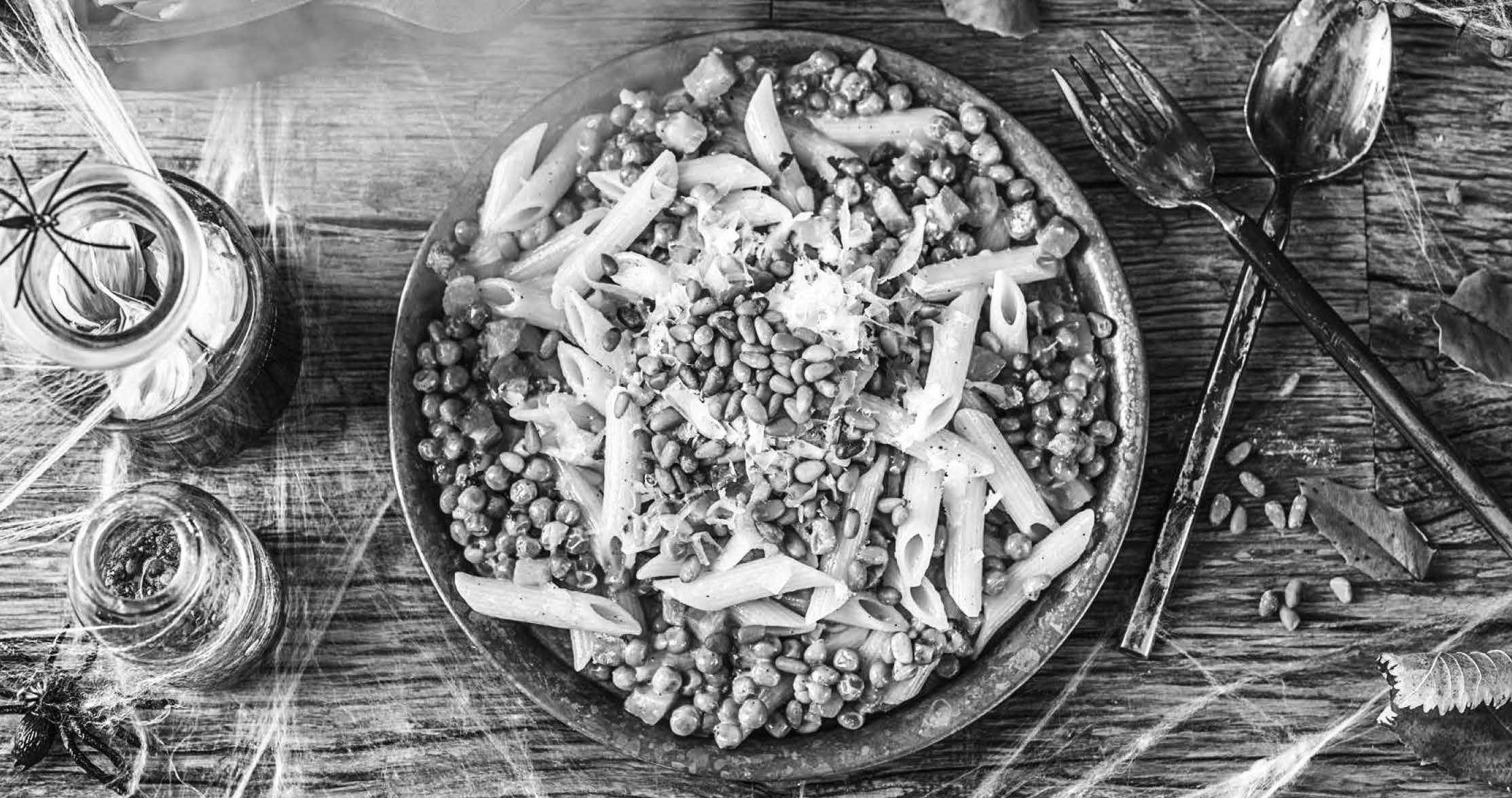
Pancetta Penne in a Witch’s Cauldron

Photo by: Hello Fresh

with Cream Sauce Potion and Pine Nut Vampire Teeth


By Hello Fresh


Cooking Time: 25 min.

Servings: 4

Nutrition: Calories: 730

Ingredients:

  • Garlic- 4 cloves
  • Mint- 1/4 oz.
  • Pine Nuts- 2 oz.
  • Penne Pasta- 12 oz.
  • Pancetta- 4 oz.
  • Peas- 8 oz.
  • Sour Cream- 8 tbsp.
  • Parmesan Cheese- 1/2 cup
  • Veggie Stock Concentrate


Preparation:

  1. Wash and dry all produce. Bring a large pot of salted water to a boil. Mince or grate garlic. Pick mint leaves from stems; discard stems. Roughly chop leaves.
  2. TOAST PINE NUTS. Heat a large, empty pan over medium-low heat. Add pine nuts and toast, tossing frequently, until lightly browned and fragrant, 2-3 minutes. Remove from pan and set aside.
  3. BOIL PENNE. Once water is boiling, add penne to pot. Cook, stirring occasionally, until al dente, 9-11 minutes. Carefully scoop out and reserve ⅓ cup pasta cooking water, then drain.
  4. COOK PANCETTA. Heat a large drizzle of olive oil in same pan over medium heat. Add half the pancetta (use the rest as you like) and cook, tossing, until lightly crisped, 2-3 minutes. Add garlic and peas and cook, tossing, until fragrant, about 1 minute.
  5. MAKE SAUCE. Stir penne, sour cream, half the Parmesan, stock concentrate, and reserved pasta cooking water into pan. Gently toss until a thick, creamy sauce forms, 3-4 minutes. Season with salt and pepper.
  6. PLATE AND SERVE. Divide penne mixture between plates. Sprinkle with mint (to taste), pine nuts, and remaining Parmesan.

Easy Ways to Cut Back on Sugar

PHOTO SOURCE: (c) Elena Blokhina/stock.Adobe.com29

By StatePoint

Nationwide, 30 million children and adults have diabetes, and 86 million are prediabetic, according to the American Diabetes Association (ADA).

November is National Diabetes Month, and an excellent opportunity to take steps to decrease your risk of developing Type 2 diabetes. A leading risk factor for Type 2 diabetes is being overweight. But the good news is, according to the ADA, losing just seven percent of your body weight can decrease that risk by 58 percent.

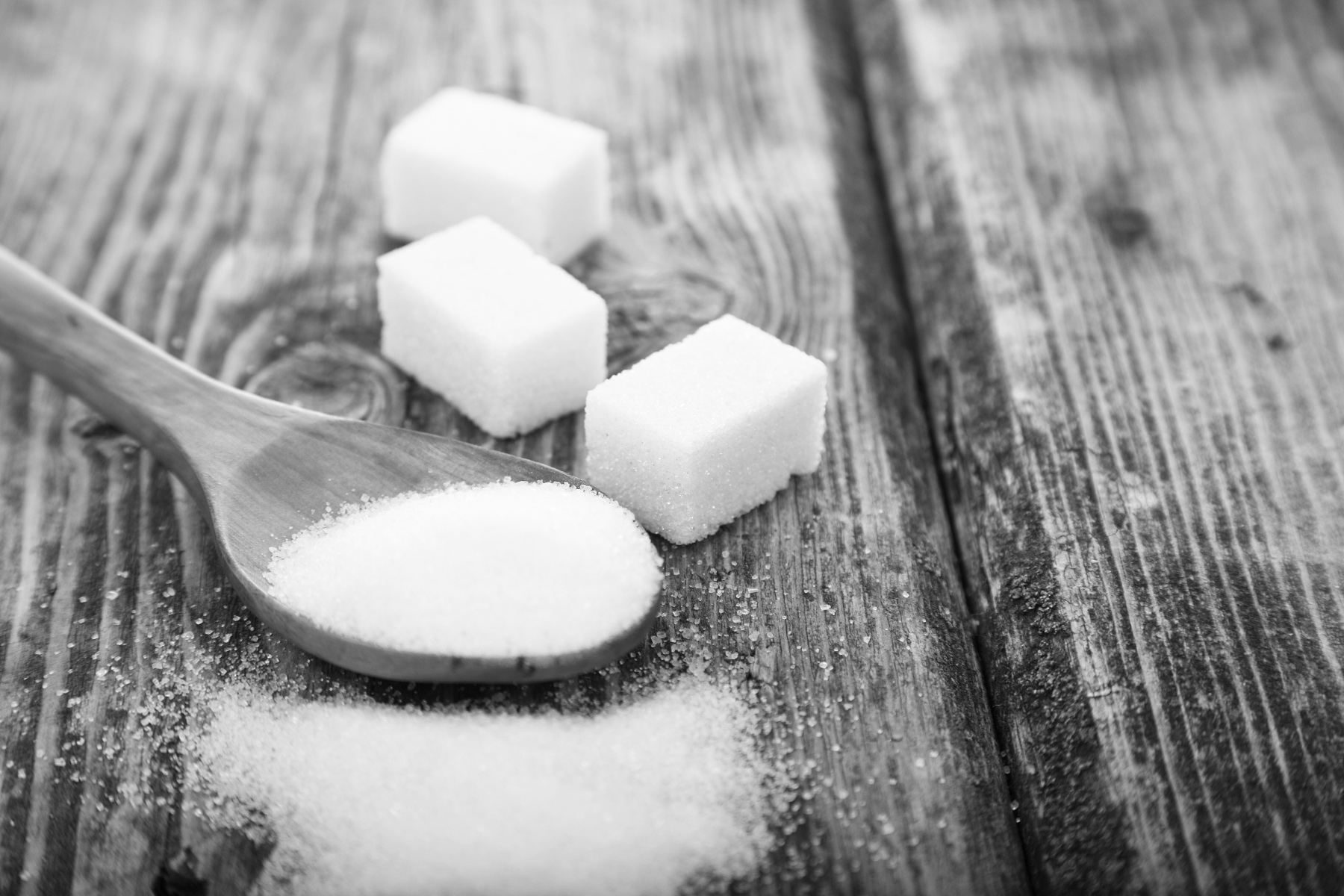
One way to manage your weight is to cut back on sugar, which can often be a sneaky source of weight gain.

Before getting started, it’s important to remember that many healthy foods naturally contain sugar, a carbohydrate your body burns for energy. Processed sugars are different, adding calories that provide no other nutritional benefit, and at excessive levels, disrupting your metabolism, and potentially posing serious health risks.

The USDA’s dietary guidelines recommend that added sugar account for less than ten percent of your daily calories — that’s a maximum of 50 grams a day for average women and 62.5 grams for men. To keep your sugar consumption in the healthy range, Courtney McCormick, Corporate Dietitian at Nutrisystem offers the following tips:

• Hold the Ketchup. You know baked goods and candy are loaded with added sugar, but so are many foods you may not think of as especially sweet. A tablespoon of ketchup, for instance, has four grams of sugar. Salsa, barbecue sauce, spaghetti sauce and even bread are hidden sources of sugar.

• Sweeten with Spices. Replace sugar from coffee, hot cereal and other foods with spices that have a naturally sweet taste, such as vanilla, cinnamon and cardamom, instead.

• Flavor Your Water. A 12-ounce can of soda has as much as 40 grams of added sugar. Skip the soda and drink water sweetened with fresh fruit and herbs, like strawberries and basil or lime and mint.

• Start with Plain. The fruit in the bottom of your yogurt can come with 25 or more grams of added sugar. Buy plain yogurt and add your own fresh or dried fruit.

• Snack on Fruit. One cup of blueberries, for example, has seven grams of natural sugar to satisfy your sweet tooth, but the fruit also comes with fiber to help you feel full and slow the breakdown of the sugars, so you don’t crave more calories soon after eating it.

• Bake with Applesauce. Eating fewer baked goods is sure to reduce your sugar intake, but when the occasion calls for you to make a cake, replace a third of the sugar in the recipe with an equal amount of unsweetened applesauce. For a delicious no-sugar added applesauce recipe, visit leaf.nutrisystem.com/recipes.

• Eat Right and Often. When you’re hungry, you crave calories and that too often leads to sugary snacking. Reduce between-meal munching by eating healthy, filling foods four to six times a day. Programs like Nutrisystem provide portion-controlled meals and snacks throughout the day, giving you the structure you need to eat right.

This National Diabetes Month, make small swaps to reduce your sugar intake and more easily manage your weight.


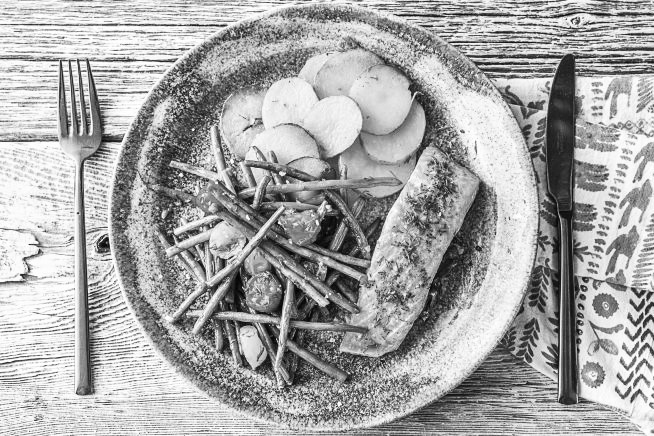
Classic Roasted Salmon

Courtesy: Hello Fresh

with Crispy Potato Rounds, Tomatoes and Green Beans


By Hello Fresh

When we want a meal that’s satisfying but still full of wholesome ingredients that we can feel good about, we turn to salmon. The fish is not only nice, firm, and meaty, it’s packed with heart-healthy omega-3s. Add some thoughtfully chosen veggies to the side (we’ve opted for green beans and tomatoes this time), along with a smattering of fresh herbs for pizazz, and you’ve got the perfect equation for keeping it hale and hearty during the weeknight hustle and bustle.


Cooking Time: 30 min.

Servings: 2

Nutrition: Calories: 560

Ingredients:

  • Heirloom Tomatoes- 4 oz.
  • Garlic- 2 Cloves
  • Dill- 1/4 oz.
  • Yukon Potatoes- 12 oz.
  • Green Beans- 6 oz.
  • Skin-On Salmon Fillets- 10 oz.
  • Butter- 1 tbsp
  • Olive Oil- 1 tbsp
  • Salt and Pepper


Preparation:

  1. Wash and dry all produce. Preheat oven to 425 degrees. Fill a large pot with water and a pinch of salt and bring to a boil. Halve tomatoes lengthwise. Thinly slice garlic. Pick dill fronds from stems and finely chop. Slice potatoes into ½-inch-thick rounds.
  2. Once water is boiling, add green beans to pot. Let boil until they turn bright green, 1-2 minutes. Remove from pot with a slotted spoon and transfer to a strainer, keeping pot of boiling water on stove. Rinse green beans under cold water. Add potatoes to same pot and boil until easily pierced by a knife, 12-15 minutes, then drain and let cool slightly.
  3. Meanwhile, melt 1 TBSP butter in a large pan over medium heat. Add tomatoes and season with salt and pepper. Cook, tossing, until slightly wilted, 2-3 minutes. Add green beans and garlic. Cook, tossing, until tender, 2-3 minutes. Stir in half the dill. Season with salt and pepper. Remove from pan and set aside, covered, to keep warm.
  4. Place salmon skin-side down on a lightly oiled baking sheet. Sprinkle with a drizzle of olive oil. Season with salt and pepper. Roast in oven to desired doneness, 8-10 minutes.
  5. Once potatoes are done and cool enough to touch, transfer to a cutting board and lightly crush each round with the back of your knife. Heat a drizzle of olive oil in pan used for veggies over medium-high heat. Add potatoes and cook until browned, 2-3 minutes per side. (TIP: Work in batches if you can’t fit them all.) Sprinkle with remaining dill. Season with salt and pepper.
  6. Divide green beans, tomatoes, salmon, and potatoes between plates and serve


Does Where You Live Determine How Long You Live?

By Statepoint


From one corner of a city or county to another, life expectancy can vary by five, 10 or even 20 years, according to a report from the Center on Society and Health.


“What would it take to close those gaps across our community and ensure that everyone has the opportunity to be as healthy as possible?” asks Dr. Clyde Yancy, M.D., American Heart Association past president and chief of cardiology at Northwestern University in Chicago. “For many communities, it requires removing obstacles to health such as poverty and discrimination.”


Thirty million people in neighborhoods nationwide have little or no access to healthful food like fruits and vegetables, and almost two-thirds of teens living in the United States don’t get the recommended 60 minutes of daily physical activity. While progress is being made to help children grow up healthy, every state has communities with greater gaps and racial disparities.


To make sure all kids can lead a long and healthy life, a new campaign called Every Child Needs is shedding light on the types of resources schools and communities need to create healthy environments that help children succeed. As a result, more than 20 organizations dedicated to improving nutrition and increasing physical activity among children, have come together to build a foundation for a healthy future.


Experts involved have identified the following key elements that every child needs to grow up healthy.


A Healthy Start:

  • At hospitals and worksites, moms need support and guidance for breastfeeding to help ensure infants receive the best nutrition.
  • At home and in centers for early care and education, children need age-appropriate play and space to roll, crawl, wobble and run.
  • All kids require healthful drinks and food such as milk or water, fruits, vegetables and whole grains.


A Healthy School:

  • Nutritious school lunches and smart snacks, and a school free from marketing of junk foods and sugary drinks, are crucial.
  • Children need time to be active at recess; physical education and bursts of energy through classroom movement activities.


A Healthy Community:

  • On the way to school, every child needs safe sidewalks and street crossings to bike or walk.
  • After school, every child needs nutritious snacks, healthful beverages, and time to be active and play in afterschool programs.
  • Throughout the neighborhood, every child needs safe places to go for a walk, play at a park and ride on a bike; and grocery and corner stores stocked with appealing nutritious foods and drinks.

Community leaders: to get free tools, guidance and support to improve health in your community visit voicesforhealthykids.org. Parents and families: to participate in the conversation online about what children need in your community to grow up healthy, and to learn about joining a state or local coalition to be an advocate for change, visit voicesactioncenter.org.


“Every child needs and deserves the opportunity to grow up healthy,” says Yancy “Fortunately, we have the tools to improve health across the lifespan by ensuring every child has nutritious foods to eat and safe places to be active.”

When Steak Met Potatoes

Photo courtesy: Hello Fresh

and Creamed Kale with Peppercorn Sauce

By Hello Fresh


Cooking Time: 30 min.

Servings: 4

Nutrition: Calories: 525

Ingredients:

  • Yukon Gold Potatoes- 24 oz.
  • Kale- 8 oz
  • Shallot- 2
  • Black Peppercorns- ½ tsp
  • Sirloin Steak- 24 oz
  • Beef Stock Concentrate- 2
  • Sour Cream- 8 tbsp
  • Oil- 2 tbsp
  • Butter- 2 tbsp


Preparation:

  1. Preheat and prep. Wash and dry all produce. Preheat oven to 400 degrees. Cut potatoes into ¾-inch-thick wedges. Remove and discard stems and ribs from kale. Chop or tear leaves into 1-inch pieces. Halve, peel, and mince shallot. Use a mallet or heavy pan to pound and crush peppercorns in their bag until coarsely ground.
  2. Roast Potatoes. Toss potatoes with a drizzle of oil and a pinch of salt and pepper on a baking sheet or baking dish. Roast in oven until tender and lightly browned, 30-35 minutes, tossing halfway through.
  3. Cook Kale. Melt 1 TBSP butter in a large pan over medium heat. Add kale and a splash of water. Cook until leaves are completely wilted and very tender, 4-5 minutes. Season with salt and pepper. Remove from heat, keeping kale in pan.
  4. Sear Steak. Heat a drizzle of oil in a medium pan over medium-high heat. Season steak all over with salt and pepper. Add to pan and cook to desired doneness, 4-7 minutes per side. Remove from pan and set aside to rest, 5 minutes.
  5. Make Peppercorn Sauce: Heat another drizzle of oil in same pan. Add shallot and ¼ tsp crushed peppercorns (more or less to taste). Cook until shallots are soft, 2-3 minutes. Add stock concentrate and ½ cup water. Scrape up any browned bits from pan. Bring to a simmer and let bubble until reduced by half, 2-3 minutes. Remove pan from heat, then stir in half the sour cream.
  6. Make Creamed Kale and Plate. Return pan with kale to medium heat. When just warmed, remove from heat and stir in remaining sour cream. Season with salt and pepper. Slice steak against the grain. Divide between plates and serve next to potatoes and kale. Drizzle with sauce.

3 Things Everyone Living with Arthritis Should Know

By StatePoint

Arthritis includes more than 100 rheumatic diseases and conditions that affect joints. If you are living with arthritis, here are a few things you should consider.

1. Arthritis can affect people of all ages. Many people think of arthritis as an affliction that only affects adults as they reach old age or athletes who have suffered an injury (known as osteoarthritis). Although the incidence of arthritis does increase with age, younger people can also be affected by the disease. Autoimmune forms of arthritis, such as rheumatoid arthritis, psoriatic arthritis and ankylosing spondylitis, often strike people by the time they are middle-aged. Overall, it’s estimated that nearly one-fourth of all adults in the United States (22.7 percent, 54.4 million) have doctor-diagnosed arthritis. Seven percent of 18-44 year olds and 29 percent of 45-64 year olds report doctor-diagnosed arthritis, according to the Centers for Disease Control and Prevention.

2. You can now track your condition better and get support. Being diagnosed with a lifelong, chronic disease like arthritis can be overwhelming. Finding support, from friends, family, colleagues and online communities can help. For example, ArthritisPower, accessed online or downloaded as a free mobile app for android and iPhone, allows people with all forms of arthritis to track symptoms and treatments to see how they are doing over time. Users can send their results to doctors in advance of appointments to encourage more personalized and productive discussions. Note that ArthritisPower is a research registry. That means people must sign an informed consent to donate their data to researchers and learn more about other specific research studies announced in the app. The more people who participate in the registry, the more scientists can discover about arthritis. To learn more, visit arthritispower.org.

3. Surgery can help. In healthy joints, cartilage covers the ends of bones, allowing them to move smoothly and without pain. When arthritis (all forms) wears away or damages the protective cartilage, and other non-surgical treatments have proved unsuccessful, joint replacement (usually of the knee or the hip) is typically recommended, according to the American College of Rheumatology.

When an orthopedic surgeon replaces a joint, it involves removing worn out cartilage from both sides of the joint, followed by resurfacing of the joint with a metal and plastic replacement implant that looks and functions much like a normal joint. Over the past two decades, the safety and effectiveness of surgery, and the variety of hip and knee joint replacement devices has improved, thanks to research driven by surgeons and device makers. What’s missing, say experts, is a better understanding of patient experiences and preferences, particularly regarding what they value when making the decision to undergo surgery, pick a surgeon, and select a device.

“The good news is that this research is underway by patient-led research communities, such as ArthritisPower,” says W. Benjamin Nowell, Ph.D., Director of Patient-Centered Research at CreakyJoints, the online patient support community.

If you need joint surgery, it’s important that your preferences are central to your decision making at every step of the way, from timing of surgery, surgeon, implant device and recovery plan. Make sure to ask questions, get second opinions, and seek support. Surgery and recovery can be hard, but talking about them shouldn’t be.

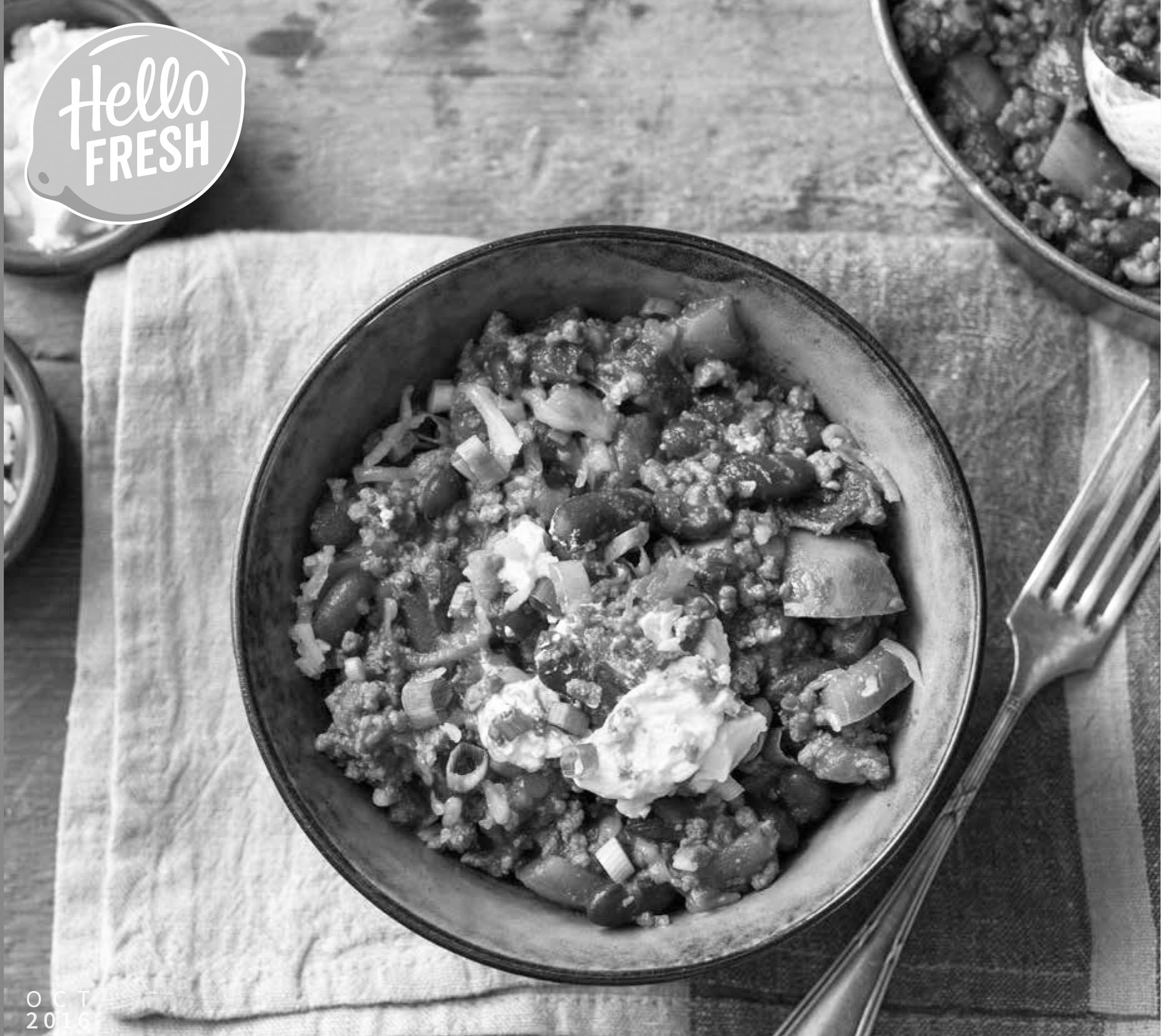
Smoky Beef and Poblano Chili

with Kidney Beans, Cheddar Cheese, and Sour Cream


By Hello Fresh


Take a quick trip to New Mexico by simmering smoky poblanos with ground beef, tomatoes, kidney beans, chili powder, and cumin. With a dollop of sour cream and a sprinkle of cheddar cheese to cool things off, this dish is as creamy as it is hearty.

Cooking Time: 30 min.

Servings: 2

Nutrition: Calories: 637 cal, Fat: 26g, Sat. Fat: 11 g, Protein: 46g, Carbs: 50 g, Sugar: 8 g, Sodium: 1243 mg, Fiber: 17 g

Ingredients:

  • Scallions- 2
  • Garlic- 1 clove
  • Poblano Pepper- 1
  • Kidney Beans-1 box
  • Ground Beef- 8 oz.
  • Chili Powder- 1t
  • Cumin- 1t
  • Beef Stock Concentrate- 1
  • Crushed Tomatoes- 1 Box
  • Cheddar Cheese- ½ Cup
  • Sour Cream- 2T
  • Olive Oil- 1t

Preparation:

  1. Prep: Wash and dry all produce. Thinly slice scallions. Mince garlic. Drain and rinse beans. Core, seed, and dice poblano pepper into ½-inch cubes.
  2. Brown the beef: Heat a drizzle of olive oil in a large pan over medium–high heat. Add ground beef. Break up into pieces, and cook until browned, 4-5 minutes. Season with salt and pepper. Remove from pan and set aside.
  3. Cook the veggies: Add poblano peppers, scallions, and garlic to the same pan. Toss until softened, 4-5 minutes. Add chili powder and cumin. Toss until fragrant, about 30 seconds. Season with salt and pepper.
  4. Simmer the chili: Add stock concentrate, beans, tomatoes, ground beef, and 1 cup water. Bring to a boil, then reduce to a simmer until thickened, about 10 minutes. Season to taste with salt and pepper. TIP: If you have time, simmer longer. The flavor gets better with time!
  5. Serve: Divide the smoky beef and poblano chili between bowls. Top with cheddar cheese and a dollop of sour cream. Enjoy!

How New Treatments for PTSD are Helping American Veterans

By StatePoint

When U.S. servicemen and women return from war, they often return home plagued by anxiety, depression and sometimes Post Traumatic Stress Disorder (PTSD), a disorder that develops in some people who have experienced shocking, frightening or dangerous events. And while the number of affected veterans is high, emerging treatments are improving their chances for recovery.

According to the Department of Veterans Affairs, PTSD afflicts up to one in five from Iraq and Afghanistan in a given year, and as many as one in three veterans from earlier conflicts, like Vietnam, during their lifetimes. As of 2013, roughly 400,000 veterans affiliated with the VA carried this diagnosis. These figures suggest that psychological trauma is a staggering burden on active-duty troops, veterans and society.

“Returning home and resuming normal life can be a challenge for any service member. But for someone suffering from PTSD, it can be a crisis,” says Captain Keith Stuessi, M.D., a former Navy doctor and member of the board of Help Heal Veterans, the nation’s largest provider of free therapeutic arts-and-craft kits to U.S. veterans and active duty military personnel.

Because the science of PTSD was not well understood until recently, past treatments varied from heavy drugs to hospitalization to simply telling patients to forget about their experiences. But today, clinicians increasingly believe it’s important to employ emerging therapies along with psychotherapy and medication in a holistic treatment approach.

• Mindfulness. According to a new study, adding mindfulness to traditional therapy could be beneficial for soldiers with PTSD. Mindfulness means focusing attention on sensory perceptions and bodily sensations and includes meditation, yoga, breathing exercises and tai-chi. Mindfulness has been shown to decrease heart rate and blood pressure.

• Art therapy. When someone expresses feelings through art, the mind can begin to let go of trauma by transferring images and ideas to another object of the patient’s creation. Art therapy can help veterans communicate memories, relieve stress and reduce symptoms of trauma-related disorders.

• Craft Therapy. Craft therapy has been proven to be an extremely effective PTSD treatment, and ample evidence suggests it has a positive overall impact on brain function. Foremost, craft therapy helps vets take their minds off events that may have led to their illness. Engaging in craft activities has been shown to address cognitive, neurological and sensory-motor needs by targeting performance skills. It has been shown to help promote the use of right- and left-brain functioning and help maintain cognitive functioning. More information about craft therapy can be found at HealVets.org.

“I’ve seen firsthand how instrumental these emerging therapies can be. Craft therapy, in particular, gives veterans a sense of pride, purpose and productivity, as well as opportunities to connect with family and friends,” says Joe McClain, Captain USN (Retired), CEO of Help Heal Veterans. “The sad reality is that many vets will come home with psychological wounds. Fortunately, the medical community is learning more about effective treatments every day.”

Italian Ciabatta Cheeseburgers

with Mozzarella, Onion and Balsamic Greens


By Hello Fresh

Cooking Time: 30 mins

Servings: 4

Nutrition: 830 Calories

Ingredients:


  • Red Onion- 1
  • Garlic- 1/2 tsp
  • Tomato Paste- 1 tbsp
  • Balsamic Vinegar- 2 tbsp
  • Ground Beef- 20 oz.
  • Mozzarella Cheese- 1 cup
  • Ciabatta Bread- 4
  • Heirloom Grape Tomatoes- 8 oz.
  • Spring Mix Lettuce- 4 oz.
  • Dried Cranberries- 2 oz.

1  PREHAEAT OVEN AND COOK ONION.    Wash and dry all produce. Preheat oven or toaster oven to 400 degrees. Halve, peel, and thinly slice onion. Heat a large drizzle of olive oil in a large pan over medium heat. Add onion and 2 tsp sugar. Cook, tossing, until browned, 6-8 minutes. Season with salt and pepper. Remove from pan and set aside.


MAKE VINAIGRETTE.    While onion cooks, mince or grate garlic until you have ½ tsp. In a large bowl, whisk together 1 TBSP tomato paste, 2 TBSP balsamic vinegar, 2 TBSP olive oil, and as much minced garlic as you like (we sent more tomato paste and vinegar than needed). Season with salt and pepper.


3 COOK BURGERS.       Wipe out pan used for onion, then heat a large drizzle of olive oil in it over medium-high heat. Shape beef into 4 patties. Season all over with salt and pepper. Add to pan and cook until just shy of desired doneness, 2-4 minutes per side. Sprinkle mozzarella on top of each. Cover pan and continue cooking until cheese melts, about 1 minute more.


4  TOAST BREAD AND PREP.       While burgers cook, split ciabatta in half. Toast in oven or toaster oven until golden, 3-5 minutes (place them on a baking sheet first if toasting in oven). Halve tomatoes lengthwise.


5  TOSS SALAD.   Add lettuce, tomatoes, and cranberries to bowl with vinaigrette and toss to combine. Season with salt and pepper.


6  ASSEMBLE AND SERVE.      Fill ciabattas with burgers, onion and a small amount of salad. Divide between plates and serve with remaining salad on the side.

Peripheral Artery Disease: Are You at Risk?

Courtesy: StatePoint

By StatePoint

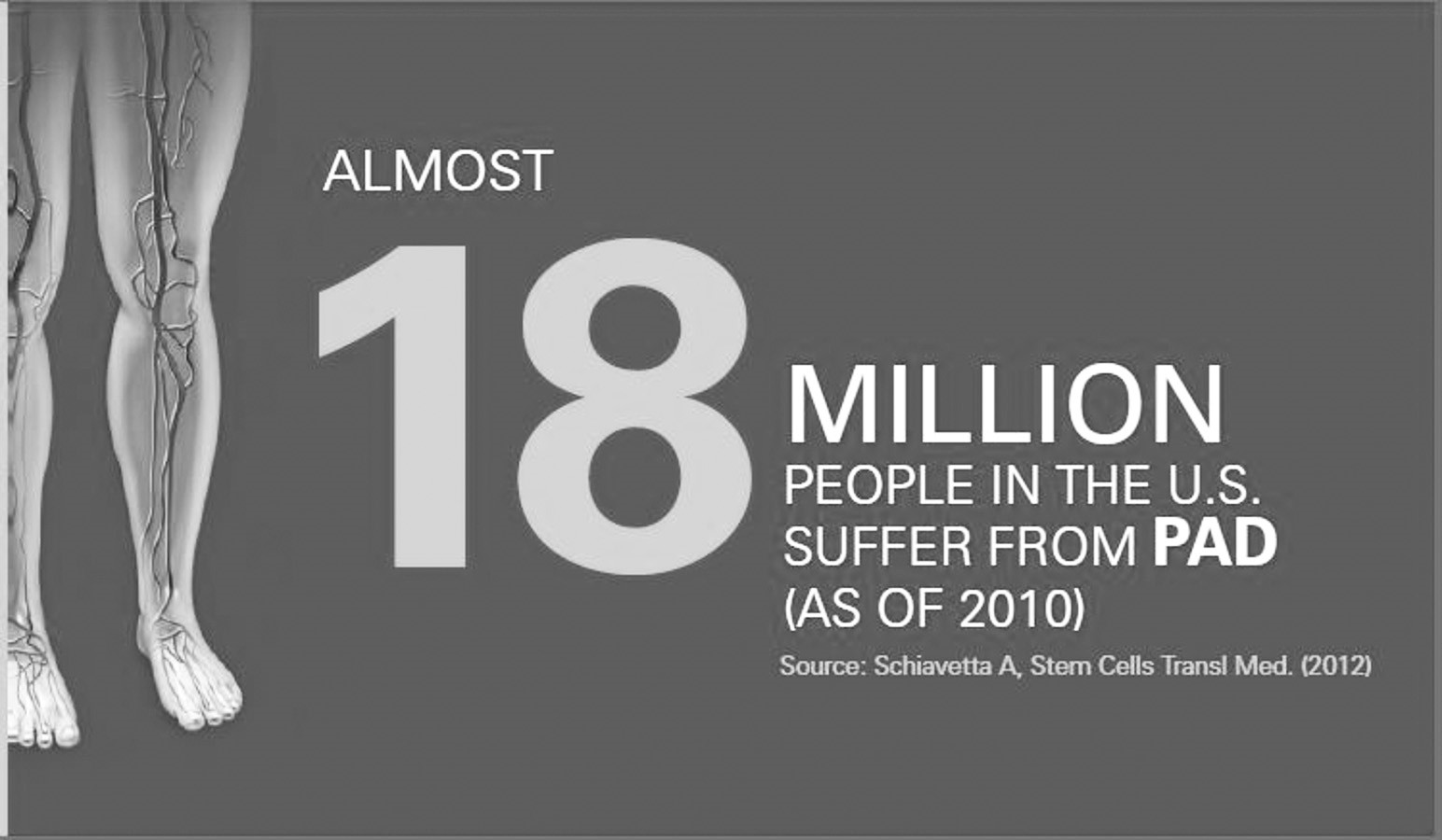
Do you blame “getting older” for your leg pain or difficulty walking? Do you just accept it and do the best you can? You could actually be suffering from a condition called peripheral artery disease (PAD). PAD now affects more than 8.5 million American adults, according to the American Heart Association, and if left untreated, can increase your risk of losing a portion of your toes, feet and legs to amputation. The good news is that PAD can be managed when diagnosed early.


PAD is a vascular disease that mainly affects the arteries that carry blood to the legs and feet. It is primarily caused by the buildup of fatty plaque in the arteries, called atherosclerosis. This buildup reduces blood flow through the arteries and can lead to pain and lack of mobility. Those at the highest risk of PAD are over the age of 50, with high blood pressure, high cholesterol and diabetes. PAD is also caused by eating high-fat foods, lack of exercise, smoking, stress or excess weight. The more risk factors you have, the greater your chances are of developing PAD.


One of the classic symptoms of PAD is a dull, cramping pain in the legs, hips, or buttocks during exercise, such as walking. This pain stops at rest, which is why many people mistake the symptoms of PAD as a normal sign of aging. Other symptoms can include: weakness in legs, skin wounds or sores on your legs, feet, or toes that are slow to heal or foot or toe pain that often disturbs your sleep. While these are classic signs and symptoms, up to 40 percent of individuals with PAD have no leg pain, according to the National Center for Chronic Disease Prevention and Health Promotion, which is why routine check-ups with your doctor are important.


“The primary goal is to restore and preserve adequate blood flow to the extremities,” said Dr. Jihad Mustapha, director of cardiovascular research at Metro Health – University of Michigan Health. “When the pain is frequent and the ability to move is affected, this indicates that the disease is progressing. At that point, it may be necessary to treat significantly blocked arteries with a medical procedure, which range from less invasive catheter-based treatments to more invasive surgical options.”


Talk to your doctor to find out if you should be screened for PAD and what you can do to lower your risk. Some key questions to ask your doctor include:


  • Does my medical history raise my risk for PAD?


  • Which screening tests or exams are right for me?


  • What is my blood pressure? Do I need to manage these numbers?


  • What are my cholesterol numbers? Do I need to do anything about them?


To learn more about PAD and available treatment options, visit http://www.bostonscientific.com/PADMonth, a patient resource from Boston Scientific.


During PAD Awareness Month, talk to your health care provider to find out if you should be screened for PAD and what you can do to lower your risk.


Clark’s “Live Better” Health Tip: Step Right Up!

By C Doussett MPH, RDN


Good news for anyone currently writing or planning on writing a diet book. There is enough consumer confusion and low-powered studies on so many aspects of diet and nutrition, that a well-thought out title and one celebrity endorsement is all you need. Is that to say that diet books don’t work if you work them or have their place on our bookshelves (or mobile reading device)? Certainly they do, as long as we recognize universal patterns of weight loss techniques and subscribe to the notion that anything we are told to do is temporary, as we work out personal habits that lead to lasting change.

There are two aspects of almost every diet book sure to be present and in congruence. The first is the ever-so-imperceptible, yet ubiquitous introductory caloric deficit. Rapid weight loss is the hallmark of diet books and is attributed, at first, to caloric restriction and water loss. This weight loss is rarely fat loss (desired target), as it tends to be primarily water due to carbohydrate (carbs) restriction. Focusing on carb reduction does two things; firstly, many carbs we eat are water rich themselves either inherently or via water preparation and cooking methods. Secondly, once carbs are digested in the body they are stored with three times their weight in water along with ingested fluids. Lose the carbs and water follows! After carb restriction we factor in the prescribed “permissible” food recommendations which limit our food choices; thereby reducing total fat and sugar percentages and protein sources. Everyone seems to be in agreement that sugar consumption should be reduced, but fat intake percentages is a very personal number that needs to be arrived at dutifully. Diet hack alert: while most non-dieting Americans get enough protein from eating pizza, grain-based desserts, and chicken nuggets, most dieters do not. Dieters should prioritize protein either by eating some with every meal or, more exactingly, calculating how many grams are needed daily and ingesting larger amounts in fewer sittings (1/2 to 1-1/2 grams of protein per pound of bodyweight is an excellent starting point).

The second diet-book “trick-up-the-sleeve” is the imposition of order on chaotic eating patterns. Simply put, most of us tend to eat in a disorganized manner according to the dictates of our wants and not our goals. Choosing four or five nutritious meals and rotating them allows us to assess more accurately how we feel, how we perform, and how we sleep; all important outcomes when assessing our diets. Or we can learn about meal choices when eating out, or how to shop the periphery of a super market, or how protein in the morning tends to balance sugar cravings during the day. All very orderly impositions on our often hectic, chaotic, and stressful daily life.

Finally, since consumer trends have proven we like diet books and will continue to purchase them, here are some well-researched and easy-to-read book recommendations you may want to consider adding to your collection.

  • “The Art and Science of Low Carbohydrate Living”, Volek & Phinney. This is for individuals who may have become disenchanted with other approaches to weight loss and are looking to shake things up.
  • “The Hungry Brain”, S. Guyenet. For those looking for a little more science in their reading. Spoiler alert: carbs are not the enemy
  • “Always Hungry”, D. Ludwig. For individuals diagnosed with prediabetes or have a family history of diabetes or obesity: contains delicious recipes.
  • “The Complete Mediterranean Diet”, M. Ozner. This alluring diet has been well tested and modern day iterations provide excellent eating templates.
  • “Fork over Knives: The Cookbook”, D. Sroufe. Plant-based recipe book, companion to a thought-provoking documentary.

As always, have healthy day!

Omega 3 Fish Oil + Strength Training Improves Immune Function For Women

By: Starkie Sowers

A recent study done in Brazil at Parana Federal University and Pequeno Principe Research Institute included 45 females (average age 64 yrs.). The study compared Omega 3 fatty acids, versus omega 3 fatty acids and exercise. Including the exercise seemed to enhance the ‘aging’ immune system. It is well noted that the immune system in later years changes or morphs into a less efficient immune system. This makes the elderly more susceptible to infection, autoimmune, chronic and or malignant diseases. Physical activity and diet have been shown to have a moderating effect on immune function. Excessive exercise has been shown to increase inflammation while moderate exercise increases T-cells immune response.

This study had three groups; the first group had no exercise and used supplemental omega 3 fatty acids 2 grams a day for 90 days. Group 2 used the same 2 g. a day coupled with strength training exercises, and finally the last group used 2 g. of fish oil for 60 days with no exercise then followed with another 90 days of 2 g. of fish oil and strength training. All strength training was three days a week.

Various immune parameters were assayed before the supplementation test as well as before and after training. Results showed improved immune function for all fish groups. It showed increasing activity of neutrophils (white blood cells), CD-4 and CD-8 lymphocytes which fight infection and the production of cytokines. Production of cytokines IL-2 and IFN-g., small proteins that fight infection, increased after supplementation by 80% of IL-2, and 60% of IFN-g. Also there was an increase by 85% and 88% respectively with the supplementation and exercise groups.

Strength training with supplementation out shined the supplementation alone group. While these results were very favorable larger groups and further screening is needed to confirm the results. Diet assessment was recorded with a diary, and the authors noted no changes in diet.


Herbed Chicken Over Zucchini Risotto

with Shallot and Blistered Tomatoes

By Hello Fresh


Cooking Time: 35 mins

Servings: 4

Nutrition: 510 Calories

Ingredients:

  • Shallot- 2
  • Dill- ¼ oz
  • Zucchini- 4
  • Grape Tomatoes- 8 oz
  • Chicken Breasts- 24 oz
  • Herbs de Provence- 2 tbsp
  • Italian Cheese Blend- 1 cup
  • Sour Cream- 4 tbsp
  • Whole Wheat Pita- 2

1  PREHEAT AND PREP.   Wash and dry all produce. Preheat oven or toaster oven to 400 degrees. Halve, peel, and thinly slice shallot. Pick dill fronds from stems and roughly chop; discard stems. Grate zucchini using the large holes of a box grater.

BLISTER VEGGIES.    Heat a drizzle of olive oil in a large pan over medium-high heat. Add shallot and cook, tossing, until translucent, about 3 minutes. Add tomatoes and increase heat to high. Cook until tomatoes are blistered and shallot is crisp at edges, 3-5 minutes. Remove from pan and set aside.

3  BUTTERFLY CHICKEN.   With your hand on top of one chicken breast, cut ¾ of the way, parallel to cutting board, stopping before you slice through completely. Open it up, cover with plastic wrap, and pound with a mallet or heavy pan until an even thickness throughout. Repeat with other chicken breast.

COOK CHICKEN.   Wipe out pan used for veggies and heat a drizzle of olive oil in it over medium-high heat. Season chicken all over with salt, pepper, and herbs de Provence. Add to pan and cook until browned and cooked through, 3-5 minutes per side. Remove from pan and set aside to rest. TIP: Loosely cover chicken with foil to keep warm.

5  COOK ZUCCHINI.   Rinse out same pan and heat a drizzle of olive oil in it over medium-high heat. Add zucchini and cook, stirring frequently, until tender, 5-7 minutes. Remove from heat and stir in Italian cheese blend, sour cream, and half the dill. Season generously with salt and pepper.

6 PLATE AND SERVE.   Cut pita in half and toast in oven or toaster oven until warm and slightly crisp, 2-4 minutes. Divide zucchini mixture between plates along with veggies. Top with chicken and garnish with remaining dill. Serve with pita on the side.

Clark’s Nutrition “Live Better” Health Tip: Step Right Up!

By C Doussett MPH, RDN


Good news for anyone currently writing or planning on writing a diet book. There is enough consumer confusion and low-powered studies on so many aspects of diet and nutrition, that a well-thought out title and one celebrity endorsement is all you need. Is that to say that diet books don’t work if you work them or have their place on our bookshelves (or mobile reading device)? Certainly they do, as long as we recognize universal patterns of weight loss techniques and subscribe to the notion that anything we are told to do is temporary, as we work out personal habits that lead to lasting change.

There are two aspects of almost every diet book sure to be present and in congruence. The first is the ever-so-imperceptible, yet ubiquitous introductory caloric deficit. Rapid weight loss is the hallmark of diet books and is attributed, at first, to caloric restriction and water loss. This weight loss is rarely fat loss (desired target), as it tends to be primarily water due to carbohydrate (carbs) restriction. Focusing on carb reduction does two things; firstly, many carbs we eat are water rich themselves either inherently or via water preparation and cooking methods. Secondly, once carbs are digested in the body they are stored with three times their weight in water along with ingested fluids. Lose the carbs and water follows! After carb restriction we factor in the prescribed “permissible” food recommendations which limit our food choices; thereby reducing total fat and sugar percentages and protein sources. Everyone seems to be in agreement that sugar consumption should be reduced, but fat intake percentages is a very personal number that needs to be arrived at dutifully. Diet hack alert: while most non-dieting Americans get enough protein from eating pizza, grain-based desserts, and chicken nuggets, most dieters do not. Dieters should prioritize protein either by eating some with every meal or, more exactingly, calculating how many grams are needed daily and ingesting larger amounts in fewer sittings (1/2 to 1-1/2 grams of protein per pound of bodyweight is an excellent starting point).

The second diet-book “trick-up-the-sleeve” is the imposition of order on chaotic eating patterns. Simply put, most of us tend to eat in a disorganized manner according to the dictates of our wants and not our goals. Choosing four or five nutritious meals and rotating them allows us to assess more accurately how we feel, how we perform, and how we sleep; all important outcomes when assessing our diets. Or we can learn about meal choices when eating out, or how to shop the periphery of a super market, or how protein in the morning tends to balance sugar cravings during the day. All very orderly impositions on our often hectic, chaotic, and stressful daily life.

Finally, since consumer trends have proven we like diet books and will continue to purchase them, here are some well-researched and easy-to-read book recommendations you may want to consider adding to your collection.

  • “The Art and Science of Low Carbohydrate Living”, Volek & Phinney. This is for individuals who may have become disenchanted with other approaches to weight loss and are looking to shake things up.
  • “The Hungry Brain”, S. Guyenet. For those looking for a little more science in their reading. Spoiler alert: carbs are not the enemy
  • “Always Hungry”, D. Ludwig. For individuals diagnosed with prediabetes or have a family history of diabetes or obesity: contains delicious recipes.
  • “The Complete Mediterranean Diet”, M. Ozner. This alluring diet has been well tested and modern day iterations provide excellent eating templates.
  • “Fork over Knives: The Cookbook”, D. Sroufe. Plant-based recipe book, companion to a thought-provoking documentary.

As always, have healthy day!

Amazing Apricot Chicken

with Roasted Potatoes and Green Beans


By Hello Fresh


Cooking Time: 35 mins

Servings: 4

Nutrition: 500 Calories

Ingredients:

  • Fingerling Potatoes- 24 oz
  • Green Beans- 12 oz
  • Shallot- 1
  • Chicken Breasts- 24 oz
  • Thyme- 1/4 oz
  • Balsamic Vinegar- 4 tbsp
  • Apricot Jam- 1 oz
  • Chicken Stock Concentrates- 2


1  PREHEAT OVEN AND ROAST POTATOES.  Wash and dry all produce. Preheat oven to 425 degrees. Cut potatoes in half lengthwise. Toss on a baking sheet with a large drizzle of olive oil and a pinch of salt and pepper. Roast in oven until tender and lightly browned, 20-25 minutes, tossing halfway through.

ROAST GREEN BEANS.  Toss green beans on another baking sheet with a large drizzle of olive oil and a pinch of salt and pepper. Roast in oven until slightly crispy, about 12 minutes.

3  PREP SHALLOT.  Halve and peel shallot, then finely mince.

COOK CHICKEN.  Heat a large drizzle of olive oil in a large pan over medium-high heat. Pat chicken dry with a paper towel, then season all over with salt and pepper. Add to pan and cook until no longer pink in center, 4-5 minutes per side. Remove from pan and set aside to rest.

5  MAKE SAUCE.  Add shallot, thyme, and a drizzle of olive oil to same pan over medium heat. Cook, tossing, until shallot is so, 2-3 minutes. Stir in balsamic vinegar and apricot jam. Let simmer until syrupy, about 1 minute. Stir in ½ cup water and stock concentrates. Simmer until thickened, about 3 minutes. Remove pan from heat, add 2 TBSP butter, and stir or gently swirl pan until melted.

6 PLATE AND SERVE. Discard thyme from pan. Season sauce with salt and pepper. Thinly slice chicken. Divide chicken, green beans, and potatoes between plates. Drizzle sauce over chicken and serve.

How to Help Your Child Prepare for Kindergarten

By StatePoint

Kindergarten is an exciting time for children, but it can also be a stressful time of change — not just for little ones, but for parents, too. Although each child is unique and develops at his or her own pace, most educators and experts agree that four key areas of development are essential for further growth and achievement in school.

To help your child prepare for kindergarten and make a smooth transition, here are a few ways to support these key areas of development at home:

• Vocabulary and Oral Language Development: Encourage your child to communicate through words. Have your child tell you a story, asking questions that invite description. For example, if your child says a dog was chasing a stick, ask what color was the dog? Did he run fast or slowly? Was the stick big or small? In public, give your child opportunities to speak for him or herself or make requests. If he or she is asked what they want to eat and drink at a restaurant, let your child reply, even if you know the answer.

• Social-Emotional Skills: Children will use social-emotional skills every day once in kindergarten, whether they’re asking a teacher for help, being polite to classmates or following instructions. Scheduling a fun, unstructured play date is a great way to let children interact with peers, helping them learn to share and express themselves through play.

• Small Motor Control: Developing small motor skills can be as easy as coloring with your child and cutting with scissors — anything that gets those fingers and toes moving! Other great activities include putting puzzles together, building with blocks, throwing, catching and kicking a ball, riding a tricycle as well as activities like running, jumping and climbing.

• Attention to Sensory and Visual Detail: Paying attention to one’s senses is a mindful practice that can help prepare children for the academic world of kindergarten. Noticing textures, smells and tastes, and using language to describe these details, fosters vocabulary development and encourages children to compare and contrast their experiences. At snack time, ask your child to describe the food with words like sweet or sour, crunchy or juicy, rough or smooth. When playing with puzzles, ask your child to sort the puzzle pieces and then describe what colors, patterns, edges, or other visual details the pieces share.

Parents may find certain tools useful towards helping children learn core school and life skills. For example, LeapFrog’s LeapStart Learning System gets kids excited about counting, learning to read, problem solving and more with fun, re-playable activities. An ergonomic stylus reads invisible dots on every page, triggering questions, challenges, songs, jokes and more. Engaging new content featuring popular children’s characters and the availability of LeapFrog’s acclaimed Learn to Read series give children the tools they need to build tomorrow’s skills today.

Don’t worry if your child hasn’t mastered all his or her letters, sounds and numbers by the time school starts. Children come to kindergarten at many different levels. The teacher will practice these skills with your child throughout the school year, but you can help by continuing to reinforce them at home.

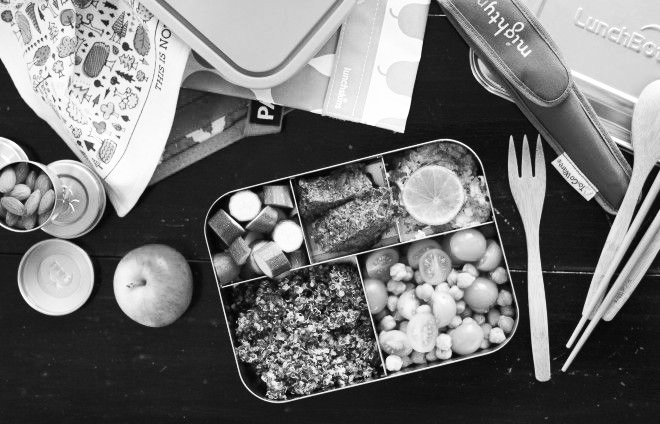
5 Easy Ways Families Can Go Green When Packing School Lunches

Photo courtesy: Statepoint

By StatePoint

While packing lunch for the kids can seem like a daily grind, you can use the task as an opportunity to help kids form great lifelong habits.

Here are five small ways changing your lunch-making routine can have large, positive impacts on the environment, your wallet and your kids’ health.

  1. Pack with reusables. On average, a school-age child with a lunch packed in single-serve disposable materials like plastic snack bags or juice boxes generates 67 pounds of waste per school year, which equates to 18,760 pounds of lunch waste for an average-size elementary school, according to the estimates of Waste Free Lunches, a non-profit organization.

Reduce your contribution to this waste and save money in the process with reusable containers. Waste Free Lunches estimated that choosing only reusable containers can save you almost $250 per person, per year. To learn more about reducing lunchtime waste on the household or community level, visit, WasteFreeLunches.org.


  1. Choose Made in USA. The “3 Rs” — Reduce, Reuse and Recycle — are a great refrain for environmentalists, but to ensure your family’s daily habits are minimally impacting the environment, consider adopting the simple act of choosing Made in USA products. This small change automatically reduces one’s carbon footprint by a magnitude of 10, according to a recent study conducted by Nalgene Outdoor, which offers a vast variety of BPA- and BPS free reusable water and food containers in a myriad of colors and designs, ranging in size from 12-ounces to 48-ounces. You can help explain the significance of buying Made in USA products to kids by telling them it’s like leaving a light on for 30 minutes vs. 3 minutes.


  1. Buy food local. Without a doubt, the most nutrient-rich and often most cost-effective way to procure fresh produce is locally. Additionally, anything sourced within 100 miles of home has a significantly lower carbon footprint than something that has traveled through hemispheres to reach your grocery store shelves. Community Supported Agriculture (CSA), co-ops and farmers markets are popular ways to find local produce direct from farmers. Check out localharvest.org to find a program near you.


  1. DIY grab-and-go snacks. Prepackaged snacks are often priced at a premium and rarely offer nutritious enrichment, but with just a little prep work, you can create your own healthy options more affordably.

“I try to choose storage containers that are already pre-portioned so I know the portion that I’m packing,” says Peggy O’Shea Kochenbach, a registered dietitian nutritionist. “Pack nutritious items like fruits, vegetables and nuts in clear containers in the pantry or refrigerator on Sunday, so that they are ready to ‘grab and go’ for the week.”

For safety, store items in BPS- and BPA-free reusable containers, such as those from Nalgene Outdoor Products, which offers a line of reusable storage containers that are clear, ranging in size from 4-ounces to 16-ounces and that are also dishwasher safe.


  1. Green your clean-up. Parents should seek reusable items that can both sustain kids’ rough and tough daily activities, but also survive the dishwasher. Close label reading shows that many reusable lunch containers suggest “hand washing.” However, items that are dishwasher-safe can keep your household saner, cleaner and greener. For your family, cleaning is easy-peasy; and for the environment, research shows a good dishwasher saves 3,870 gallons of water over its lifetime and uses less energy than conventional models, which helps reduce air pollution and combat global climate change, according to the ENERGY STAR program.


The Pat LaFrieda Burger

By HelloFresh

with Balsamic Onions and Crispy Cauliflower Oven Fries

By HelloFresh

Ingredients:

10 ounce

Cauliflower Florets


0.25 cup

Panko

(ContainsWheat)


1 unit

Red Onion


1 clove

Garlic


1 tablespoon

Balsamic Vinegar


10 ounce

Pat LaFrieda Hamburger Blend


1 teaspoon

Dried Oregano


1 tablespoon

Mayonnaise

(ContainsEgg,Soy)


2 unit

Buns

(ContainsWheat,Egg,Soy,Milk)


4 teaspoon

Vegetable Oil*


Salt*

Pepper*


Total: 30 min

Calories: 820


Instructions:

  1. Wash and dry all produce. Preheat oven to 425 degrees. Toss cauliflower with panko, a large drizzle of oil, and a pinch of salt and pepper in a medium bowl. Transfer to a baking sheet and bake until browned and crisp, about 25 minutes.
  2. Halve, peel, and thinly slice onion. Mince or grate 1 clove garlic (use the other clove as you like).
  3. Heat a drizzle of oil in a large pan over medium heat. Add onion and cook until softened, 4-5 minutes, tossing occasionally. Stir in 1 TBSP balsamic vinegar (we sent more) and reduce heat to low. Cook until very so‡, about 10 minutes. Season with salt and pepper. Remove from pan and set aside.
  4. Shape Pat LaFrieda Hamburger Blend into two patties with your hands (you’ll want them to be slightly wider than the buns). Season with oregano, salt, and pepper. Carefully wipe out pan you cooked onion in with a paper towel, then heat a drizzle of oil in it over medium-high heat. Add patties and cook to desired doneness, 3-5 minutes per side.
  5. In a small bowl, combine 1 TBSP mayonnaise (we sent more) and a pinch of garlic. Season with salt, pepper, and more garlic (to taste). Split buns in half, place on another baking sheet, and toast in oven until golden brown, 3-5 minutes.
  6. Spread aioli on buns, then fill each with a burger and some onion. Serve with cauliflower on the side.

Tips to Incorporate Music into Your Family’s Daily Routine

By StatePoint

The benefits of music education are endless. Studies have associated music education with higher test scores, improved concentration and more. But if you are a parent, you probably know how it goes: many children will begin a music program with enthusiasm, only to complain about practicing a short time later, sometimes even asking to quit.

Music should never be a chore, however. Here are tips for parents to incorporate music into their family routine in ways that are fun and positive.

• Plan a music night. Create an evening where all activities revolve around music. Take turns at the karaoke machine. Play a music-themed trivia game. Hold a family concert night or talent show where everyone gets a chance to perform. Sing instead of speak. Watch a favorite musical.

• Take a class together. You can inspire by example by taking a music class with your child. You don’t necessarily need to find a class designed for parents and kids, although there are plenty of such classes available.

• Use new tools and tech. New tools can be used at home to make music fun. For example, Casio keyboards feature a Dance Music Mode, which divides the piano keyboard into different instrument sections, like drums, bass and more. Fifty built-in styles, as well as familiar effects like stutter and filter, make it easy and fun for anyone to create and remix dance music. To learn more, visit casiomusicgear.com.

• Attend a live performance. Take time to simply appreciate music. Sample different musical styles and broaden your horizons by attending live concerts and shows.

• Play name that tune. In the car with the radio playing? Play “Name that Tune.” Keep a running tally of who knows the most songs.

By making music fun, your children will be more likely to reap the benefits of making and enjoying music their entire lives.