Tag Archives: Healthy Living

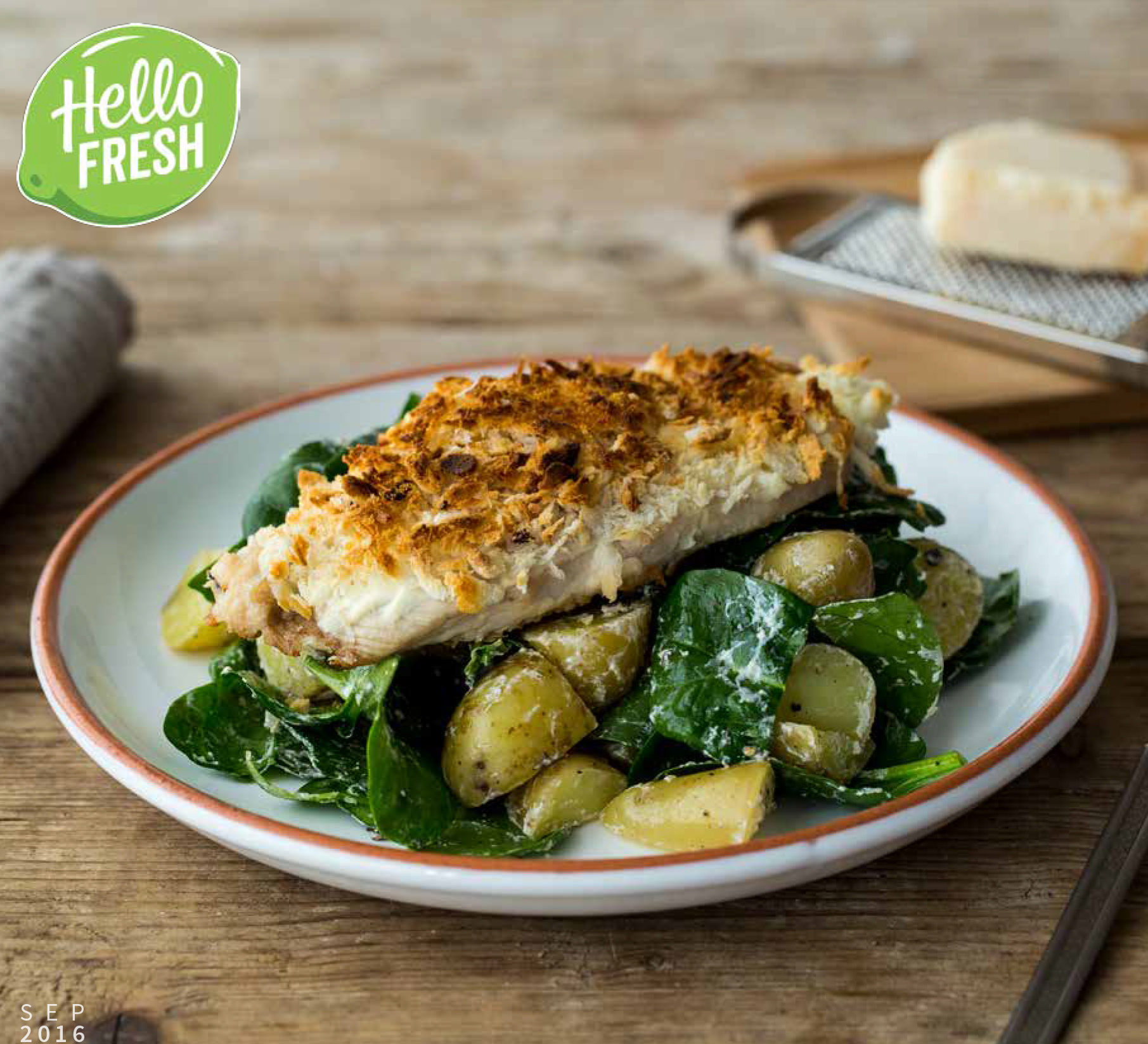
Crispy Chicken Parmesan Salad

with Spinach and Roasted Potatoes

By Hello Fresh  recipe-pic-1-web

Best part of chicken Parmesan? The thick layer of gooey, creamy cheese melted on top of crispy chicken. In this dish, we’ve recreated the same dreamy combination but given it a lighter twist by tossing in some greens. Needless to say, it’s the best of both worlds.

Cooking Time: 30 min.

Servings: 2

Ingredients:

  • Chicken Breasts- 12 oz.
  • Yukon Potatoes -12 oz.
  • Spinach- 5 oz.
  • Panko Breadcrumbs- ¼ cup
  • Parmesan Cheese- ¼ cup
  • Garlic Powder -1t
  • Source Cream-3 T
  • Lemon- 1
  • Olive Oil- 4t

Preparation:

  1. Prep: Wash and dry all produce. Preheat the oven to 450 degrees. In a shallow dish, combine the panko, Parmesan cheese, garlic powder, and a pinch of salt and pepper. Cut the potatoes into 3/4- inch cubes and toss on a baking sheet with a drizzle of olive oil and a large pinch of salt and pepper.
  2. Roast the potatoes: Place the potatoes in the oven for 25 minutes, flipping once, until golden brown and tender.
  3. Pound the chicken breasts: Working one at a time, place the chicken breasts between two pieces of plastic wrap. Pound with a rolling pin, mallet, or heavy-bottomed pan until ½-inch thick. Season with salt and pepper.
  4. Bake the chicken: Place the chicken on a lightly oiled baking sheet and spread with 1 Tablespoon sour cream each. Press the panko mixture into the sour cream. Place in the oven for 12-15 minutes, until the chicken is cooked through and crispy.
  5. Make the dressing: Halve the lemon. Cut one of the halves into wedges. In a large bowl, combine 1 Tablespoon sour cream, a large drizzle of olive oil, a squeeze of lemon juice, and a pinch of salt and pepper.
  6. Dress the spinach and potatoes: When the potatoes are ready, toss them into the bowl with the dressing along with the spinach. Season with salt and pepper.
  7. Plate: Serve the crispy chicken Parmesan on a bed of spinach salad with a wedge of lemon for squeezing. Enjoy!

Ask Clark’s

A questions from Vivian of Corona

By Clark’s Nutrition  "ask clarks" header

“I have noticed that lots of foods say low cholesterol. What is cholesterol and why is this important? And should I only eat low cholesterol foods?”

Cholesterol is a natural substance manufactured in the body and consumed in foods. As you might already know, blood cholesterol is typically monitored by your doctor during regular visits. The process of monitoring your cholesterol is done through blood testing. There are different types of cholesterol. The most commonly talked about are LDL (low-density lipids) and HDL (high density lipids). Why are these so important? Cholesterol levels, when elevated and out of balance are considered a warning sign of cardiovascular disease. Typically a good blood value level is considered to be 200 or less for total cholesterol. The LDL cholesterol is considered to the ‘bad’ guy, while HDL cholesterol is considered to be the ‘good’ guy. LDL and HDL cholesterol is manufactured in your body for various reasons. These include hormone production, lipid (fat) transport, cell membrane, vitamin D production and many other reasons. LDL cholesterol is a carrier of fats to cells but can, under certain conditions, deposit fat into arteries causing plaque buildup. Elevated LDL cholesterol is also strongly linked to cardiovascular disease. Certain foods elevate LDL cholesterol including trans-fats, saturated fats and cholesterol to a lesser extent. The most dominant in this area is trans fats (found in baked goods like cakes, cookies, doughnuts, and hydrogenated margarines and oils), and saturated foods (typically animal foods including eggs, meats and milk). Some saturated fats (such as coconut and palm oils) have a much lower effect on blood cholesterol and cholesterol levels overall. The amount of cholesterol recommended to be consumed daily is 300mg. Saturated fat total is suggested to be10% of total calories so a 2000 calorie diet would have 20 grams total. So what is a low cholesterol food product?  A low cholesterol food contains 20 milligrams or less per serving of cholesterol while having 2 grams or less of saturated/trans fats. Cholesterol free foods have less than 2 milligrams of cholesterol and 2 grams or less of saturated/trans fats. Less cholesterol foods have 25% or less cholesterol and 2 grams or less saturated/ trans fats total than the comparison food(s) (ie cookies with ‘Less Cholesterol’ compared to another product that has higher cholesterol). Also, please remember that including healthy fats in your diet helps in the equation of balanced HDL/LDL cholesterol. Good heart healthy fats include monounsaturated fats from avocadoes, flaxseeds, olive and peanut oils. Omega 3 fats are beneficial in helping to maintain good HDL cholesterol balance. These fats are found in fish (mackerel, salmon and sardines being most abundant), flaxseed, canola oil and walnuts being a good starting place. Omega three fats help to lower triglycerides (linked to high LDL), while having many heart protective factors as well. Fat balance is the biggest thing to remember for your diet. Foods that have fats are needed and are essential but having an abundance of bad fats including too much cholesterol is where problems can start.

Have a health related question?

Send us your question, your first and last name, and the city you live in to: askclarks@clarksnutrition.com

Due to the number of responses, we will only be able to answer published questions.


References

  1. http://www.heart.org/HEARTORG/Conditions/Cholesterol/AboutCholesterol/About-Cholesterol_UCM_001220_Article.jsp#.V7w8OpgrLIU
  2. Whitney, Understanding Normal and Clinical Nutrition, Wadsworth Cengage Learning, Belmount CA. 2012 pg. 57, 151-3
  3. Murray N.D., The Encyclopedia of Natural Medicine third ed., Atria New York, NY. 2012. Pg. 680


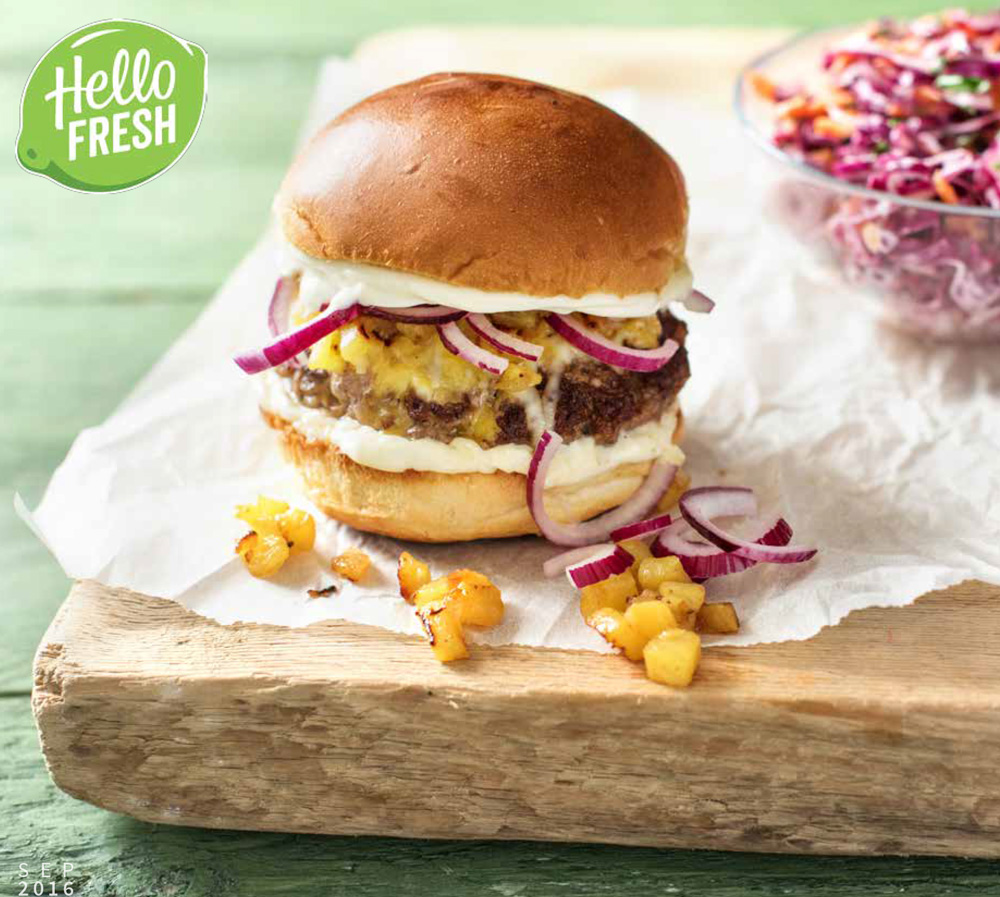
Caramelized-Pineapple Burgers

with Monterey Jack Cheese and Red Cabbage Slaw

By Hello Fresh Recipe-WEB

Did you know that pineapple is a traditional symbol of hospitality? If that’s not an excuse to share our Hawaiian inspired dish with loved ones, we don’t know what is. This tropical gem adds a hint of sweetness, and the slaw adds a welcome crunch. Together, the combination is unbeatable.

Cooking Time: 30 min.

Servings: 2

Nutrition: Calories: 769 cal, Fat: 38g, Sat. Fat: 12 g, Protein: 38g, Carbs: 68 g, Sugar: 23 g, Sodium: 650 mg, Fiber: 7 g

Ingredients:

  • Ground Beef- 10 oz.
  • Brioche Buns- 2
  • Pineapple- 4 oz.
  • Monterey Jack Cheese- ¼ cup
  • Red Onion- 1
  • Red Cabbage- 4 oz.
  • Carrot- 1
  • Mayonnaise- 2T
  • White Wine Vinegar- 1T
  • Chives- ¼ oz.
  • Sugar- 1t
  • Oil- 2t

Preparation:

  1. Prep: Wash and dry all produce. Preheat the oven to 400 degrees. Halve, peel, and finely dice half the onion. Drain and finely chop the pineapple. Finely chop the chives. Peel the carrot, then grate it with a box grater.
  2. Make the pineapple relish: Heat a drizzle of oil in a large ovenproof pan over medium heat. Add the diced onion. Cook, tossing, for 2-3 minutes, until softened. Add the pineapple. Cook, tossing, for 2-3 minutes, until lightly caramelized and at a jelly-like consistency, adding 1 Tablespoon of water if necessary. Season with salt and pepper. Remove from the pan and set aside in a large bowl. Rinse out any browned bits from the bottom of the pan.
  3. Make the slaw: Meanwhile, toss the cabbage in a medium bowl with the chives, carrot, 1½ Tablespoons mayonnaise, 1 Tablespoon white wine vinegar, and 1 teaspoon sugar. Season generously with salt and pepper.
  4. Form the patties: Form the ground beef into two equal-sized patties. Season generously with salt and pepper.
  5. Cook the patties: Heat a drizzle of oil in the same pan over medium-high heat. Add the patties to the pan. Cook 2-5 minutes per side, until cooked to desired doneness (2 for rare and 5 for well done). Top each patty with Monterey Jack cheese, covering the pan to allow it to melt. Meanwhile, split the buns and place in the oven to toast 3-5 minutes.
  6. Assemble and serve: Thinly slice the remaining onion. Spread the buns with the remaining mayonnaise and top with a burger, carmelized-pineapple relish, and a few slices of onion (if desired). Serve alongside the red cabbage slaw and enjoy!

Ask Clark’s

"ask clarks" headerAshley from Grand Terrace asks Clark’s:

 “What is the value of growth hormones and do they have any side effects?”

Growth hormones (also known as HGH) have become very popular in the last few years. There are many clinics that offer growth hormone injections as an anti aging solution. I think it is important to understand a few things about HGH as we are answering your questions. HGH is secreted by the pituitary gland (just below the brain) into the blood stream, and like all hormones has a direct effect on cells that respond to it. HGH has direct and indirect effects in many areas of the body including growth of tissue and adaptation to stress while having impact on aging, nutritional status, sleep and reproductive hormones. HGH’s effect on tissue synthesis is accomplished by its ability to form IGF (Insulin Growth Factor) in the liver which directly effects tissue growth. The activation of tissue growth from IGF can have favorable effects, but also can have unfavorable effects regarding cancer growth.  As we age, the decline of HGH is steadily increasing abdominal and general body fat, increasing loss of muscle mass while having an effect on reproductive system and cognitive decline. Growth Hormone injections are now produced synthetically, and are occasionally needed in children that don’t produce enough HGH or may have genetic diseases that cause deficiencies. A study done in the 1990’s and published in New England Medical Journal (Dr. Rudman) reported with adult deficient HGH, improved areas of muscular development, bone mass, immunity, lowered body fat, lowered cholesterol as well as other positive benefits were attributed to HGH use. Remember there were negative complications in some situations as well. The point is that the FDA allowed for injections to be used for aging as a disease, and HGH as prevention and possible reversal of some symptoms of aging. Many doctors and clinics sprang up in areas (such as L.A. and Palm Springs) and regulated hormone use and administration making HGH use popular today. Some authorities suggest that the more feeble and frail, possible disease states, would be the best benefited with HGH. While most authorities agree if one is able to work out (weight lifting is optimal), nourish with proper nutrition (especially protein) and repair easily the use of HGH is not needed.  Many supplements have been shown to improve the body’s ability to release its own HGH, but a lot of these studies are inconsistent and inconclusive at best. The use of the amino acid Arginine is mostly noted in this situation, but with mixed results. Also, homeopathic HGH has some statistical information on it. It would be worth asking a lot of questions of your doctor, and or clinic if you are considering using HGH before you make any decisions.  Read lots of books, as an example the Susan Summers book; “I’m Too Young for This” is a pro-hormone use book. If you forgo the decision and decide not to use HGH, remember working out with weights will lower body fat and with good nutrition these are a great ways to keep muscle mass, good health, and longevity at any age. Please make sure you check with your doctor before starting any exercise program.


Have a health related question?

Send us your question, your first and last name, and the city you live in to: askclarks@clarksnutrition.com

Due to the number of responses, we will only be able to answer published questions.

References

  1. http://www.webmd.com/fitness-exercise/human-growth-hormone-hgh
  2. http://www.bodybuilding.com/fun/cathgh.htm
  3. Heuther, Understanding Pathophysiology 5th, Elsevier elsevierhelath.com 2014, Pg. 429-35, 444.
  4. Hormonal response to L-argininesupplementation in physically active individuals.da Silva DV, Conte-Junior CA, Paschoalin VM, Alvares Tda S.Food Nutr Res. 2014 Mar 25;58. doi: 10.3402/fnr.v58.22569. eCollection 2014.PMID:24678288 Free PMC Articlehttp://www.ncbi.nlm.nih.gov/pubmed/24678288
  5. Endogenous somatostatin is critical in regulating the acute effects of L-arginineon growth hormone and insulin release in mice.Córdoba-Chacón J, Gahete MD, Pozo-Salas AI, Castaño JP, Kineman RD, Luque RM. Endocrinology. 2013 Jul;154(7):2393-8. doi: 10.1210/en.2013-1136. Epub 2013 May 21. http://www.ncbi.nlm.nih.gov/pubmed/23696563
  6. The acute effects of L-arginineon hormonal and metabolic responses during submaximal exercise in trained cyclists. Forbes SC, Harber V, Bell GJ Int J Sport Nutr Exerc Metab. 2013 Aug;23(4):369-77. Epub 2013 Jan 8. http://www.ncbi.nlm.nih.gov/pubmed/23319437
  7. The acute effects of a low and high dose of oral L-argininesupplementation in young active males at rest.Forbes SC, Bell GJ.Appl Physiol Nutr Metab. 2011 Jun;36(3):405-11. doi: 10.1139/h11-035. Epub 2011 May 16 PMID:21574873http://www.ncbi.nlm.nih.gov/pubmed/21574873
  8. Cynober, Metabolic and Therapeutic Aspects of Amino Acids in Clinical Nutrition, CRC Press New York, NY. 2004. Pg. 503-4
  9. Arginine Stimulates Growth Hormone Secretion by Suppressing Endogenous Somatostatin Secretion JULIA ALBA-ROTH, ALBRECHT MÜLLERJOCHEN SCHOPOHL, and KLAUS VON WERDERAddress requests for reprints to: Dr. K. von Werder, Medizinische Klinik Innenstadt, Ziemssenstr. 1, 8000 Munich 2, West Germany.*This work was supported by the Deutsche Forschungsgemeinschaft (We 439/5-2).- See more at: http://press.endocrine.org/doi/abs/10.1210/jcem-67-6-1186#sthash.SbZtH7zg.dpufhttp://press.endocrine.org/doi/abs/10.1210/jcem-67-6-1186
  10. http://www.nejm.org/doi/full/10.1056/NEJM196906262802603
  11. http://images.n101.com/pdf/HGHScienceBroch.pdf


Steak Fajitas

with Kiwi Salsa and Crispy Beans

By Hello Fresh  Hello Fresh

Yep, you read that correctly. We’ve incorporated kiwis into one of our beloved Tex-Mex recipes. A refreshing fruit salsa contrasts the crisp fried beans and kick of spice, all of which are wrapped up for a fajita grand slam. We’ve partnered with Jack’s Quality organic, low sodium beans to make these fajitas both healthy and delicious.

Cooking Time: 30 min.

Servings: 2

Ingredients:

  • Beef Sirloin Tips- 12 oz.
  • Flour Tortillas- 4
  • Jack’s Quality Kidney Beans- 1 Box ( ~13.7 oz)
  • Kiwi- 1
  • Roma Tomato- 1
  • Red Onion- 1
  • Scallions- 2
  • Red Bell Pepper- 1
  • Lime- 1
  • Southwest Spice Blend -1T
  • Oil- 1T

Preparation:

  1. Prep: Wash and dry all produce. Preheat the oven to 400 degrees. Halve, peel, and quarter the onion. Finely dice one of the quarters and thinly slice the remainder. Core, seed, and thinly slice the bell pepper. Core, seed, and dice the tomato. Zest and cut the lime into wedges. Peel the kiwi with a vegetable peeler and finely dice. Thinly slice the scallions. Drain and rinse the beans.
  2. Make the kiwi salsa: In a medium bowl, combine the kiwi, lime zest, tomato, and as much diced onion as you like. Add a few squeezes of lime juice (to taste) and season with salt and pepper.
  3. Sear the steak: Pat the sirloin tips dry with a paper towel before cutting into bite-sized pieces. Season on all sides with the Southwest spice blend, salt, and pepper. Heat a drizzle of oil in a large pan over high heat before adding the sirloin tips. Cook 3-4 minutes, turning to brown on all sides, until cooked to desired doneness. Remove from the pan and set aside.
  4. Char the vegetables: Add the bell pepper, sliced onion, and a drizzle of oil to the same pan over high heat. Cook, tossing occasionally, for 5-7 minutes, until slightly charred.
  5. Crisp the beans: While the vegetables cook, heat a drizzle of oil in a medium pan over high heat. Add the beans and scallions. Cook, tossing, for 3-5 minutes, until slightly blistered. Season with salt and pepper. While the beans cook, wrap the tortillas in foil and place in the oven to warm 3-4 minutes. Alternatively, you can wrap them in a damp paper towel and microwave 30 seconds.

Assemble the steak fajitas: Fill each tortilla with sirloin tips, charred vegetables, kiwi salsa, and crispy beans. Serve any remaining beans on the sid

Ask Clark’s

“What can I do to age well?” – a letter from Jim of Corona

By Clark’s Nutrition  "ask clarks" header

It is best said by Reebok “a body in motion stays in motion”.   Activation of muscle is the most important feature for keeping healthy and abundant muscle tissue on the body. Why is muscle tissue so important? Muscle tissue has some interesting features including providing protein reservoir (amino acids) for synthesis of vital tissue including organs like your liver, heart and kidneys. Furthermore, altered muscle metabolism plays a key role in the genesis and prevention of many common chronic diseases. Disease prevention includes but is not limited to; a reduction in mortality, heart disease-stroke, high blood pressure, diabetes II, bone density loss (osteoporosis), some cancers (breast, colon) and dementia (Alzheimer’s).

As we age, our bodies experience a progressive loss of skeletal muscle and a decrease in physical function, with an inherent risk of disability and a poor quality of life. The age related loss of muscle mass and strength is called sarcopenia. Regular physical activity is one of the main non-pharmaceutical interventions for older people that are needed to help maintain muscle mass, strength, metabolic function and disease prevention. We must also remember that dietary considerations are a must to feed the muscles and for prevention of sarcopenia. Recently, dietary considerations have become a focus for researchers that are studying the preservation of muscle mass loss. A recent study, with 130 individuals with the average age of 80.3, was subjected to dietary supplementations with age appropriate training. Dietary interventions included additional protein (whey) 22 grams, 10 grams of essential amino acids (including 4 grams of Leucine), and 100 i.u. vitamin D. The end result showed 68% of individuals using dietary supplements become non-sarcopenic, while 100% of the placebo group had no reversal of sarcopenia and remained sarcopenic throughout the entire training program. Test results suggested adequate protein (supplied by the diet: having 100% of the RDA for protein) is not sufficient. While it is noted that additional studies have shown whey protein to be beneficial in growth and maintenance of muscle, some studies were inconclusive about whey and sarcopenia. These additional studies combined the use of whey, essential amino acids and vitamin D to augment whey on its own, proving additional amino acids with Leucine is sufficient to elicit growth. The addition of vitamin D stimulates gene expression (cellular growth) as well. Also increases in GH (growth hormone) and IGF-1 (insulin growth factor one) were seen in the supplementation with reduction in C – reactive protein and inflammation from the addition of vitamin D, which additionally provided growth potential.

The use of supplementation and working out has been a staple in the area of athletic performance, now it is time for the elderly to benefit.

Have a health related question?

Send us your question, your first and last name, and the city you live in to: askclarks@clarksnutrition.com

Due to the number of responses, we will only be able to answer published questions.

References:

  1. Health benefits of physical activity in older patients: a review T Vogel, PH Brechat, PM Leprêtre… – … journal of clinical …, 2009
  2. The underappreciated role of muscle in health and disease1,2,3 Robert R Wolfe  2006 American Society for Clinical Nutrition  nutrition.org/content/84/3/475
  3. Mariangela Rondanelli,  Catherine Klersy, Gilles Terracol, Jacopo Talluri,Roberto Maugeri, Davide Guido, Milena A Faliva, Bruno S Solerte,Marisa Fioravanti, Henry Lukaski, and Simone Perna Whey protein, amino acids, and vitamin D supplementation with physical activity increases fat-free mass and strength, functionality, and quality of life and decreases inflammation in sarcopenic elderly Am J Clin Nutr 2016 103: 830-840;First published online February 10, 2016. nutrition.org/content/103/3/830
  4. [Health benefits and demerits of calcium nutrition or supplementation in older people].Shiraki M.Nihon Rinsho. 2015 Oct;73(10):1770-6. Japanes www.ncbi.nlm.nih.gov/pubmed/26536675
  5. [Effects of calcium and vitamin D supplementations on cardiovascular disease: review article].Guessous I, Bochud M.Rev Med Suisse. 2012 Jul 11;8(348):1458-63. Review. French. http://www.ncbi.nlm.nih.gov/pubmed/22934474
  6. Higdon, Ph.D., An Evidence-Based Approach to Vitamins and Minerals Thieme New York, NY. Pg 97-107.


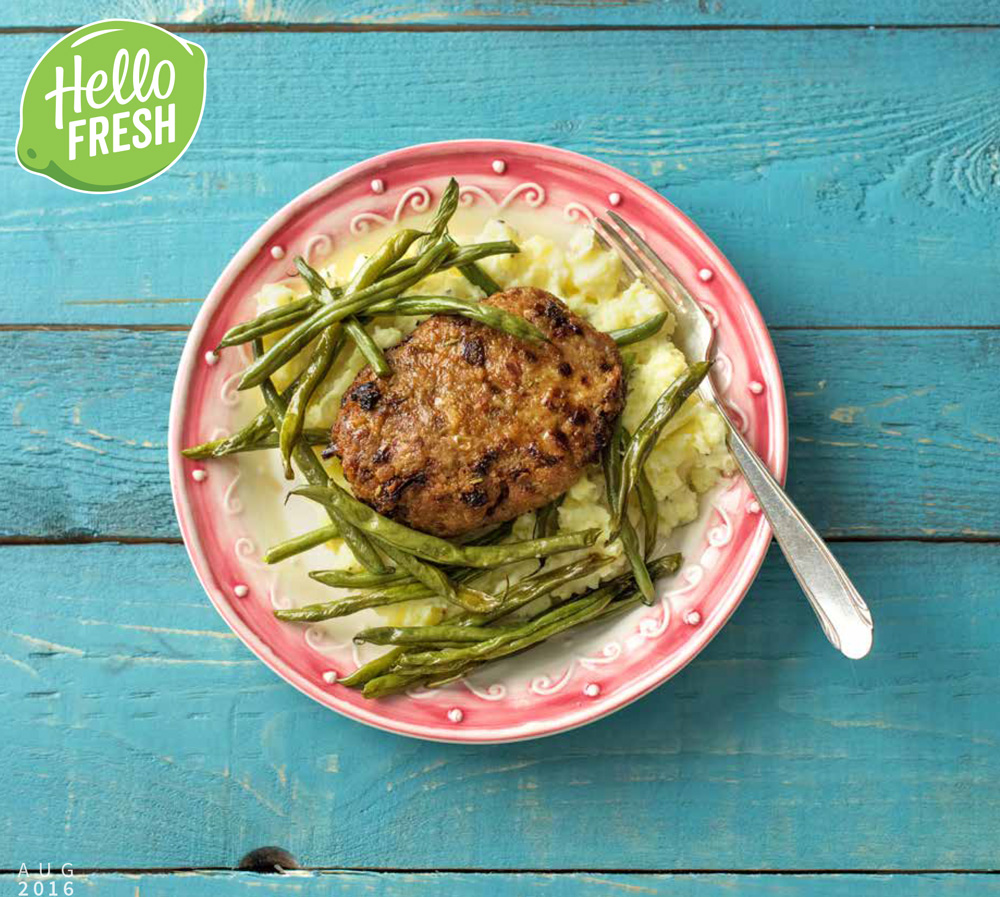
Italian Meatloaf

With Sun-Dried Tomatoes, Roasted Green Beans, and Garlic Rosemary Mashed Potatoes

By Hello Fresh  recipe-pic-1-WEB

We’re not sure what we like best about this recipe: the unique and flavorful ingredients, the quicker cook time of individual patties versus slow cooking, traditional meatloaf, or the silky, melt-in-your-mouth mashed potatoes. We’ll let you make the call.

Cooking Time: 45 min.

Servings: 2

Nutrition: Calories: 690 cal, Fat: 31g, Sat. Fat: 13 g, Protein: 43g, Carbs: 63 g, Sugar: 15 g, Sodium: 751 mg, Fiber: 10 g

Ingredients:

  • Ground Beef- 10 oz.
  • Russet Potatoes- 12 oz.
  • Green Beans- 6 oz.
  • Chicken Stock Concentrate- 1
  • Sun-dried Tomatoes- 1 ½ oz.
  • Shallot- 1
  • Rosemary- ¼ oz.
  • Garlic- 2 cloves
  • White Bread- 1 slice
  • Sour Cream- 2 T
  • Butter- 1 ½ T
  • Oil- 2t

Preparation:

  1. Prep: Wash and dry all produce. Preheat the oven to 400 degrees. Halve, peel, and mince the shallot. Mince or grate the garlic. Strip the rosemary leaves off the stems and finely chop (about 2 teaspoons). Finely chop the sun-dried tomatoes. Trim the ends of the green beans.
  2. Make the meatloaf: In a medium bowl, soak the bread with the stock concentrate and ¼ cup water. Break up the bread with your hands until a paste forms. Add the beef, sun-dried tomatoes, shallot, half the garlic, half the rosemary, and a large pinch of salt (we used ½ teaspoon kosher salt) and pepper to the bowl. Mix with your hands until just combined. Form the beef mixture into 2 oval patties, then place onto a lightly oiled baking sheet. Place in the oven for 20-25 minutes, until cooked through.
  3. Boil the potatoes: Meanwhile, peel and dice the potatoes into ½-inch cubes. Place in a medium pot with a large pinch of salt. Add enough water to cover, then bring to a boil. Reduce to a simmer and cook about 12 minutes, until potatoes are fork-tender.
  4. Roast the green beans: With 15 minutes left to go on the meatloaf, toss the green beans in a medium bowl with a drizzle of olive oil and a pinch of salt and pepper. Spread onto the baking sheet with the meatloaf. Cook about 15 minutes, until tender.
  5. Mash the potatoes: Once tender, drain the potatoes. In the same pot you cooked the potatoes in, heat 1½ Tablespoons butter, the remaining garlic, and the remaining chopped rosemary over medium heat. Cook 30 seconds, until melted and fragrant. Add the potatoes and sour cream to the pot. Mash with a fork or potato masher until very smooth, adding a splash of water (or milk) if necessary. Taste and season with salt and pepper.
  6. Serve: Plate the garlic rosemary mashed potatoes, then top with the roasted green beans and Italian meatloaf. Enjoy!

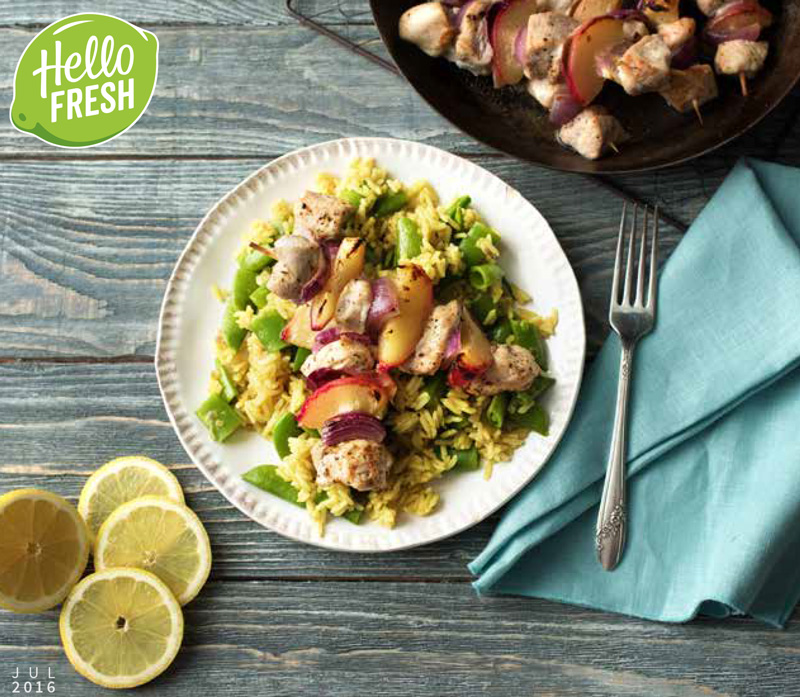
Jerk Chicken And Peach Skewers

with Curried Rice Pilaf

By Hello Fresh  recipe-jerk-chicken-pic-WEB

We’ve taken skewers to a whole new level with this Jamaican-inspired recipe. Our jerk seasoning will knock your socks off with a combination of 12 different herbs and spices. Add in tender chicken, sweet fruit, and curried rice, and you’ve got yourself a sweet and savory meal to remember.

Cooking Time: 30 min

Servings: 2

Nutrition: Calories: 494 cal, Fat: 8g, Sat. Fat: 1 g, Protein: 48g, Carbs: 63 g, Sugar: 13 g, Sodium: 332 mg, Fiber: 7 g

Ingredients:

  • Chicken Breasts- 12 oz.
  • Basmati Rice- ½ cup
  • Snap Peas- 4 oz.
  • Red Onion- 1
  • Peach- 1
  • Jerk Seasoning- 1T (spicy)
  • Curry Powder- ½ t
  • Lemon- 1
  • Chicken Stock Concentrate- 1
  • Skewers- 4
  • Oil- 2t

Preparation:

  1. Prep: Wash and dry all produce. Preheat the broiler to high or oven to 500 degrees. If you want to use the grill, fire it up to high. Soak the skewers in water. Halve, peel, and finely dice half the onion. Cut the other half into 1-inch cubes for the skewers. Trim and cut the snap peas into ½-inch pieces. Halve, pit, and slice the peach into wedges. Cut the chicken into 1-inch pieces.
  2. Make the pilaf: Heat a drizzle of oil in a medium pot over medium heat. Add the diced onion and cook, tossing, for 3-4 minutes, until softened. Add the rice and ½ teaspoon curry powder. Toss to combine. Add 1 cup water and the chicken stock concentrate. Bring to a boil. Cover and reduce to a simmer for about 15 minutes, until rice is tender. During the last 5 minutes of cooking, stir the snap peas into the rice. Season with salt and pepper.
  3. Marinate the chicken: Toss the chicken in a medium bowl with the jerk seasoning, peaches, onion cubes, and a drizzle of oil. Season generously with salt and pepper.
  4. Broil the skewers: Thread the chicken, onion, and peach wedges onto the skewers, alternating between each. Place onto a foil-lined baking sheet. Broil 10-12 minutes, turning once, until cooked through and lightly charred. You can also cook the skewers on the grill.
  5. Finish and serve: Cut the lemon into wedges. Serve the jerk chicken skewers on a bed of curried rice pilaf. Squeeze over a lemon wedge and enjoy!

Ask Clark’s


"ask clarks" header I have been curious about cranberry juice. Is it helpful for the Urinary Tract System? –
a letter from Maria of Ontario

 By Clark’s Nutrition   

Is the use of cranberry juice for treatment of Urinary Tract Infections (UTI’s) common folklore or traditional use? Folklore or traditional use of a substance is often not scientifically substantiated. Challenging folklore with science helps us to better understand the action(s) a substance might have on the body and substantiate the folklore information being touted. Science is often limited to what it can provide and prove. Therefore it is often beneficial in the area of understanding the uses of a substance and expanding the use for that given substance.

Looking at a recent study of women who experience frequent UTI’s, there appears to be a significant reduction in the amounts of these UTI’s while consuming 8oz of cranberry juice daily. This study was a double blind placebo control study and lasted for two years (2013-15) making folklore use current. There have been several other studies with cranberries and UTI’s in previous years with many seeking the folklore prevention factor. Some of these studies have been done with the popular Ocean Spray Cranberry Company, using cranberry juice concentrate (2oz.) and low-calorie cocktail (300ml or 10oz) products providing significant positive results as well.

Another area to consider would be capsule or supplement products. Of these products, CranActin© at 400mg a day was effective in reducing UTI’s as well.

The most common explanation for cranberries effectiveness centers around (PAC-A ~ proanthocyanidin-A) an active antioxidant found in cranberries. Cranberry proanthocyanidins bind to proteins and specific bacteria like e-coli which can be a common culprit for UTI’s. This binding action carries away the bacteria from the body through elimination preventing infection by attachment to the urinary tract.

Finally, the use of cranberries and the reduction of UTI’s for over 100+ years is substantiated by current research. Additional information also suggests that cranberry can be used as an excellent antioxidant for the body. The use of science in this situation has brought about new information about cranberry, making it more valuable than what we had originally thought.  Remember it is always advisable to seek a physician if you have any concerns about infection of other health concerns.

Have a health related question?

Send us your question, your first and last name, and the city you live in to: askclarks@clarksnutrition.com

Due to the number of responses, we will only be able to answer published questions.

  1. Effect of oralcranberry extract (standardized proanthocyanidin-A) in patients with recurrent UTI by pathogenic E. coli: a randomized placebo-contr olled clinical research study.Singh I, Gautam LK, Kaur IR.Int Urol Nephrol. 2016 Jun 17. [Epub ahead of print] PMID:27314247ncbi.nlm.nih.gov/pubmed/27314247
  2. Consumption of acranberry juice beverage lowered the number of clinical urinary tract infectionepisodes in women with a recent history of urinary tract infection.Maki KC, Kaspar KL, Khoo C, Derrig LH, Schild AL, Gupta K.Am J Clin Nutr. 2016 Jun;103(6):1434-42. doi: 10.3945/ajcn.116.130542. ncbi.nlm.nih.gov/pubmed/27251185 summary and link below:
  3. 2014 Apr 14;15(4):1375-81. doi: 10.1021/bm401909c. Epu 2014 Mar 25.Evaluating the binding of selected biomolecules to cranberry derived proanthocyanidins using the quartz crystal microbalance.Weckman NE1, Olsson AL, Tufenkji N.

Barrett, PhD, The Handbook of Clinical Tested Herbal Remedies vol. 1 The Hawthorn Press.

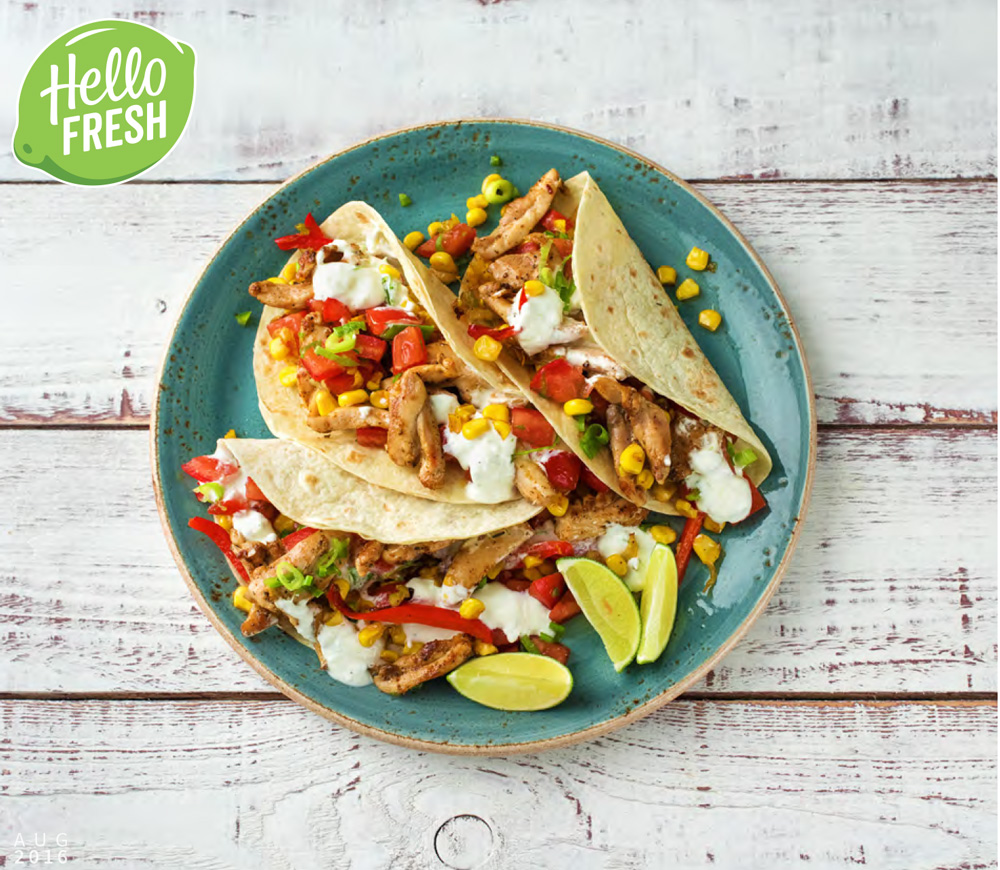
Smoky Chicken Tacos

With Charred Corn, Sautéed Veggies, and Salsa Fresca

By Hello Fresh   

Photo courtesy: Hello Fresh

Photo courtesy: Hello Fresh

Celebrate taco Tuesday any day of the week with these crowd-pleasers. There’s a bit of heat thanks to our unique southwest spice blend, a kick of tang from the lime crema, and a pop of color with the addition of sweet corn and succulent tomatoes. It’s an unbeatable combination.

Cooking Time: 30 min.

Servings: 2

Nutrition: Calories: 647 cal, Fat: 22g, Sat. Fat: 7 g, Protein: 45g, Carbs: 65 g, Sugar: 11 g, Sodium: 618 mg, Fiber: 5 g

Ingredients:

  • Chicken Thighs- 12 oz.
  • Flour Tortillas- 6
  • Red Bell Pepper- 1
  • Red Onion- 1
  • Roma Tomato- 1
  • Lime- 1
  • Jalapeno Pepper- 1
  • Corn on the Cob- 1 Ear
  • Sour Cream- 2T
  • Southwest Spice Blend- 1t
  • Olive Oil- 2t

Preparation:

  1. Prep: Wash and dry all produce. Preheat the oven to 400 degrees. Shuck the corn then cut the kernels off the cob. Core, seed, and thinly slice the red bell pepper. Core, seed, and dice the tomato. Halve, peel, and thinly slice the onion. Mince the jalapeño, removing the ribs and seeds if you prefer less heat. Zest and halve the lime, then cut one half into wedges. Thinly slice the chicken into strips.
  2. Make the lime crema: Combine the sour cream, lime zest, and a squeeze of lime in a small bowl. Season with salt and pepper. Thin to a drizzling consistency with 1 teaspoon or so of water.
  3. Cook the veggies: Heat a drizzle of olive oil in a large pan over medium-high heat. Add the onion and bell pepper. Cook, tossing, for 5-6 minutes, until slightly caramelized. Add the corn. Cook another 3-4 minutes, until slightly charred. Season with salt and pepper. Remove from pan and set aside.
  4. Make the salsa fresca: Meanwhile, combine the tomato, a squeeze of lime, and as much jalapeño as you like (use with caution, start with 1 Tablespoon, you can always add more) in a small bowl. Season with salt and pepper.
  5. Cook the chicken: Heat another drizzle of olive oil in the same pan over medium-high heat. Add the chicken strips to the pan. Cook 3-4 minutes per side, until browned and cooked through. Sprinkle with the Southwest seasoning and toss to combine. Season with salt and pepper.
  6. Warm the tortillas and serve: Meanwhile, wrap the tortillas in foil, then place in the oven to warm about 5 minutes. Fill each tortilla with some chicken, veggies, salsa fresca, and lime crema. Serve the smoky chicken tacos with lime wedges for squeezing over and enjoy!

Ask Clark’s

“What can I do to age well?” – a letter from Jim of Corona

By Clark’s Nutrition   "ask clarks" header

It is best said by Reebok “a body in motion stays in motion”.   Activation of muscle is the most important feature for keeping healthy and abundant muscle tissue on the body. Why is muscle tissue so important? Muscle tissue has some interesting features including providing protein reservoir (amino acids) for synthesis of vital tissue including organs like your liver, heart and kidneys. Furthermore, altered muscle metabolism plays a key role in the genesis and prevention of many common chronic diseases. Disease prevention includes but is not limited to; a reduction in mortality, heart disease-stroke, high blood pressure, diabetes II, bone density loss (osteoporosis), some cancers (breast, colon) and dementia (Alzheimer’s).

As we age, our bodies experience a progressive loss of skeletal muscle and a decrease in physical function, with an inherent risk of disability and a poor quality of life. The age related loss of muscle mass and strength is called sarcopenia. Regular physical activity is one of the main non-pharmaceutical interventions for older people that are needed to help maintain muscle mass, strength, metabolic function and disease prevention. We must also remember that dietary considerations are a must to feed the muscles and for prevention of sarcopenia. Recently, dietary considerations have become a focus for researchers that are studying the preservation of muscle mass loss. A recent study, with 130 individuals with the average age of 80.3, was subjected to dietary supplementations with age appropriate training. Dietary interventions included additional protein (whey) 22 grams, 10 grams of essential amino acids (including 4 grams of Leucine), and 100 i.u. vitamin D. The end result showed 68% of individuals using dietary supplements become non-sarcopenic, while 100% of the placebo group had no reversal of sarcopenia and remained sarcopenic throughout the entire training program. Test results suggested adequate protein (supplied by the diet: having 100% of the RDA for protein) is not sufficient. While it is noted that additional studies have shown whey protein to be beneficial in growth and maintenance of muscle, some studies were inconclusive about whey and sarcopenia. These additional studies combined the use of whey, essential amino acids and vitamin D to augment whey on its own, proving additional amino acids with Leucine is sufficient to elicit growth. The addition of vitamin D stimulates gene expression (cellular growth) as well. Also increases in GH (growth hormone) and IGF-1 (insulin growth factor one) were seen in the supplementation with reduction in C – reactive protein and inflammation from the addition of vitamin D, which additionally provided growth potential.

The use of supplementation and working out has been a staple in the area of athletic performance, now it is time for the elderly to benefit.

Have a health related question?

Send us your question, your first and last name, and the city you live in to: askclarks@clarksnutrition.com

Due to the number of responses, we will only be able to answer published questions.

References:

  1. Health benefits of physical activity in older patients: a review T Vogel, PH Brechat, PM Leprêtre… – … journal of clinical …, 2009
  2. The underappreciated role of muscle in health and disease1,2,3 Robert R Wolfe  2006 American Society for Clinical Nutrition  http://ajcn.nutrition.org/content/84/3/475.short
  3. Mariangela Rondanelli,  Catherine Klersy, Gilles Terracol, Jacopo Talluri,Roberto Maugeri, Davide Guido, Milena A Faliva, Bruno S Solerte,Marisa Fioravanti, Henry Lukaski, and Simone Perna Whey protein, amino acids, and vitamin D supplementation with physical activity increases fat-free mass and strength, functionality, and quality of life and decreases inflammation in sarcopenic elderly Am J Clin Nutr 2016 103: 830-840;First published online February 10, 2016.doi:10.3945/ajcn.115.113357http://ajcn.nutrition.org/content/103/3/830.abstract
  4. http://www.echeckuptogo.com/images/alcohol_gpa_graph.gif
  5. [Health benefits and demerits of calcium nutrition or supplementation in older people].Shiraki M.Nihon Rinsho. 2015 Oct;73(10):1770-6. Japanes http://www.ncbi.nlm.nih.gov/pubmed/26536675
  6. [Effects of calcium and vitamin D supplementations on cardiovascular disease: review article].Guessous I, Bochud M.Rev Med Suisse. 2012 Jul 11;8(348):1458-63. Review. French.PMID:22934474http://www.ncbi.nlm.nih.gov/pubmed/22934474
  7. Higdon, Ph.D., An Evidence-Based Approach to Vitamins and Minerals Thieme New York, NY. Pg 97-107.


Hoisin-Glazed Meatballs

with Roasted Sweet Potato and Broccolini

By Hello Fresh   

Photo courtesy: Hello Fresh

Photo courtesy: Hello Fresh

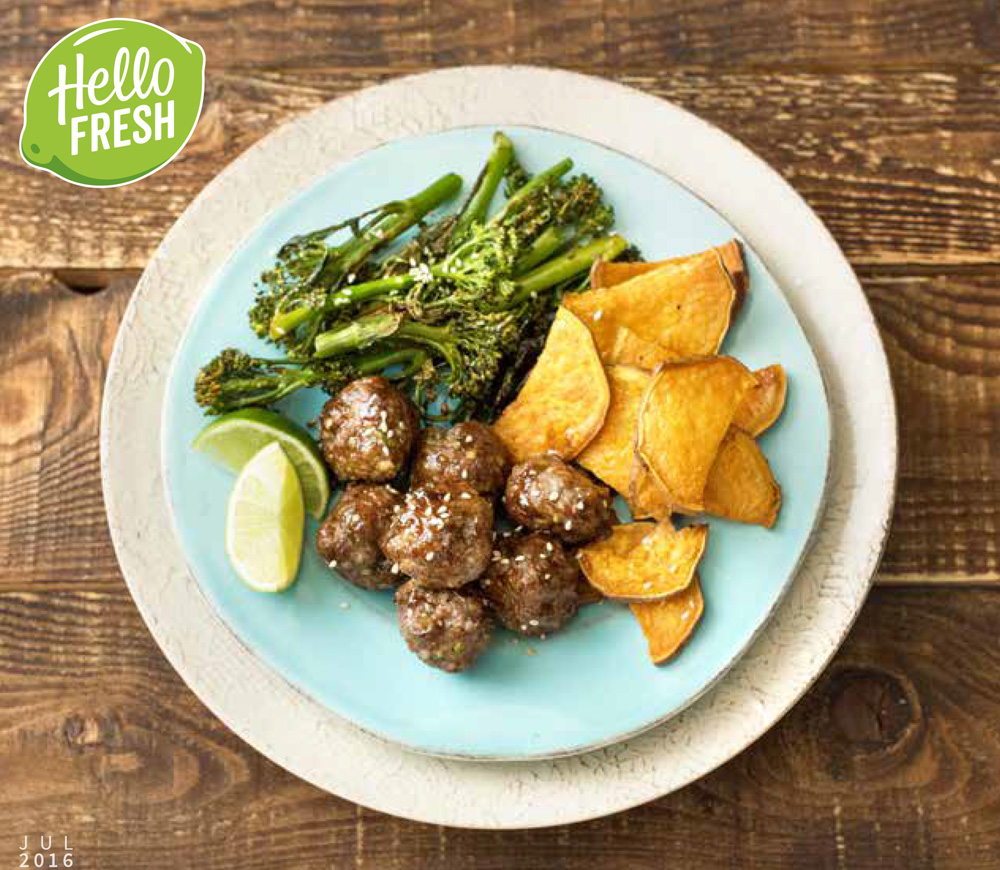
We’re big fans of baking, rather than frying, our meatballs for a healthier alternative to this dinnertime staple. But don’t worry, the dish is still jam-packed with flavor thanks to a sweet hoisin glaze, roasted sweet potatoes, and crispy veggies. One bite and you’ll be hooked.

Cooking Time: 30 min.

Servings: 2

Nutrition: Calories: 580 cal, Fat: 22g, Sat. Fat: 7 g, Protein: 35g, Carbs: 64 g, Sugar: 19 g, Sodium: 451 mg, Fiber: 10 g

Ingredients:

  • Ground Beef- 10 oz.
  • Sweet Potatoes- 1
  • Broccolini- 6 oz.
  • Panko Breadcrumbs- ¼ cup
  • Ginger- 1 Thumb
  • Scallions- 2
  • Hoisin Sauce- 2T
  • Lime- 1
  • Sugar- 1t
  • Oil- 1T

Preparation:

  1. Prep: Wash and dry all produce. Preheat the oven to 450 degrees. Halve the sweet potato lengthwise, then thinly slice into ¼-inch half moons. Peel and mince the ginger. Thinly slice the scallions, then chop until finely minced.
  2. Roast the sweet potatoes: Toss the sweet potatoes on a baking sheet with a drizzle of oil and a pinch of salt and pepper. Place in the oven for about 20 minutes, flipping once, until golden brown.
  3. Make the meatballs: In a medium bowl, combine the ginger, scallions, beef, panko, and 1 teaspoon sugar. Season with salt (we used ¾ teaspoon kosher salt) and pepper. Form into 1-inch meatballs, and place onto one side of a lightly oiled baking sheet.
  4. Roast the broccolini: Place the broccolini on the opposite side of the baking sheet with the meatballs. Toss with a drizzle of oil and a pinch of salt and pepper. Place in the oven for 15 minutes, until tender and slightly crispy.
  5. Glaze the meatballs: After 15 minutes, glaze each meatball with a little hoisin sauce. Remove the broccolini from the baking sheet, then return to the oven for about 5 minutes.
  6. Finish and serve: Cut the lime into wedges. Serve the meatballs with the broccolini and sweet potatoes on the side. Squeeze over a lime wedge and enjoy!

Ask Clark’s

"ask clarks" headerBy Clark’s Nutrition and Natural Foods Market

A Letter from Janice from Palm Desert

Q:I want to use essential fatty acids, but where do I start?”

A: First, I think it is important to understand what essential fatty acids are.

Essential fatty acids are fatty acids that cannot be made by the body and must be obtained from the diet. Essential fats are used by the body to make other substances that control or regulate growth, maintenance and proper function of many physiological processes. Some of the processes essential fatty acids (or EFA’s) help include modulating inflammation, fever, regulating immune responses, and overall cardiovascular health. These manufactured substances are called eicosanoids. These substances are better known as prostaglandins, leukotineines, cytokines and others that regulate inflammatory or anti-inflammatory actions in the body. Eicosanoids are local-acting hormones.  The body makes eicosanoids from fats which include essential fatty acids. The essential fatty acids are called linolenic acid and linoleic acid. Linolenic acids are omega 3 fatty acids while linoleic fatty acids are called omega 6 fatty acids. These are polyunsaturated fats (meaning they are not fully saturated with hydrogen’s, which is one of the chemicals that make up fats). Omega 3 fatty acids and some omega 6 fats seem to have the most prolific effect on reducing the manufacturing of inflammatory substances. Omega 3 fatty acids are also involved in cardiovascular benefits such as reduction in blood triglycerides and blood pressure thus, making omega 3 fats often sought out. The American diet is typically abundant in omega 6 fatty acids, about 10 grams of fats a day, while the diet is typically low and often devoid of omega 3 fatty acids.

Omega 3 and 6 fatty acid food sources have become popular ‘super’ foods today. Omega 6 oils are found in nuts, soy, corn, sunflower, walnuts, peanuts, canola and safflower. Most salad dressings are rich in these omega 6 oils. Foods that are abundant in omega 3 fats include (in ascending order), olive oil, walnut oil, pumpkin, soy oil, canola oil, hemp and flaxseed oil (the highest). Certain fish are abundant in omega 3 fats and are converted into a more active form called EPA and DHA. The American Heart Association recommends two servings of fish a week including salmon, cod and mackerel bringing in the higher amounts of omega 3’s. The intake for omega 3 fats is considered to be adequate at about 2 grams a day for men and 1 gram a day for women. Many authorities suggest approximately 5 grams a day of omega 3 for health benefits. The use of foods is the primary recommendation while supplementation is helpful to achieve our needs. Supplementation should include rich sources of omega 3 fatty acids, GLA a specific omega 6 fats from borage, evening primrose oil or black current oil would be beneficial as well. A combination of fish and flax are good supplements in my opinion.

Have a health related question?

Send us your question along with your first and last name, and city you live in to: askclarks@clarksnutrition.com

Due to the number of responses, we will only be able to answer published questions.

References:

  1. Whitney, Understanding Normal and Clinical Nutrition, Wadsworth 20 Davis Dr. Belmont, CA 2014. pg 150-9
  2. Sardesai, Introduction to Clinical Nutrition , Marcel Dekker Inc. New York, NY. 1998. PG 46-59.
  3. Jones, Textbook of Functional Medicine, Institute for Functional Medicine, Gig Harbor, WA. 2010. Pg. 477-52.


Mexican Bean Wraps

With Bell Peppers, Tomatoes & Chili BeanWrap-WEB

Beans are magical little things and massively underrated. I’m showing them some love by pairing them with exciting Mexican flavors. Baked in a tortilla with vegetables and cheese until golden on the outside, but oozy on the inside, it’s a real texture extravaganza.

Courtesy of Hello Fresh


Cooking time: 40 min.

Servings: 2

Ingredients:

  • ½ an onion
  • ½ a green or red bell pepper
  • 1 ounce Cheddar cheese
  • 1 Tablespoon + 2 teaspoons olive oil
  • ½ a clove of garlic
  • ¼ teaspoon chili powder
  • ½ teaspoon tomato paste
  • ½ can of whole peeled tomatoes
  • ½ can of red kidney beans
  • 2 large flour tortillas
  • 2 ounces of mixed salad leaves
  • Balsamic vinegar

Preparation:

  1. Preheat the oven to 400°F. Peel and thinly slice ½ the onion, then slice up ½ the green or red bell pepper, removing seeds and white ribs.
  2. Heat 1 teaspoon of oil in a frying pan over a medium-low heat and gently sauté the onion for 10 minutes, or until softened.
  3. Crush ½ a clove of garlic then add to the pan along with ¼ teaspoon of chili powder.
  4. Add ½ teaspoon of tomato paste and ½ the tomatoes, breaking them up with a spoon as you go, then drain and add ½ the kidney beans.
  5. Cook for 10 minutes, or until slightly reduced, then season to taste with sea salt and black pepper
  6. In a separate frying pan, sauté the bell pepper in 1 teaspoon of oil until starting to soften, then set aside.
  7. Divide the filling mixture in half, then blend one half with a stick blender to form a bean paste – if you don’t have a stick blender, mash with a fork.
  8. Spread the tortillas with the warm bean paste, then add the filling and sprinkle with cheese. Roll up the tortillas and place on a lightly oiled baking sheet.
  9. Bake for 5 to 10 minutes, or until golden and warmed through.
  10. Dress the salad leaves with 1 tablespoon of oil and vinegar, then serve alongside your bean wraps.


Jamie’s Salsa Spaghetti

With Black Olives & Fresh Basil

By Hello Fresh with Jamie Oliver  

Photo courtesy: Hello Fresh

Photo courtesy: Hello Fresh

There are some beautiful Mediterranean vibes going on in this dish – juicy ripe tomatoes, fresh fragrant basil and delicious olives, all tossed and tangled up in al dente spaghetti. The flavor combo here is mega-simple, but when you put them together, something magical happens. Let the tomatoes ripen naturally out of the refrigerator – the warmth will ensure all those lovely flavors and juices are at their best and ready to flow. Tomatoes are source of vitamin C, a nutrient our bodies need for so many different things, including immune function and keeping our energy levels up.

Cooking time: 15 min.

Servings:  2

Nutrition: Calories: 466 cal, Fat: 15g, Sat Fat: 3g, Protein: 16g, Carbs: 70g, Sugar: 7g, Salt: 164 mg, Fiber: 4g

Ingredients:

  • 6 ounces dried spaghetti
  • 10 ounces ripe tomatoes
  • 6 black olives
  • ¼ of a bunch of fresh basil
  • ½ a clove of garlic
  • 4 teaspoons extra virgin olive oil
  • 1 tablespoon red wine vinegar
  • ½ ounce Parmesan cheese

Preparation:

  1. Cook the spaghetti in a pot of boiling salted water until al dente, which means that it should be soft enough to eat, but still have a bit of bite and firmness to it.
  2. On a large cutting board, chop the tomatoes. Add the olives to the pile of tomatoes.
  3. Pick the basil leaves, reserving the smaller ones for later and throw the rest onto the pile.
  4. Chop and add ½ a clove of garlic to the pile, then run your knife back and forth through all of the ingredients, chopping and mixing as you go, until you get a rough-looking salsa.
  5. Add 4 teaspoons of extra virgin olive oil, 1 tablespoon of red wine vinegar and a pinch of sea salt and black pepper, and keep chopping and mixing until well combined.
  6. Scoop out and reserve a cupful of the pasta cooking water, then drain the spaghetti in a colander.
  7. Put the spaghetti in a large bowl, scrape in the salsa dressing, adding a splash of the reserved cooking water, if needed, to make a lovely loose sauce.
  8. Sprinkle over the reserved baby basil leaves and add half of the Parmesan before serving.

Ask Clark’s

Q: “What are Enzymes and why do I need them?” – from Victor of Eastvale


A: Simply put, enzymes help the body digest our foods so that we get all of the necessary nutrients for good health. A great example of this can be seen when rice carbohydrates, also known as complex carbohydrates are broken down into simple sugars to be absorbed into the body. Without the digestive enzyme amylase, the rice carbohydrates would pass through the body undigested and would not able to get into the blood and cells. As this example of a digestive enzymes shows, there are also cellular enzymes that control actions inside of cells.

Most people when asking about enzymes are referring to digestive enzymes which are also made in various areas of the body. Digestive enzymes are needed to digest foods into smaller particles so the body can absorb nutrients. Simply put, without enzymes, foods would not fully digest.

Another example to remember, a raisin is 1000 times to big to be assimilated into the body. Amylase is another type of enzyme that breaks down starches into sugar and is found in small amounts in our saliva and primarily the pancreas.

Protein digestion is accomplished with Hydrochloric acid and pepsin (HCL/Pepsin) in the stomach and protease from the pancreas. Fat digestion first starts with bile emulsification from the liver-gallbladder and lipase enzyme from the pancreas. Smaller fragments of sugars like lactose are broken down in the digestive system by enzymes made in the intestinal walls. Your body’s digestive system changes with age. From the age of 18, the body produces about 1 quart of HCL/ Pepsin fluids and 1 pint of pancreatic enzymes (amylase, protease and lipase) per day. This is enough to handle the needs for an additional calorie onset at an earlier age. As we age though, the digestive system of many individuals changes including the production of digestive fluids and enzymes to about one half.

Other circumstances can challenge our digestive system as well. Stress, food choices like junk foods, over eating and other factors might cause the body to have bloating, indigestion and other digestive complications. The use of digestive enzymes does an efficient job helping improve digestion in many circumstances. Although considered to be a newer category, digestive enzymes have been on the market for over 100 years.

Other traditional digestive aids including bitter herbs, which have been used by many different cultures including Chinese, Indian and Europeans and most other indigenous cultures. Among the most popular bitters are the ‘Swedish Bitters’. Bragg’s apple cider vinegar has been used for over 80 years for digestion as well. Supplemental forms of enzymes can come from animal or vegetable sources, including concentrated food sources of enzymes as well such as bromelain (pineapple) or papain (papaya) and ginger. The choice to use a food enzyme or digestive enzyme should not be substituted for good dietary habits.

One of the biggest uses for digestive enzymes is bloating, gas, and upset stomach which often times come from bad food choices and over eating. Making wise food choices and using enzymes or bitters when needed is the best advice. Always check with a doctor if you are having serious complications with your digestive system.

Have a health related question?

Send us your question, your first and last name, and the city you live in to: askclarks@clarksnutrition.com

Due to the number of responses, we will only be able to answer published questions.


References:

Ann Nutr Metab 2010;56:74–79
(DOI:10.1159/000272133)

 
  1. Micheal Murray N.D., The Encyclopedia of Natural Medicine 3rd ed., Atra New York, NY. 2012 Pg 131-45
  1. Zoltan Rona, MD, MSc, Encyclopedia of Natural Healing, Natural Life Publishing Inc., Blaine, WA. 1997 pg. 801-5
  2. Acta Med Austriaca. 1979;6(1):13-8.[Intestinal resorption with 3H labeled enzyme mixture (wobenzyme)].[Article in German]Steffen CMenzel JSmolen J.http://www.ncbi.nlm.nih.gov/pubmed/?term=digestive+enzymes+wobenzyme
  3. Where do the immunostimulatory effects of oral proteolytic enzymes (‘systemic enzyme therapy’) come from? Microbial proteolysis as a possible starting point. Biziulevicius GA.Med Hypotheses. 2006;67(6):1386-8. Epub 2006 Jul 25.PMID:1687035 http://www.ncbi.nlm.nih.gov/pubmed/16870353
  4. Examination of the Antiglycemic Properties of Vinegar in Healthy AdultsJohnston C.S. · Steplewska I. · Long C.A. · Harris L.N. · Ryals R.H. Nutrition Program, College of Nursing and Health Innovation, Arizona State University, Mesa, Ariz., USA http://www.karger.com/Article/Abstract/272133



Pan-Seared Salmon

Photo courtesy: Hello Fresh

Photo courtesy: Hello Fresh

with Arugula-Mint Pesto, Quinoa Salad, and Char-Broiled Snap Peas

By Hello Fresh

Cooking Time: 30 min.

Servings: 2

Nutrition: Calories: 750 cal, Fat: 43g, Sat. Fat: 3 g, Protein: 50g, Carbs: 42 g, Sugar: 3 g, Sodium: 200 mg, Fiber: 7 g

Ingredients:

  • Salmon- 12oz.
  • Arugula- 2 oz.
  • Mint- ¼ oz.
  • White Quinoa- ½ cup
  • Whole-Grain Mustard- 2t
  • Sliced Almonds- 1oz.
  • Garlic- 1 clove
  • Snap Peas- 4 oz.
  • Olive Oil- 5t

Preparation:

  1. Cook the quinoa: Preheat the broiler to high or the oven to 500 degrees. In a small pot, bring 1 cup water to a boil with a large pinch of salt. Once boiling, add the quinoa, cover, and reduce to a simmer for 15-20 minutes, until tender. Fluff with a fork and place in a large bowl to cool.
  2. Prep remaining ingredients: Wash and dry all produce. Meanwhile, finely chop the mint leaves and half the arugula. Mince or grate 1 clove garlic. Trim the snap peas, if necessary.
  3. Make the arugula-mint pesto: In a small bowl, combine the mint, chopped arugula, and a large drizzle of olive oil. Stir in a pinch of garlic and season to taste with salt and pepper.
  4. Cook the salmon: Heat a drizzle of olive oil in a large pan over medium-high heat. Season the salmon on all sides with salt and pepper. Add the salmon to the pan and cook for 3-5 minutes per side, until just opaque throughout. Remove and discard the skin, if desired.
  5. Broil the snap peas: While the salmon cooks, toss the snap peas on a baking sheet with a drizzle of olive oil and a pinch of salt and pepper. Place the snap peas under the broiler for 4-5 minutes, until slightly charred.
  6. Make the quinoa salad: Toss the cooled quinoa with the remaining arugula, almonds, 2 teaspoons mustard (or less, to taste), and a drizzle of olive oil. Season with salt and pepper.
  7. Finish: Toss the snap peas with half the pesto. Plate the salmon alongside the snap peas and quinoa salad. Drizzle the remaining pesto over the salmon and enjoy!

Summertime Pork Schnitzel

with Yellow Squash, Tomatoes, and Yukon Golds

By Hello Fresh  

Photo Courtesy: Hello Fresh

Photo Courtesy: Hello Fresh

Cooking Time: 30 min

Servings: 2

Nutrition: Calories: 630 cal, Fat: 26g, Sat. Fat: 7 g, Protein: 45g, Carbs: 55 g, Sugar: 9 g, Sodium: 271 mg, Fiber: 9 g

Ingredients:

  • Pork Chops- 12 oz.
  • Panko Breadcrumbs- ½ Cup
  • Sour Cream- 2 T
  • Yukon Potatoes- 12 oz.
  • Lemon- 1
  • Yellow Squash- 1
  • Parsley- ¼ oz.
  • Grape Tomatoes- 4 oz.
  • Dijon Mustard- 2t
  • Balsamic Vinegar- 1T
  • Oil- 5t

Preparation:

  1. Cook the potatoes: Wash and dry all produce. Preheat the oven to 400 degrees. Cut the potatoes into bite-sized pieces. Place the potatoes in a large pot with a pinch of salt and enough water so they’re covered by 2 inches. Bring to a boil and cook 10-15 minutes, until fork-tender. Drain.
  2. Make the dressing: In a small bowl, whisk together 2 teaspoons Dijon mustard, 1 Tablespoon balsamic vinegar, and a large drizzle of oil (to taste). Season with salt and pepper.
  3. Prep the remaining ingredients: Zest and halve the lemon. Cut one half into wedges. Halve the tomatoes. Finely chop the parsley. Halve the squash lengthwise, then slice into half moons. Place the pork chops under a layer of plastic wrap and pound with a mallet or heavybottomed pan until about 1/2-inch thick.
  4. Bread the pork: Place the pork chops on a lightly oiled baking sheet. In a small bowl, combine the panko, parsley, a drizzle of oil, and a pinch of salt and pepper. Spread the sour cream evenly over each pork chop. Spread the pork chops with the breadcrumb mixture and press to adhere. Place in the oven for 8 minutes. Then heat broiler to high (or oven to 500 degrees) and broil 2 minutes, until golden brown.
  5. Cook the veggies: Meanwhile, heat a drizzle of oil in a large pan over medium-high heat. Add the squash and cook, tossing, for 5-6 minutes, until soft and golden brown. Add the tomatoes and toss another 1-2 minutes, until softened. Add the potatoes and dressing to the pan and toss to combine. Season generously with salt and pepper.
  6. Plate: Serve the herb-crusted pork alongside the potatoes and veggies. Serve with a lemon wedge and a sprinkle of lemon zest!

Did You Know?

Fun Activities To Foster Children’s Love Of The Outdoors

Courtesy of StatePointCourtesy of StatePoint

Many families spend summer vacation taking advantage of the great outdoors — from picnics to hikes to time at the pool.

Parents are often looking for ways to turn these typical warm weather activities into creative adventures and engaging learning experiences.

Jessica Turner, author of “The Fringe Hours,” and mother of three, is an expert at incorporating the sun, sand and surf into crafting activities. She’s sharing some of her best summer tips to encourage creative play, while keeping kids healthy, happy and safe.

Crafty Ideas

  • Take a hike: There over 6,000 state parks nationwide. Take advantage of one near home. While traversing the terrain, gather leaves, sticks and fallen flowers. Print out an 8×10 inch picture of your child and glue the nature finds around the edges.
  • Picnic imprints: Let little ones run around in search of rocks and sticks. Place the items on top of a piece of construction paper and leave somewhere sunny. Check back in an hour and remove the objects. Kids will be amazed to see the objects’ outlines imprinted on the paper.
  • Seashells by the seashore: Bring along pails and stroll the shore in search of seashells of varying sizes. Once home, break out the glue, paint and googly eyes to create whimsical jewelry, funny fish and even wind chimes.
  • Backyard adventure: All it takes to turn a backyard into a deserted island is a little paint. Grab some rocks, paint them gold and hide them around the yard. Create a treasure map and get into the theme by dressing the kids up in pirate gear. Then head outside to hunt for gold.

Be Prepared

  • Sun protection: Young children can be especially sensitive to sun. Seek shade when possible and wear hats and sunglasses.

Protect babies’ skin from harmful UV rays with a pediatrician-tested sunscreen created with the fewest ingredients possible. For example, Tom’s of Maine Baby Sunscreen is comprised of only five ingredients, including zinc oxide. It provides SPF 30 protection and is water-resistant up to 80 minutes.

  • Basic first aid: Outdoor fun can lead to scrapes and boo boos. Don’t leave home without basic first aid items. Your kit should include bandages, antiseptic wipes, tweezers for splinters and anti-itch relief, in the event of bug bites.
  • Baby care: Babies are prone to a number of skin irritations, particularly in warmer weather. Prevent diaper rash with a gentle hypoallergenic cream, such as Tom’s of Maine Baby Diaper Cream. More information can be found at TomsofMaine.com.
  • Healthy hydration: No matter how much fun the kids are having, never forget the importance of hydration, particularly when they are active. For maximum benefit, stick to water, healthy drinks and fresh fruit. On a similar note, keep kids fueled for outdoor exploration with plenty of nutrition-packed snacks!

This season, foster a love of the great outdoors. To maximize your fun in the sun, be prepared with all the essentials for creative, safe adventures.

Speedy Italian Meatballs With Smoked Tomato Linguine

By Hello Fresh  

Photo Courtesy Hello Fresh

Photo Courtesy Hello Fresh

There’s a reason why spaghetti and meatballs is typically a Sunday night dinner—it takes hours to make! This version uses Italian sausage as a meatball shortcut, eliminating extra prep while adding delicious flavor. Smoky paprika gives this marinara a unique kick.

Cooking Time: 30 min

Nutrition: Calories: 839 cal, cal | Fat: 36g, Sat. Fat: 12 g, Sugar: 17 g

Ingredients:

  • Italian sausage- 9 oz.
  • Linguine- 6 oz.
  • Onion- 1
  • Carrot- 1
  • Smoked Paprika- 1t
  • Dried Thyme- 1t
  • Parmesan Cheese- ¼ cup
  • Diced Tomatoes- 1 box
  • Sugar- ½ t
  • Oil- 2t

Preparation:

  1. Prep the ingredients: Wash and dry all produce. Bring a large pot of salted water to a boil. Halve, peel, and finely dice the onion. Peel, then finely dice the carrot.
  2. Start the marinara: Heat a drizzle of oil in a large pan over medium heat. Add the carrot and onion and cook, tossing, for about 5 minutes, until softened. Season with salt and pepper.
  3. Form the meatballs and boil the pasta: Meanwhile, remove the sausage from the casings; discarding the casings. Wet your fingers, then form the sausage into Tablespoon-sized meatballs. Add the linguine to the boiling water and cook for 9-11 minutes, until al dente, drain.
  4. Finish the marinara: Add the tomatoes and 1 cup water to the pan with the veggies and bring to a boil. Add ½ teaspoon sugar and half the smoked paprika (or more if you prefer a smokier flavor) to the pan. Season generously with salt and pepper. Reduce to a low simmer.
  5. Cook the meatballs: Heat a drizzle of oil in another large pan over medium-high heat. Add the sausage meatballs to the pan and cook for 6-8 minutes, rotating to brown on all sides. When finished, add them to the marinara.
  6. Toss and serve: Add the linguine, thyme, and half the parmesan cheese to the marinara. Toss for 1-2 minutes, until thoroughly combined and heated through. Serve the speedy Italian meatballs with smoked tomato linguine, garnished with the remaining parmesan cheese and enjoy!