Category Archives: Weekly News Columns

Home Of The Brave

By Sarah Sanchez

My family and I went to a baseball game together a few years ago. A talented singer sang the Star Spangled Banner beautifully, as usual. I’ve heard this song countless times before. I’ve done the Pledge of Allegiance every day since I started school. These songs were routine, just another part of the agenda when we attend a public event.

However, this baseball game was suddenly different because I happened to look over at my mom during the Star Spangled Banner song. There she was singing along to the song, smiling, and with tears in her eyes. I asked her why she was crying and she said she always cries during that song because she remembers the day she officially became a citizen of this great country.

My mom was born in Mexico and she came to this country with her family when she was a little girl. She said she’s grateful to live in this country because her family looked for a better life here in America, and that’s what they received. She said she will always remember the day she became a citizen: waving the little flag and hearing the National Anthem play. She said that every time she years that song, she’s reminded of that exact day.

I was truly touched by that moment at the baseball game because it’s such a routine to hear that song for us natural born citizens. Some of us will sing along because we’ve heard the song so much, some will cheer after the singer hits that amazing high note, and some of us will just clap in approval because the song was performed well.

But what we don’t realize is that this song means more than just something to be played at a sporting event. This song is our national anthem; it represents our country; it represents the freedom we have that many around the world don’t; and it represents the many brave soldiers that have risked and lost their lives for that freedom.

We live in a great country, despite the flaws we may have. We live in a fortunate country with a lot of opportunity, despite that fact that most of us inherited that fortune by just being born here. So every time we hear that Star Spangled Banner song, it should be more than just a routine. We should sing that song with pride, listening to and meaning every single word…It should remind us of how fortunate we are to live in the land of the free and the home of the brave.


Live Better Health tip

Clarks Header-CMYKPut Up A Resistance (Training) For Bone Health

By C Doussett M.P.H., R.D.N. of Clark’s Nutrition and Natural Foods Market

The oft-forgotten skeleton is one of our most powerful allies in the quest for health and a long life. Our skeletons not only keep us upright, but they protect vital organs, link body systems to each other and produce our oxygen carrying red blood cells and the majority of our immune cells. They also do wonderful things like nourish us when our diets are lacking and provide the basis for the pH balance in our blood. Taking care of our skeleton requires an adequate mineral and protein supply, as well as important fat soluble vitamins, specifically vitamins D and K. In addition, our skeletons require that we remain physically active and challenge ourselves in a way that sends vital neuro and hormonal signals to maintain bone integrity. Even a modest amount of exercise will have some benefit, yet the majority of individuals with sound bone health adhere to a well thought out and consistent exercise program. This means not only engaging in “cardio” (running, swimming, and biking) but resistance exercise, colloquially known as “hitting the weights”.

Weight training allows bones to experience what is known as the minimal essential strain (MES). The MES is a specific force that induces positive changes in skeletal health and is generally calculated at one/tenth the strain it would take to fracture a bone. In other words, weight training places a healthy strain on our bones that signals those same bones to strengthen themselves. The effects of resistance training on bone health can be felt after only a few sessions and regular training can ensure bones are healthy for years to come.

Knowing this, we must ask, who is at risk for impaired bone integrity?

  • Individuals with small skeletal structures, this unfortunately means a majority of women, including smokers and alcoholics
  • Soda drinkers- due to the high phosphorous content and caffeine, also known to block calcium absorption, or simply because soda is replacing milk and fortified orange juice as the beverage of choice
  • Everyone after a certain age as hormones decline.

What problems does impaired bone health (a.k.a. osteopenia and in advanced cases, osteoporosis) present?

  • Increased risk of fractures and breaks, especially hip fractures which can also lead to pressure sores and blood clots which may lead to pulmonary embolisms
  • Pain when exercising and performing activities of a physical nature
  • Weakened muscles and decreased quality of life

There are important activities we can do to strengthen our bones at an early age so they carry us through life. The recommendations for both kids and adults are, not surprisingly, very similar:

  • Get plenty of exercise. Playing like a kid is a great way to send signals to the bones to keep them strong, resistance training as well as an aerobics class, yoga or a walking group
  • Get your calcium. Leafy green vegetables and bone/mineral broths. For those individuals eschewing dairy, calcium fortified grains, salmon in the can with the bones, and fermented soy products are great, as well as dried spices like thyme, oregano, and basil (up to 100 milligrams of calcium per three tablespoons)

Major fractures later in life can cause immune system compromise and leave us susceptible to opportunistic infections. Keep your skeleton young and your body will follow suit, and as always, have a healthy day.

How To Stay Safe When Digging On Your Property

Did-You-Know-WEB

Photo courtesy: StatePoint

By StatePoint 

Whether you are a “do-it-yourself” homeowner or a contracted professional, before starting landscaping or home improvement projects, it is essential to protect yourself and stay safe when digging.

Most people are surprised to learn that there are more than 100 billion feet of underground utilities in the U.S. This equates to more than one football field’s length of buried utilities for every man, woman and child in the country, according to the Common Ground Alliance, an organization dedicated to protecting the safety of people who dig near underground utility lines.

Every six minutes in the U.S., an underground utility line is damaged because someone did not call 811, the national “Call Before You Dig” phone number, or connect online at http://www.call811.com.

Each year, August 11 (8/11) is a reminder to dig safely and lawfully. It’s important to dial 811 or connect online to have the approximate location of underground utilities and pipelines marked, whether you’re installing a fence, deck or swimming pool; planting a tree; or beginning any excavation project at home or on your property.

Protect yourself and those around you from injury by contacting 811. Not only is it the law, but knowing where pipelines and underground utility lines are buried prevents unintentional damage, service interruptions, potential fines and costly repairs.

You must contact 811 every time, even if you have done so previously for a similar project, as the depth of utilities can vary, and there may be multiple utilities located in the same area.

Contacting 811

When you contact 811, information will be collected about your digging plans, and local pipeline and utility companies will be notified about your project. Representatives will be sent to mark the approximate location of underground utilities using color-coded paint, flags or stakes. If there are no underground utilities in the area, they will mark “clear.”

The advance notice required to have underground utilities marked varies by state, although most require 48 to 72 hours (excluding weekends, holidays and the day the call was made). You can find state-specific information or place an online request to have utilities marked at http://www.call811.com.

Project Planning

  • Regardless of the depth of your digging or your familiarity with the property, always contact 811 before starting a project that involves digging.
  • If a contractor has been hired, confirm they have done so. Don’t allow work to start until all utilities have been marked.
  • After you have waited the required time for markings, if utilities have not been marked, you must contact 811 again to check the status of your request before digging. Also confirm whether the markings have an expiration date and when they will need to be re-marked.
  • If your project is located near the paint, flags or stakes, contact the underground operator for the specific steps you should take.

Protect your safety, the safety of the community and the environment by digging with care.


Calling For Responsible Pet Owners

Licensed Marriage Family Therapist

Nancy Stoops M.A., M.F.T Licensed Marriage and Family Therapist

By Nancy Stoops


It is on behalf of dogs everywhere that I write this article.  Being the proud owner of Midnight, the black lab/black shepherd mix shown with me in my photograph is truly a joy and honor.  Midnight is nine-years-old and very healthy.  Midnight and I take lots of long walks in our neighborhood and he has many buddies along the way.  Some of his buddies are very well cared for and live safe lives.  But some of his buddies aren’t so lucky and are let out to walk themselves.

I can’t believe how many wonderful dogs I have seen without tags and let out by themselves.  I can’t believe how many dogs end up hit by cars and die because they are illegally let out by themselves.  Legally dogs are supposed to be licensed, vaccinated and leashed when they are out off their property.  They should be walked by humans that can help guide them on what is safe and what is not when they are out of their house or yard.

A dog is a huge responsibility and an enormous joy.  Caring for a dog properly involves feeding them healthy food, cleaning them, vet visits, walks, licensing them, cleaning up after them, and always providing clean drinking water and shelter and lots of love, affection and attention.  It’s not okay to have a dog or any animal that is neglected.  There have been many new laws passed to help protect animals and people lose them everyday because of neglect.  So I ask you to think about all of this before you get an animal.  I beg you to stop allowing your dogs to walk themselves.  I ask you to understand how helpless they are and how much they count on us to care properly for them.  Please take the time to be a responsible and loving pet owner!

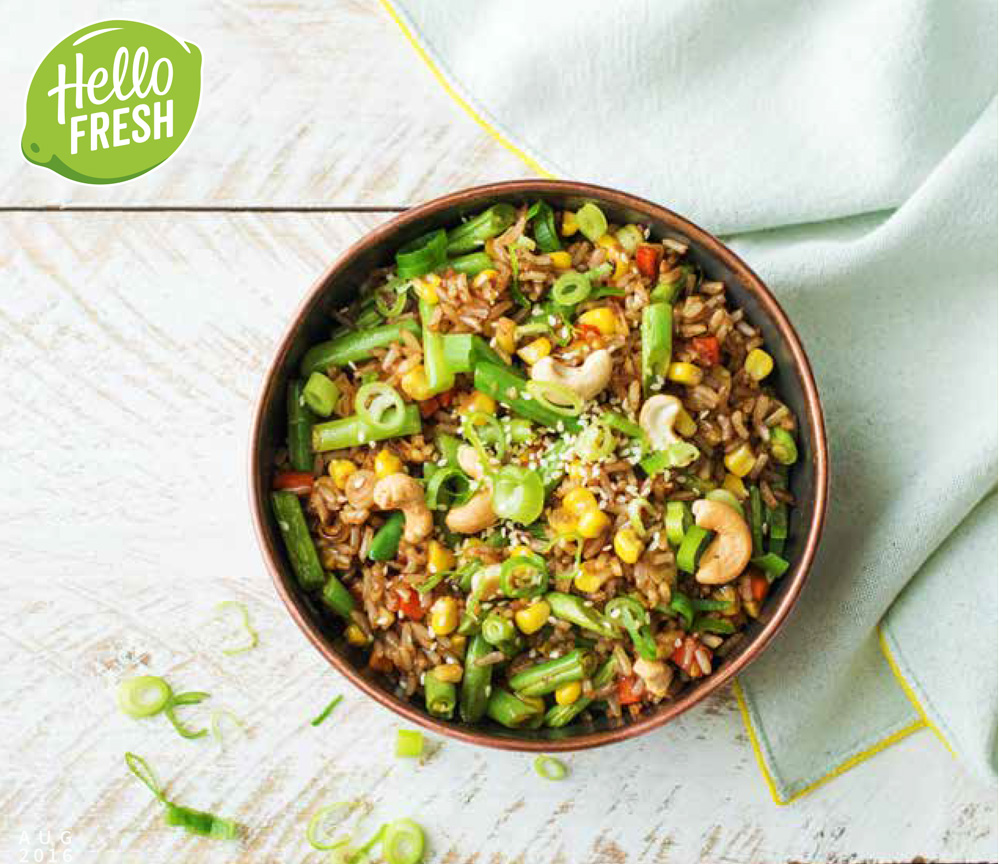
Toasted Brown Rice Bowl

With Cashews, Sesame, and Green Beans

By Hello Fresh  

Photo courtesy: Hello Fresh

Photo courtesy: Hello Fresh

After-dinner grazers and midnight snackers, take note: this energy bowl is loaded with protein, which means your stomach definitely won’t be grumbling tonight. Plus, it’s got all the Asian-fusion flavors we love: soy, ginger, and garlic.

Cooking time: 30 min.

Servings: 2

Nutrition: Calories: 551 cal, Fat: 18g, Sat. Fat: 3 g, Protein: 14g, Carbs: 88 g, Sugar: 12 g, Sodium: 656 mg, Fiber: 10 g

Ingredients:

  • Brown Rice- ¾ cup
  • Carrot- 1
  • Corn on the Cob- 1
  • Green Beans- 6 oz.
  • Scallions- 2
  • Cashews- 1 oz.
  • Ginger- 1 Thumb
  • Garlic- 2 Cloves
  • Sesame Seeds- 1T
  • Soy Sauce- 2 T
  • Oil- 3t
  • Eggs (optional)- 2

Preparation:

  1. Cook the rice: Preheat the oven to 400 degrees. Bring a large pot of salted water to a boil. Add the rice to the boiling water. Cook 20-25 minutes, until tender. Drain.
  2. Toast the cashews: Place the cashews on a baking sheet. Place in the oven to toast 3-5 minutes, until fragrant. Keep an eye on these so they don’t burn! Remove from sheet and set aside.
  3. Prep the remaining ingredients: Wash and dry all produce. Peel and finely dice the carrot. Trim and cut the green beans into 1-inch pieces. Thinly slice the scallions, keeping the greens and whites separate. Shuck the corn, then cut the kernels off the cob. Mince or grate the garlic. Peel and finely mince or grate the ginger.
  4. Cook the veggies: Heat a drizzle of oil in a large nonstick pan over medium-high heat before adding the carrot. Cook, tossing, for about 5 minutes, until slightly softened. Season with salt and pepper. Add the green beans and corn. Cook, tossing, for 3-5 minutes, until the green beans are crisp-tender. Remove from pan and set aside.
  5. Toast the rice: Heat a large drizzle of oil in the same pan over medium-high heat. Add the garlic and ginger. Cook 1 minute, until fragrant. Add the rice to the pan. Cook, tossing, for 1-2 minutes, until slightly crispy and golden brown. Add the veggies, soy sauce, and scallion whites to the pan. Cook, tossing, for 1-2 minutes. HINT: This would be a great time to fry up a sunny-side-up egg to serve over each rice bowl!
  6. Finish: Divide the brown rice between bowls. Sprinkle with toasted cashews, sesame seeds, and scallion greens. Enjoy!

History 101

Land Rovers Used In Famous Great Train Robbery

By History.com   history-pic-WEB

On August 1 in 1963, the 15 thieves involved in the Great Train Robbery, one of the most famous heists of all time, escape in an ex-British Army truck and two stolen Land Rover four-wheel drive all-terrain vehicles, making off with some $7 million in stolen loot.

The mastermind of the Great Train Robbery was Bruce Reynolds, a known burglar and armed robber. Inspired by the railroad heists of the Wild West in America, Reynolds and 14 other men wearing ski masks and helmets held up the Royal Mail train heading between Glasgow, Scotland, and London, England. They used a false red signal to get the train to stop, then hit the driver with an iron bar, seriously injuring him, in order to gain control of the train. The thieves loaded 120 mailbags filled with the equivalent of $7 million in used bank notes into their Land Rovers and sped off. The vehicles had been stolen in central London and marked with identical license plates in order to confuse the police.

In their hideout at Leatherslade Farm in Buckinghamshire, England, the robbers divided their loot. Viewed as folk heroes by the public for the audacious scale of their crime and their flight from justice, 12 of the 15 robbers nevertheless were eventually captured. In all, the gang of thieves received a total sentence of some 300 years. One of them, a small-time hood named Ronnie Biggs, escaped from prison after just 15 months and underwent plastic surgery to change his appearance. He fled the country and eluded capture for years, finally giving himself up in 2001 when he returned from Brazil voluntarily to serve the 28 years remaining in his sentence.

The two Land Rovers used in the robbery were discovered at the thieves’ hideout; a car enthusiast still owns one of them today. Produced by the British-based Rover Company, the Land Rover made its debut at the Amsterdam Motor Show in 1948. It was modeled after the four-wheel drive American-made Jeeps used by the British War Department during World War II and was made of cheaper, readily available aluminum alloy due to the postwar shortage of steel. By 1960, Land Rover production had reached 500,000 vehicles per year, and the all-terrain vehicle had become popular in all types of climates–desert, jungle and city–around the world. Rover later introduced an upscale version called the Range Rover, which become another bestseller for the company. The German automaker BMW purchased Rover in 1994, but split the brand six years later, selling the Land Rover name to Ford Motor Company. In 2008, Ford sold Land Rover, along with Jaguar, to Tata Motors Ltd., Ind

Making Friends At The Gym

mark-hopper-color-2x2By Pastor Mark Hopper


A new gym opened near our house a couple of years ago.  It is close enough to where we live that we could walk to it.

However, we don’t want to wear ourselves out before we get to the gym, so we usually drive there!

One of the things that you notice at the gym is the diversity of people.  There are both men and women, younger and older.  Everyone is welcome.

I know that most of us go to the gym to get some exercise, work up a sweat and improve our health.  They offer a variety of equipment and they even have personal trainers available to help you if you need it.

But, I have noticed that there is more going on than just exercise.  I notice that people greet one another when they arrive.  I noticed that people talk with one another as they exercise.

Of course, this is not true of everyone.  Some people do keep to themselves.  They wear head phones or ear buds, and they listen to music or do other things on their electronic devices.

The people with big muscles seem to take these work outs pretty seriously and they may not want to be distracted by casual conversation.

But, I have noticed that most people go out of their way to say hello to others.  They seem genuinely glad to see people and talk with others as they exercise.

Although some people come with a friend, it appears that many people have made new friends at the gym.  Recently, I met someone who had lived in my neighborhood for over 20 years.  We had never met until we went to the gym!

I suppose the social aspect of the gym is probably just as important as the physical.  As we improve our physical health, we are also improving our personal and social health, too.

I believe that God did not intend for us to live life in isolation.  He created us to be social creatures that need others to help us grow and enjoy life.

There is a phrase that is found many times in the New Testament.  It is the term “one another”.  We are told to love one another, encourage one another and serve one another. We are also told to forgive one another and carry one another’s burdens.

When we go to the gym, we not only help improve our physical health, but we may be improving the health of others.  When we speak to others and listen to others, we may be improving their health, too.

Let me encourage you to join a gym near you and find some new friends.  You will be glad you did and they will too!

Pastor Mark Hopper is from the Evangelical Free Church of Diamond Bar, 3255 South Diamond Bar Blvd.  Sunday services are 9 a.m. and 10:45 a.m.  For more information, call (909) 594-7604 or visit Efreedb.org.

Monster-In-Laws

By Sarah Sanchez

There’s a movie called Monster-In-Law that came out in 2005, starring Jennifer Lopez and Michael Vartan. The two actors play a couple that fall in love and are engaged to be married. But Michael’s mother, played by Jane Fonda, makes it a mission to tear the couple apart. She’s defined as the “Monster-In-Law”, as she goes to extreme measures to make sure her little boy doesn’t get married.

The movie was such a hit because many couples have been in similar situations with their in-laws; many probably consider them to be their “Monster-In-Laws”. In-laws have such a bad rep that new brides will often complain about her husband’s family. Maybe there is a mother-in-law that is too involved or too controlling, or a sister that disapproves of the bride. Then, a division will be created because the groom suddenly has to pick sides between his bride and his family. Or maybe it’s vice versa and the problem is with the bride’s family. The situations usually have one similarity: there’s a problem with the in-laws.

But I don’t believe this has to be the norm. The problem that couples don’t realize is that when two people get married, two worlds are colliding into one. There are two different families who were raised differently, act differently, and have different views than what the other is used to. It’s not bad, it’s just different; but we often think it’s wrong.

It’s easy to talk badly about the in-laws or cut them off completely after a disagreement. But as I wrote in a previous article called Ten Things They Don’t Tell You About Marriage, #4 states that When You Say ‘I Do’, You Marry The Family Too. The in-laws are not going anywhere. When you decide to get married, you marry your spouse and his/her family. They are now your family too.

That might be a scary thought for some of you and maybe even a deal breaker. But it doesn’t have to be. The way I see it is that we should be thankful to have our in-laws because it just means we have more people to love! Many people in this world don’t even have a family due to loss or unfortunate situations. But here we are with four potential avenues of family: our mom’s family, dad’s family, spouse’s mom’s family, and spouse’s dad’s family. That’s four sets of people that we have the opportunity to love, to get to know, and hopefully receive love from. We should put our differences aside and take advantage of these people placed in our lives.

Family is everything to me and I’m thankful to have so much family, both relatives and in-laws.

The day I married my husband was the day I gained a spouse, but it was also the day my husband’s cousins became my cousins, his aunts became my aunts, and his uncles became my uncles too. And when we have kids one day, my kids won’t know them as my in-laws or even Monster-In-Laws. They will know them as their aunts, uncles, cousins, and grandparents. They will know them all as our family.

Ask Clark’s

“What can I do to age well?” – a letter from Jim of Corona

By Clark’s Nutrition   "ask clarks" header

It is best said by Reebok “a body in motion stays in motion”.   Activation of muscle is the most important feature for keeping healthy and abundant muscle tissue on the body. Why is muscle tissue so important? Muscle tissue has some interesting features including providing protein reservoir (amino acids) for synthesis of vital tissue including organs like your liver, heart and kidneys. Furthermore, altered muscle metabolism plays a key role in the genesis and prevention of many common chronic diseases. Disease prevention includes but is not limited to; a reduction in mortality, heart disease-stroke, high blood pressure, diabetes II, bone density loss (osteoporosis), some cancers (breast, colon) and dementia (Alzheimer’s).

As we age, our bodies experience a progressive loss of skeletal muscle and a decrease in physical function, with an inherent risk of disability and a poor quality of life. The age related loss of muscle mass and strength is called sarcopenia. Regular physical activity is one of the main non-pharmaceutical interventions for older people that are needed to help maintain muscle mass, strength, metabolic function and disease prevention. We must also remember that dietary considerations are a must to feed the muscles and for prevention of sarcopenia. Recently, dietary considerations have become a focus for researchers that are studying the preservation of muscle mass loss. A recent study, with 130 individuals with the average age of 80.3, was subjected to dietary supplementations with age appropriate training. Dietary interventions included additional protein (whey) 22 grams, 10 grams of essential amino acids (including 4 grams of Leucine), and 100 i.u. vitamin D. The end result showed 68% of individuals using dietary supplements become non-sarcopenic, while 100% of the placebo group had no reversal of sarcopenia and remained sarcopenic throughout the entire training program. Test results suggested adequate protein (supplied by the diet: having 100% of the RDA for protein) is not sufficient. While it is noted that additional studies have shown whey protein to be beneficial in growth and maintenance of muscle, some studies were inconclusive about whey and sarcopenia. These additional studies combined the use of whey, essential amino acids and vitamin D to augment whey on its own, proving additional amino acids with Leucine is sufficient to elicit growth. The addition of vitamin D stimulates gene expression (cellular growth) as well. Also increases in GH (growth hormone) and IGF-1 (insulin growth factor one) were seen in the supplementation with reduction in C – reactive protein and inflammation from the addition of vitamin D, which additionally provided growth potential.

The use of supplementation and working out has been a staple in the area of athletic performance, now it is time for the elderly to benefit.

Have a health related question?

Send us your question, your first and last name, and the city you live in to: askclarks@clarksnutrition.com

Due to the number of responses, we will only be able to answer published questions.

References:

  1. Health benefits of physical activity in older patients: a review T Vogel, PH Brechat, PM Leprêtre… – … journal of clinical …, 2009
  2. The underappreciated role of muscle in health and disease1,2,3 Robert R Wolfe  2006 American Society for Clinical Nutrition  http://ajcn.nutrition.org/content/84/3/475.short
  3. Mariangela Rondanelli,  Catherine Klersy, Gilles Terracol, Jacopo Talluri,Roberto Maugeri, Davide Guido, Milena A Faliva, Bruno S Solerte,Marisa Fioravanti, Henry Lukaski, and Simone Perna Whey protein, amino acids, and vitamin D supplementation with physical activity increases fat-free mass and strength, functionality, and quality of life and decreases inflammation in sarcopenic elderly Am J Clin Nutr 2016 103: 830-840;First published online February 10, 2016.doi:10.3945/ajcn.115.113357http://ajcn.nutrition.org/content/103/3/830.abstract
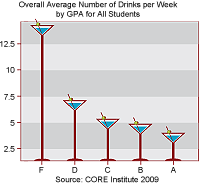
  4. http://www.echeckuptogo.com/images/alcohol_gpa_graph.gif
  5. [Health benefits and demerits of calcium nutrition or supplementation in older people].Shiraki M.Nihon Rinsho. 2015 Oct;73(10):1770-6. Japanes http://www.ncbi.nlm.nih.gov/pubmed/26536675
  6. [Effects of calcium and vitamin D supplementations on cardiovascular disease: review article].Guessous I, Bochud M.Rev Med Suisse. 2012 Jul 11;8(348):1458-63. Review. French.PMID:22934474http://www.ncbi.nlm.nih.gov/pubmed/22934474
  7. Higdon, Ph.D., An Evidence-Based Approach to Vitamins and Minerals Thieme New York, NY. Pg 97-107.


Back-To-School Checklist For Families With Asthma

By StatePoint  

Photo courtesy: StatePoint

Photo courtesy: StatePoint

For the more than six million children living with asthma nationwide, gearing up for another school year involves much more than picking out a new pencil case and backpack. Asthma is the third leading cause of hospitalization among children in the U.S. under the age of 15 and one of the main reasons that students miss school due to illness, with more than 10 million lost school days every year.

With better asthma management, children are able to feel healthy and safe, and are ready to learn. For a full toolkit and free resources, visit Lung.org/asthma-in-schools.

To get ready for a successful school year, the American Lung Association also recommends this back-to-school checklist for families with asthma:

  1. Schedule a check-up with your child’s physician.

Use your yearly check-up to create or revise your Asthma Action Plan, check the effectiveness of asthma medication and dosage, and get prescriptions for back-up medications for your school nurse, coaches, after-school programs and other individuals helping with your child’s care.

  1. Assess your child’s readiness to self-carry medication.

All 50 states have laws that allow children to self-carry and use their asthma inhalers at school. Use the American Lung Association’s Self-Carry Assessment Tool to see if your child is ready to carry and self-administer his or her asthma medication, which can save precious time, as well as ease concern if your child has an asthma episode at school.

  1. Set up an appointment with your school nurse.

Remember to bring in your updated Asthma Action Plan and back-up medications. Take this time to sign all required medical forms and talk about whether your child can self-carry his or her own quick-relief inhaler, and how to manage any asthma emergencies that may happen during the school year.

  1. Talk to your classroom teacher.

Take a moment to talk to your child’s teacher about his or her asthma, what triggers might bring on an attack and what to do in an emergency — whether that is to head directly to the school nurse or use a quick-relief inhaler.

  1. Introduce yourself to the PE teacher and any coaches.

Kids with asthma shouldn’t have to miss out on playing outside or participating in gym class! You can quickly put minds at ease by talking about exercise-induced asthma, ways to manage symptoms and what to do in an emergency.

  1. Have fun!

There’s a lot to do at the start of the school year, but it can also be exciting to see old school friends and prep for a whole new year. Make sure to take a deep breath an

Straight Talk With Danice

No intimacy after lumpectomy – A letter from Claire


Danice Akiyoshi

Danice Akiyoshi

By Danice Akiyoshi

Q: I have noticed that my husband doesn’t approach me romantically since I had a lumpectomy in my breast.  I have been fully healed for three months and my doctor said everything was fine.  I am too embarrassed to ask him why because we are both kind of shy.


A: This is a fairly common question.  Since you’ve admitted that you are shy and not able to have sensitive conversations very easily, I’m wondering if your husband is worried about hurting you in some way.  I hear this quite often from men whose wives are recovering from medical issues.  If you do not have any other problems, try buying him a card that tells him how much you missed him while you were healing.  Tell him you would like a date with him and extend the invitation to take him out for a special evening.  Try your best to gently get the ball rolling to encourage romance.  If my thoughts are correct, this should be enough to put his mind at ease.


Getting Ready To Start School

Licensed Marriage Family Therapist

Nancy Stoops M.A., M.F.T Licensed Marriage and Family Therapist

By Nancy Stoops

In just a few weeks, our care free summers will end and school will begin. The lazy late nights will be replaced by endless hours of homework and studying. Very soon, sleeping late during the week will come to an end and we will be setting the goal of rising early and on time. But, don’t wait until the evening before to change behavioral patterns.  Start right now on adjusting sleeping schedules and give your child or teen an advantage.  It’s really hard to make that sleeping change all at once and in one evening.

Getting organized correctly can be such a help for creating an organized student.  A good notebook with tab dividers and a separate folder for each subject within the dividers can be very helpful.  A pouch with the necessary writing implements, such as a hole puncher, stapler, etc., is also very necessary.  I think some type of planner or organizer to write assignments down can really help as well.

You should also help your child or teen figure out why they didn’t meet the academic goals they had for last year.  Teach them to set daily, weekly, semester and annual goals that are realistic and obtainable.  It’s important to understand that many times just doing class and homework isn’t enough and that studying is an important part of academic success.  I work with many young people in my practice and they seem to have a hard time asking their teachers for help because they don’t want to appear stupid in front of their peers.  Help your student find ways to get the help they need and in a way that they are okay with.  Remind then to tell you right away before they are failing and can’t raise that grade.  I wish you success this year!


Hoisin-Glazed Meatballs

with Roasted Sweet Potato and Broccolini

By Hello Fresh   

Photo courtesy: Hello Fresh

Photo courtesy: Hello Fresh

We’re big fans of baking, rather than frying, our meatballs for a healthier alternative to this dinnertime staple. But don’t worry, the dish is still jam-packed with flavor thanks to a sweet hoisin glaze, roasted sweet potatoes, and crispy veggies. One bite and you’ll be hooked.

Cooking Time: 30 min.

Servings: 2

Nutrition: Calories: 580 cal, Fat: 22g, Sat. Fat: 7 g, Protein: 35g, Carbs: 64 g, Sugar: 19 g, Sodium: 451 mg, Fiber: 10 g

Ingredients:

  • Ground Beef- 10 oz.
  • Sweet Potatoes- 1
  • Broccolini- 6 oz.
  • Panko Breadcrumbs- ¼ cup
  • Ginger- 1 Thumb
  • Scallions- 2
  • Hoisin Sauce- 2T
  • Lime- 1
  • Sugar- 1t
  • Oil- 1T

Preparation:

  1. Prep: Wash and dry all produce. Preheat the oven to 450 degrees. Halve the sweet potato lengthwise, then thinly slice into ¼-inch half moons. Peel and mince the ginger. Thinly slice the scallions, then chop until finely minced.
  2. Roast the sweet potatoes: Toss the sweet potatoes on a baking sheet with a drizzle of oil and a pinch of salt and pepper. Place in the oven for about 20 minutes, flipping once, until golden brown.
  3. Make the meatballs: In a medium bowl, combine the ginger, scallions, beef, panko, and 1 teaspoon sugar. Season with salt (we used ¾ teaspoon kosher salt) and pepper. Form into 1-inch meatballs, and place onto one side of a lightly oiled baking sheet.
  4. Roast the broccolini: Place the broccolini on the opposite side of the baking sheet with the meatballs. Toss with a drizzle of oil and a pinch of salt and pepper. Place in the oven for 15 minutes, until tender and slightly crispy.
  5. Glaze the meatballs: After 15 minutes, glaze each meatball with a little hoisin sauce. Remove the broccolini from the baking sheet, then return to the oven for about 5 minutes.
  6. Finish and serve: Cut the lime into wedges. Serve the meatballs with the broccolini and sweet potatoes on the side. Squeeze over a lime wedge and enjoy!

History 101

Texans Head For The Thrills At Six Flags

History-101-WEB

By History.com  

On August 1 in 1961, amusement park lovers “head for the thrills” as Six Flags Over Texas, the first park in the Six Flags chain, opens. Located on 212 acres in Arlington, Texas, the park was the first to feature log flume and mine train rides and later, the first 360-degree looping roller coaster, modern parachute drop and man-made river rapids ride. The park also pioneered the concept of all-inclusive admission price; until then, separate entrance fees and individual ride tickets were the standard. During its opening year, a day at Six Flags cost $2.75 for an adult and $2.25 for a child. A hamburger was sold for 50 cents and a soda set the buyer back a dime.

The park, which took a year and $10 million to build, was the brainchild of Texas real estate developer and oilman Angus Wynne Jr., who viewed it as a short-term way to make a buck from some vacant land before turning it into an industrial complex. Wynne reportedly recouped his personal investment of $3.5 million within 18 months and changed his mind about the park’s temporary status. With 17.5 million visitors in its first 10 years, the park became the Lone Star State’s top for-profit tourist attraction. Today, average annual attendance at the park is over 3 million.

One of Six Flags’ unique aspects was that it wasn’t just a random collection of rides; it was developed around a theme: the history of Texas. The park’s name was a nod to the six flags that had flown over the state at various times–France, Spain, Mexico, the Confederacy, Texas and the United States. The park’s rides and attractions were grouped into six themed sections that represented the cultures of these governments and enabled visitors to experience everything from cowboy culture to Southern belles and pirates. Originally, the park was to be called Texas Under Six Flags, before it was decided that Texas should never be under anything.

Angus Wynne sold Six Flags in 1969 and in the coming years, the company expanded and was resold. Today, Six Flags, Inc. is the world’s largest regional theme park company and owns and operates 30 theme, water and zoological parks in North America. In 2005, almost 34 million people spent a combined 250 million hours at Six Flags parks.

The Carpenter

By Michael Armijo

I received an email a while back that has always resonated with me.  I find myself thinking about it from time to time, as the words it contained often remind me to work hard and be proud of what I’ve accomplished.  It has encouraged me to continue to keep my heart within my work, as you never know what life will bring you. It is good advice, no matter who you are or what you do, and I share it with you now.

The Carpenter:  An elderly carpenter was ready to retire. He told his employer of his plans to leave the house-building business and live a more leisurely life with his wife and extended family.  He would miss the paycheck, but he needed to retire. They could get by.

The employer, who was sorry to see his good worker go, asked if he would build just one more house as a personal favor. The carpenter said yes, but in time it was easy to see that his heart was not in his work. He resorted to shoddy workmanship and used inferior materials. It was an unfortunate way to end a dedicated career.

When the carpenter finished his work the employer came to inspect the house. He handed the front-door key to the carpenter. “This is your house,” he said, “my gift to you for all of your hard work and dedication.”

The carpenter was shocked; what a shame! If he had only known he was building his own house, he would have done it all so differently.

So it is with us. We build our lives, a day at a time, often putting less than our best into the building. Then with a shock we realize we have to live in the house we’ve built. If we could do it over, we’d do it much differently. But we cannot go back.

You are the carpenter. Each day you hammer a nail, place a board, or erect a wall. “Life is a do-it-yourself project,” someone once said. Your attitudes and the choices you make today, build the “house” you live in tomorrow. Build wisely, and remember:  Work like you don’t need the money. Love like you’ve never been hurt. Dance like no one is watching. Enjoy life like it’s your last day on Earth.


Bring The Family Together For Meal Time

By StatePoint  

Photo courtesy: StatePoint

Photo courtesy: StatePoint

Between work and school-year commitments, it can be difficult to carve out time to sit down at the table and enjoy a home-cooked dinner as a family, but it is well worth the effort. In addition to offering an opportunity to bond, eating together and engaging in conversation can have a deeper influence on children. Follow these tips to bring the family together and create a lasting tradition.

Mark the Calendar

Create a monthly calendar that incorporates a few meals a week in which everyone can be present when there are no sports, activities or after-work functions. Research shows that children benefit when the family eats together at least three times a week. In fact, reported improvements range from healthy eating habits to improved literacy and verbal skills, according to the Family Dinner Project. If three dinners is a stretch for your busy family, consider morning brunches or evening desserts.

Create a Family-Friendly Menu

Integrate family favorites to create excitement around supper, such as a weekly pizza night. Make homemade crust as a team and craft personal pies incorporating fresh toppings, such as bell peppers, onions, spinach, zucchini and tomatoes. To further maximize time, create dishes on a weekend to freeze and thaw when ready. Try a simple tortilla soup that can be prepared in minutes using a high-performance blender, such as a Vitamix.

Have Hands-on Meal Prep

Incorporate the kids into every step of meal prep in a safe and easy way. Drop vegetables into the blender to chop for pizza or salad toppings, tortilla soup or even a Taco Tuesday fiesta. Then, allow kids to add these veggies to the recipe. Engage your children further by having them set timers and watch for meals to cook. As a final step, allow them to add spices and fresh herbs before setting dinner on the table. Fast and tasty family recipe ideas that you can create together can be found at Vitamix.com.

Turn Off Electronics

Make the table an electronic-free zone. Turn off cell phones and television shows to make room for face-to-face communication. Removing cell phones from the equation can positively influence the quality of conversation, while helping kids to gain a better understanding of social cues, facial expressions and changes in tone that lead to more fruitful interactions, according to a study by researchers at Virginia Tech. Unplugged conversations can help create memorable family moments.

Think of the kitchen and the dinner table as family gathering places to help instill good habits — from great communication skills to healthier eating. If you look at meals as more than just food, your family will reap the benefits.

Straight Talk With Danice

Our house needs repairs – a letter from Bebe

Danice Akiyoshi

Danice Akiyoshi

By Danice Akiyoshi

Q: My husband has been ignoring me for years about updating our house.   This is just not a high priority for him even though I offered to save for all the various things by working extra hours so it wouldn’t hurt our budget.  We used to entertain, but over the years things started breaking, paint and carpet looks old, one  toilet doesn’t flush right, landscape dies, sliding glass door doesn’t slide.  I started to feel embarrassed about the appearance and condition of our home so I said no more entertaining until we addressed the issues.  The house has gone downhill for years and I have lived with it and accepted the fact that this is the way it is.  I stopped asking for improvements, but I won’t volunteer for hosting holidays or parties.  He’s always acted like he didn’t care and I don’t want to fight. Now he wants his football buddy to visit us from another state.  I came home from work to find my husband changing all the doorknobs in the house so they would match and there’s a guy outside jack hammering our damaged concrete.  When I complained that this was not exactly what I had in mind, he said there is no making me happy and that I’m too picky and he stomped off.

This is not fair.  I haven’t said a word to him about home repairs for years. Please give me your opinion.  I hate fighting but I don’t want to give in on having a visitor.


A: It sounds to me like your husband fully ignored your requests until he needed you to change your stance on house guests and entertaining in your home.  This gets a solid “F” from me.  The fact that you have become embarrassed about your home to the degree that you have stopped all entertaining and hosting of holiday events tells me that you have all but given up. I don’t think your husband realizes how much this hurts you to not be able to have pride in your home.  I don’t speak for everyone, and certainly there are many men who take great pride in the appearance and condition of their homes, but it’s hard for most people, especially women, to feel embarrassed about their dwelling and to feel continually helpless and hopeless to bring it up to par because the goals and desires of the joint householders are in conflict.

Tell me, Bebe, in what other areas has your marital happiness become as diminished as your home?  I’m willing to bet that you don’t have stars in your eyes for your husband anymore.  I’m willing to bet that you have made a habit of not looking at much of anything in an effort to block out your frustration and disappointment about the condition of your home.  It’s troubling to me that your husband is more concerned about enjoying a visit with his football buddy then he is about your overall basic happiness.  You have far bigger problems than home repairs and houseguests.   You and your husband are not playing on the same team.  Your marriage lacks communication, respect, and cooperation. I’m positive that this will eventually affect your romantic happiness.  It’s time to sit down and really address this problem with your husband before you wake up one day and find yourself giving up on him like you’ve done with your house.  Believe me Bebe, this is a common outcome when couples ignore serious problems.

You have the perfect opportunity right now to get this important conversation started.  Seek guidance if you need to, but don’t miss this opportunity.

Attitude Is Everything

Licensed Marriage Family Therapist

Nancy Stoops M.A., M.F.T Licensed Marriage and Family Therapist

By Nancy Stoops

Do you see a half filled glass as half empty or as half full?  Do you tend to see what’s wrong with your life or do you focus on what is right with your life?  Would you consider yourself a negative person or a positive person?  Do you wake up every day being happy do be alive and hopeful about a new day or do you dread getting up?

The way that you have answered the above questions is probably also the way that you live your life and the way you view your life.  I believe having a positive attitude is foundational in being a successful human being.  Being positive is essential to everything good that comes with this life.  I think it all starts by being positive about who you are and about behaving in a manner that makes you proud of whom you are.  Generally, if you like who you are and are a good person, people will like you as well.  Also, if you like who you are, you will want only the best for yourself.  This will cause you to go to college, get a good job, find a good mate and believe that you can make your dreams comes true.

On the other hand, being negative only prevents you from following your dreams.  Being negative also causes a lot of self doubt and really gets in the way of accomplishments.  Learn to look at the good in your life and at what you have done right so far.  Learn from your mistakes but don’t focus on them, otherwise your life will feel like one big mistake.  Look at all that you already have going right for you and learn to build on the positive. If you do, more positive will come to you!

This article was written by Nancy Stoops M.A., M.F.T.  Nancy is a licensed Marriage and Family Therapist.  She has a private practice in Diamond Bar and is currently accepting new clients. She is also a motivational speaker who can inspire your employees or group members.  Nancy runs free family support groups, a group on loss for seniors, and groups on how to manage anger.    For more information about any of these services, feel free to contact her at (909)229-0727.  You may also e-mail Nancy at nancyjstoops@verizon.net. You may purchase Nancy’s books Live Heal and Grow, and Midnight the Therapy Dog at Amazon.com.


History 101

Puerto Rico Invaded

By History.com  History-WEB

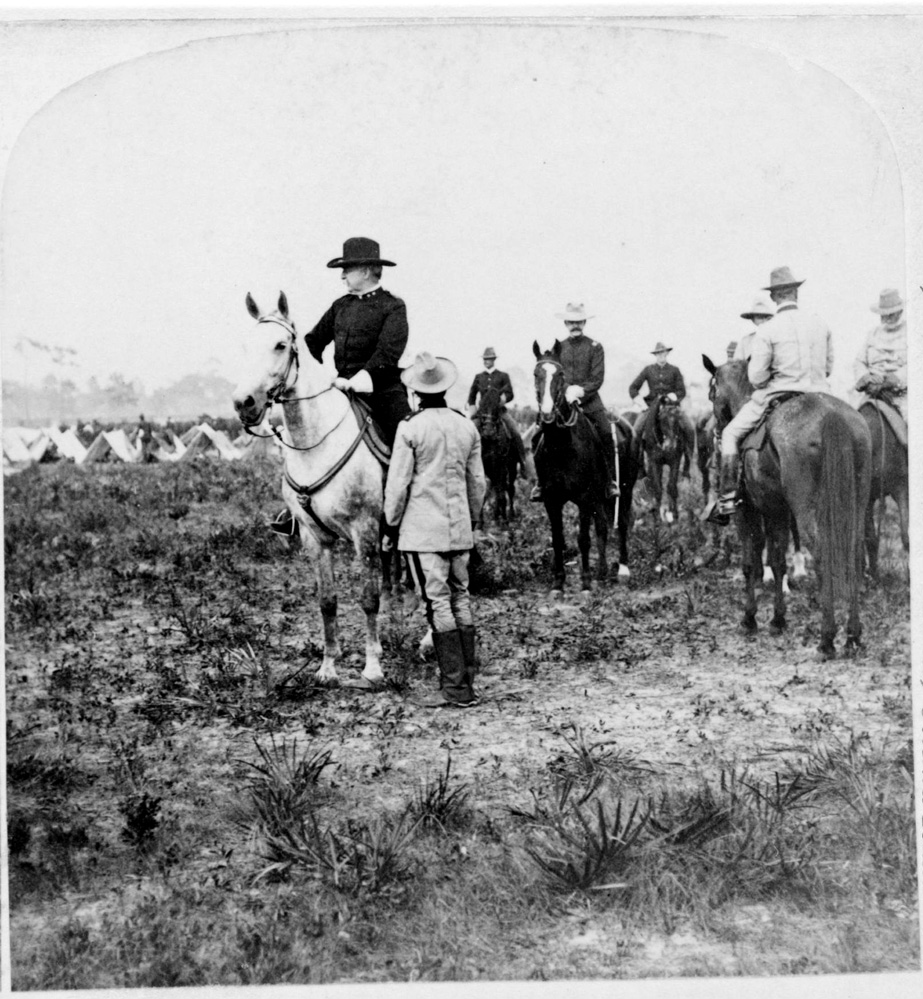
During the Spanish-American War, U.S. forces launch their invasion of Puerto Rico, the 108-mile-long, 40-mile-wide Island that was one of Spain’s two principal possessions in the Caribbean. With little resistance and only seven deaths, U.S. troops under General Nelson A. Miles were able to secure the island by mid-August. After the signing of an armistice with Spain, American troops raised the U.S. flag over the island, formalizing U.S. authority over its one million inhabitants. In December, the Treaty of Paris was signed, ending the Spanish-American War and officially approving the cession of Puerto Rico to the United States.

In the first three decades of its rule, the U.S. government made efforts to Americanize its new possession, including granting full U.S. citizenship to Puerto Ricans in 1917 and considering a measure that would make English the island’s official language. However, during the 1930s, a nationalist movement led by the Popular Democratic Party won wide support across the island, and further U.S. assimilation was successfully opposed. Beginning in 1948, Puerto Ricans could elect their own governor, and in 1952 the U.S. Congress approved a new Puerto Rican constitution that made the island an autonomous U.S. commonwealth, with its citizens retaining American citizenship. The constitution was formally adopted by Puerto Rico on July 25, 1952, the 54th anniversary of the U.S. invasion.

Movements for Puerto Rican statehood, along with lesser movements for Puerto Rican independence, have won supporters on the island, but popular referendums in 1967 and 1993 demonstrated that the majority of Puerto Ricans still supported their special status as a U.S. commonwealth.


Jamie’s Salsa Spaghetti

With Black Olives & Fresh Basil

By Hello Fresh with Jamie Oliver  

Photo courtesy: Hello Fresh

Photo courtesy: Hello Fresh

There are some beautiful Mediterranean vibes going on in this dish – juicy ripe tomatoes, fresh fragrant basil and delicious olives, all tossed and tangled up in al dente spaghetti. The flavor combo here is mega-simple, but when you put them together, something magical happens. Let the tomatoes ripen naturally out of the refrigerator – the warmth will ensure all those lovely flavors and juices are at their best and ready to flow. Tomatoes are source of vitamin C, a nutrient our bodies need for so many different things, including immune function and keeping our energy levels up.

Cooking time: 15 min.

Servings:  2

Nutrition: Calories: 466 cal, Fat: 15g, Sat Fat: 3g, Protein: 16g, Carbs: 70g, Sugar: 7g, Salt: 164 mg, Fiber: 4g

Ingredients:

  • 6 ounces dried spaghetti
  • 10 ounces ripe tomatoes
  • 6 black olives
  • ¼ of a bunch of fresh basil
  • ½ a clove of garlic
  • 4 teaspoons extra virgin olive oil
  • 1 tablespoon red wine vinegar
  • ½ ounce Parmesan cheese

Preparation:

  1. Cook the spaghetti in a pot of boiling salted water until al dente, which means that it should be soft enough to eat, but still have a bit of bite and firmness to it.
  2. On a large cutting board, chop the tomatoes. Add the olives to the pile of tomatoes.
  3. Pick the basil leaves, reserving the smaller ones for later and throw the rest onto the pile.
  4. Chop and add ½ a clove of garlic to the pile, then run your knife back and forth through all of the ingredients, chopping and mixing as you go, until you get a rough-looking salsa.
  5. Add 4 teaspoons of extra virgin olive oil, 1 tablespoon of red wine vinegar and a pinch of sea salt and black pepper, and keep chopping and mixing until well combined.
  6. Scoop out and reserve a cupful of the pasta cooking water, then drain the spaghetti in a colander.
  7. Put the spaghetti in a large bowl, scrape in the salsa dressing, adding a splash of the reserved cooking water, if needed, to make a lovely loose sauce.
  8. Sprinkle over the reserved baby basil leaves and add half of the Parmesan before serving.